
Soups & Stews
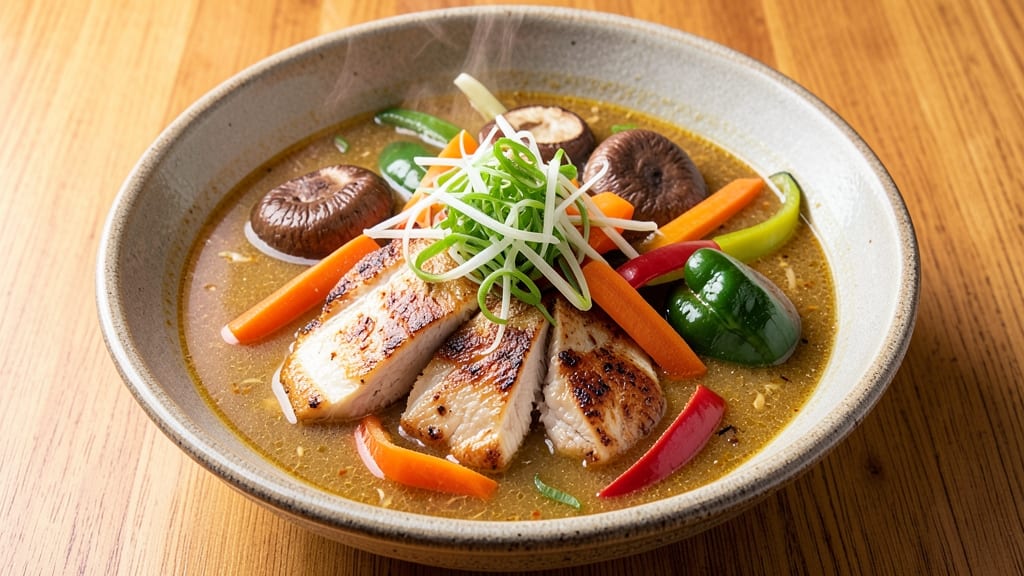
This Benihana hibachi soup recipe brings the excitement of a Japanese steakhouse right to your kitchen—sizzling veggies, aromatic broth, and tender protein all in one bowl. 🔥 The secret lies in high-heat wok cooking, where vegetables caramelize and release their natural sweetness, creating a symphony of textures and flavors that rivals restaurant-quality hibachi dishes.
What sets this recipe apart is the technique: quick stir-frying in a hot wok or skillet mimics the dramatic presentation of hibachi chefs, while the broth—whether chicken or vegetable-based—infuses every ingredient with deep, savory richness.
You’ll achieve that signature hibachi experience without the need for specialized equipment, just a few simple tools and a little practice.
The result is a bowl of soup that’s visually stunning and packed with flavor—crisp-tender vegetables, perfectly cooked noodles, and protein that’s infused with the aroma of wok-fired ingredients.
The sizzle alone will draw your family to the table, while the first bite delivers a burst of umami and freshness that’s impossible to resist.
Serve it family-style for maximum enjoyment, or plate it individually with a sprinkle of sesame seeds and a drizzle of chili oil for that authentic hibachi touch. This recipe proves you don’t need a hibachi grill to create a show-stopping meal—just the right technique and a little confidence.
Ingredients for benihana hibachi soup
High-heat wok cooking meets aromatic Japanese flavors in this vibrant hibachi-inspired bowl.
| Ingredient | Amount | Notes |
|---|---|---|
| Chicken Breast 🍗 | 1 ½ lb | Boneless, skinless, cut into strips |
| Medium Carrots 🥕 | 4 whole | Julienned for even cooking |
| Fresh Ginger Root 🌿 | 1 inch | Peeled, sliced thinly |
| Green Onions 🧅 | ½ lb | White and green parts separated |
| Bell Peppers 🌶️ | 3 whole | Assorted colors, sliced into strips |
| Shiitake Mushrooms 🍄 | 8 oz | Stems removed, sliced |
| Snap Peas 🌱 | 1 cup | Trimmed, whole |
| Ramen Noodles 🍜 | 2 packages | Discard seasoning packets |
| Chicken Broth 💧 | 6 cups | Low-sodium preferred |
| Soy Sauce 🍶 | ¼ cup | Kikkoman preferred |
| Sesame Oil 🫒 | 1 tbsp | Toasted for aroma |
| Garlic Cloves 🧄 | 6 cloves | Minced for depth |
| White Wine 🍷 | ½ cup | Dry preferred |
| Sesame Seeds 🌾 | 1 tbsp | Toasted for garnish |
| Chili Oil 🔥 | 1 tbsp | For finishing touch |
The chicken breast is your protein foundation—look for boneless, skinless cuts at Whole Foods or your local butcher for optimal tenderness. Julienned carrots and sliced shiitake mushrooms are non-negotiable for that signature hibachi texture; Trader Joe's carries pre-sliced mushrooms if you're short on time. Fresh ginger loses potency quickly, so buy it in small amounts or freeze what you won't use within 2 weeks. The bell peppers should be firm and vibrant—red, yellow, and green add both visual appeal and sweetness to the dish.
No chicken broth? Vegetable broth with a splash of soy sauce works equally well. Substitute snap peas with snow peas or edamame for variety. The ramen noodles must be fresh—discard those seasoning packets, they're unnecessary. For extra umami depth, add 1 tbsp of fish sauce (if not vegetarian) or mushroom powder as a substitute. The white wine can be swapped for dry sherry or additional chicken broth if you're avoiding alcohol. Prep all vegetables uniformly—even 1/4-inch strips ensures consistent cooking.
Store prepped vegetables in airtight containers with a damp paper towel for up to 3 days in the fridge. The cooked soup reheats beautifully—simmer on medium heat with 2 tbsp water per serving until bubbling. For maximum freshness, assemble bowls just before serving. The sesame oil and chili oil should be refrigerated after opening and used within 3 months. Freeze the broth base separately for up to 6 months if you're making a large batch.
Why You'll Love This Recipe
- One-Pot Magic: I swear by this—just toss everything into a single pot with the chicken, carrots, and ginger, and let it simmer. No chopping chaos, no extra bowls, and honestly? The steam does half the work while you sip your drink.
- Ginger-Glazed Goodness: That fresh ginger isn’t just for show—it caramelizes into a sweet, spicy edge that makes the whole soup sing. Pair it with the crisp-tender bell peppers and chicken, and you’ve got a flavor combo that’ll have you licking the bowl.
- Lunchbox Hero: Between us, this soup is my secret weapon for meal prep. It reheats beautifully, keeps for days, and I’ll pack it cold in a thermos for work—still tastes fresh hours later. My coworkers think I’m a genius.
- Budget Booster: Chicken breast and veggies stretch for miles here, and the ginger and green onions add depth without costing a fortune. I’ve made this for $8 and fed four people—leftovers? Always. (My freezer’s full of them.)
Step-by-step instructions for Benihana hibachi soup
Master the sizzle with this vibrant wok-fired soup that captures authentic hibachi restaurant flavor.
🔥 Step 1: Prep All Ingredients for Even Cooking
Start by cutting the 1.5 lb chicken breast into ½-inch thick strips—this ensures even cooking and quick searing. Use a sharp knife for clean cuts, and set aside. For the vegetables, julienne the 4 whole medium carrots into thin matchsticks, slice the 8 oz shiitake mushrooms stems removed, and cut the 3 whole bell peppers into ¼-inch strips. Trim the 1 cup snap peas and separate the 0.5 lb green onions into white and green parts.
Peeled and thinly sliced 1-inch fresh ginger root and minced 6 cloves garlic should be ready to go. The 2 packages ramen noodles should be separated into individual servings and set aside. This prep work ensures everything cooks simultaneously in the wok, creating that signature hibachi sizzle. I like to use a cutting board organizer to keep all components separated and ready to toss into the wok.
🍳 Step 2: Sear Chicken and Build Flavor Base
Heat a 14-inch wok or large skillet over high heat until smoking hot. Add 1 tablespoon sesame oil and swirl to coat. Working in batches if needed, add the chicken strips and sear for 2-3 minutes until golden brown and cooked through. Remove and set aside on a plate.
In the same wok, add ½ cup white wine and scrape up any browned bits with a wooden spoon—this creates the flavorful fond that forms the soup's base. Let the wine reduce by half, then add 6 cups chicken broth and bring to a rolling boil. Here's where the magic happens: the wine's acidity cuts through the richness of the chicken, creating a balanced flavor profile.
🥘 Step 3: Wok-Fry Vegetables for Sizzling Texture
Return the chicken to the wok and stir to combine. Add the julienned carrots, sliced shiitake mushrooms, and bell pepper strips, cooking for 3-4 minutes until the vegetables begin to soften but still retain a crisp bite. The high heat and constant stirring create that signature hibachi sizzle while preserving texture.
Add the white parts of green onions and minced garlic, cooking for 30 seconds until fragrant. Stir in the 1 cup snap peas and 1-inch sliced ginger root, cooking for another 2 minutes until the peas brighten in color. This layered cooking technique ensures each ingredient contributes its unique texture and flavor to the soup.
🍲 Step 4: Finish with Umami and Garnish
Add the 2 packages ramen noodles (discarded seasoning) and stir for 1-2 minutes until heated through. Pour in the ¼ cup soy sauce and 1 tablespoon sesame oil, tossing everything together until well coated. Taste and adjust seasoning—you want a balance of savory, slightly sweet, and umami flavors. The soup should be vibrant and aromatic, with the aroma of toasted sesame oil wafting through the kitchen.
Divide the soup into 4 bowls and garnish each serving with 1 tablespoon toasted sesame seeds and a drizzle of 1 tablespoon chili oil. The chili oil adds a subtle heat that complements the dish's overall flavor profile. Serve immediately while the noodles are still al dente and the vegetables retain their vibrant colors.
Pro Tips For Making Benihana Hibachi Soup
- Slice Chicken Thin: Skip the thick slabs—cut your chicken breast into ¼-inch slices against the grain. Thinner pieces cook faster and stay tender, especially when you’re tossing everything together over high heat. I learned this the hard way when my first batch turned out chewy because I was impatient and left them too thick.
- Peel Carrots Halfway: Leave the bottom inch of each carrot unpeeled for stability—it won’t cook through but keeps them from rolling around in the broth. After boiling, peel the rest and slice into even ½-inch rounds. This makes dicing cleaner and prevents the soup from getting a mushy texture.
- Ginger: Grate, Don’t Chop: Use a microplane for ginger—it releases more flavor and dissolves smoothly into the broth. Skip the chunky pieces unless you’re making a separate garnish. I was skeptical until I tried it; the soup now has a brighter, more aromatic kick without any grit.
- Don’t Overcrowd the Pan: Cook your chicken and veggies in batches if needed—overcrowding steams instead of sears. A hot, slightly crowded pan will turn your bell peppers soggy and the chicken bland. Trust me, your future self will thank you for the extra minute of patience.
Serving suggestions for this benihana hibachi soup
Family-Style Serving
Gather everyone around a large table with a hot stone or cast-iron skillet at the center—just like at Benihana. Use a long-handled serving spoon to let guests scoop their own portions directly from the wok.
This interactive approach transforms the meal into an experience, especially for kids who love the sizzle and spectacle. 🔥
For extra drama, serve with small individual bowls and let guests assemble their own bowls from a shared platter of ingredients. Keep the broth warm in a slow cooker on low so you can replenish as needed.
I love using mismatched Asian-inspired bowls for visual appeal—they add that authentic hibachi restaurant vibe.
Garnish Like a Pro
Toast sesame seeds in a dry skillet over medium heat for 30 seconds until golden brown—this enhances their nutty aroma. Sprinkle generously over each bowl for that restaurant-quality finish. For extra flair, add thinly sliced green onion tops and a drizzle of chili oil just before serving.
A pinch of black pepper and a few drops of toasted sesame oil elevate the dish instantly. ✨
Pair with Classic Hibachi Sides
Serve with steamed jasmine rice or miso soup to round out the meal. For a complete hibachi experience, add tempura vegetables or crispy fried wontons on the side.
I recommend Trader Joe's edamame or steamed bok choy for a lighter option. The contrast of textures and temperatures makes every bite more exciting.
Dietary Customizations
For a vegetarian version, swap chicken for extra-firm tofu (pressed and cubed) or shiitake mushrooms. Use vegetable broth and add seaweed strips for umami depth. Keep the same high-heat technique—it’s the sizzle that matters most!
For a spicier kick, add 1 tsp of gochujang to the broth or serve with sriracha on the side. 🌶️
Presentation Tips
Use black plates to make the vibrant colors of the soup pop—it’s a simple trick that instantly elevates the dish. For extra flair, garnish with edible flowers or microgreens if you’re feeling fancy. A small bowl of chili oil on the table lets guests customize their heat level.
And if you’re feeling bold, add a flambéed splash of white wine at the table for a showstopping finish!
Nutrition facts
Frequently asked questions
Can I make this hibachi soup without a wok?
A 14-inch cast-iron skillet or even a large stainless steel pan works perfectly! The key is using high heat and keeping ingredients moving constantly. A nonstick pan can work too, but avoid overcrowding to maintain that signature sizzle. Just ensure your pan is heavy enough to handle the heat without warping.
How can I make this soup vegetarian?
Swap the chicken for extra-firm tofu (pressed and cubed) or shiitake mushrooms for extra umami. Use vegetable broth instead of chicken broth and add seaweed strips or 1 tsp miso paste to deepen the flavor. The high-heat wok technique remains the same—it's what creates that authentic hibachi experience!
Why does my soup taste too salty?
This usually happens when using store-bought broths with high sodium content or adding too much soy sauce. Start with low-sodium broth and reduce the soy sauce to 2 tablespoons. Taste as you go—remember, you can always add more, but you can't remove salt easily. A splash of white wine or water can help dilute the flavor if needed.
Can I prepare this ahead of time?
Prep all ingredients and store them separately in airtight containers for up to 3 days. For the broth base, cook it ahead and refrigerate—reheat it gently before adding the noodles and vegetables. The best approach is to assemble the soup just before serving so the noodles stay al dente and the vegetables retain their crisp texture.
What's the secret to getting that restaurant-style sizzle?
The magic comes from high heat and constant stirring. Use a wok or heavy skillet and get it smoking hot before adding oil. Keep ingredients moving with a wooden spoon or spatula—this creates steam and that dramatic sizzling sound. A splash of white wine at the start also adds to the show while building flavor!