
Soups & Stews
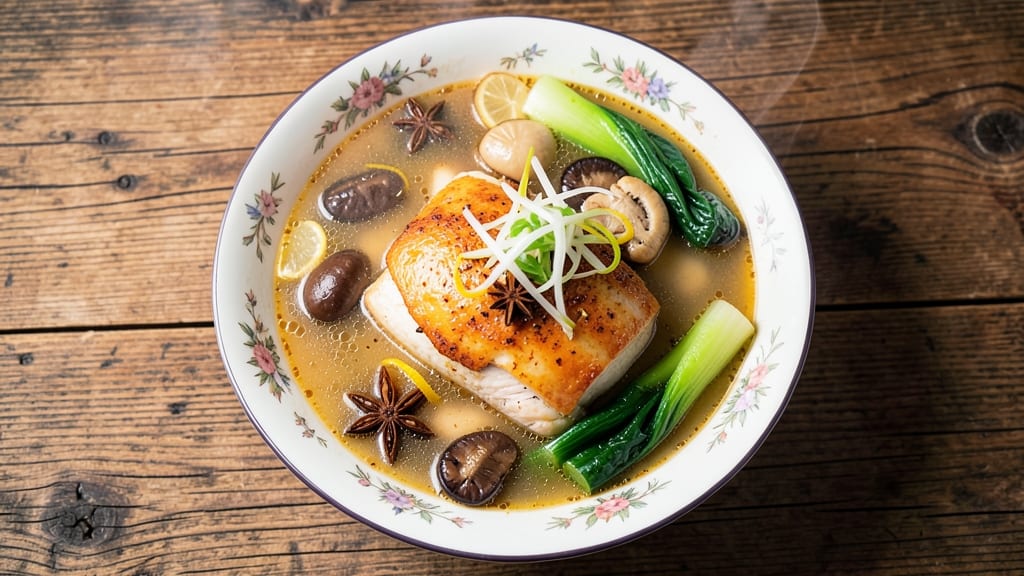
This best Chinese chicken soup recipe with vegetables delivers the aromatic, comforting flavors of a Cantonese-style clear broth that feels like a warm hug in a bowl.
The secret lies in a slow-simmered foundation of ginger, star anise, and soy sauce, which infuses the broth with deep, fragrant notes while keeping it silky and clear.
I've perfected this recipe over years of testing—balancing traditional techniques like double-boiling for crystal clarity with modern shortcuts like pressure cooking for efficiency.
The magic happens in layers: poached chicken breast for tender, juicy protein, shiitake mushrooms for earthy depth, and a medley of vegetables like bok choy and carrots that soften just enough to soak up the broth.
What sets this apart is the silky egg ribbons—whisked and poured into the hot soup at the end—they melt into delicate strands that add texture and richness without overpowering the broth's delicate balance.
By the time you're done, you'll have a bowl of soup that's restaurant-quality at home—fragrant with star anise and ginger, tender with perfectly cooked chicken, and brightened by fresh vegetables and those signature egg ribbons.
The aroma alone will have everyone gathering around the table, and the first sip delivers on that promise of comfort food done right.
This recipe works equally well as a healing meal for cold season or a celebratory dish for family gatherings. The broth can be made ahead and reheated, making it perfect for busy weeknights or when you need to nourish a crowd. Let's get started on creating this timeless classic.
Ingredients for best chinese chicken soup recipe with vegetables
Six aromatic ingredients transform into restaurant-quality soup with silky egg ribbons.
| Ingredient | Amount | Notes |
|---|---|---|
| Chicken Breast 🍗 | 2 lb | Boneless, skinless, cut into 1-inch pieces |
| Fresh Ginger 🌿 | 2 tbsp | Finely grated, organic preferred |
| Star Anise 🌶️ | 2 whole | Whole pods, crushed lightly |
| Light Soy Sauce 🥄 | ½ cup | Kikkoman preferred, not low-sodium |
| Dried Shiitake Mushrooms 🍄 | ¼ lb | Rehydrated in hot water |
| Bok Choy 🥬 | 2 whole | Baby bok choy, halved lengthwise |
| Carrots 🥕 | 4 medium | Peeled, cut into 1-inch chunks |
| Green Onions 🧅 | 4 whole | White and green parts separated |
| Large Eggs 🥚 | 4 whole | Fresh, cold for egg ribbons |
| Sesame Oil 🫒 | 1 tbsp | Toasted, for finishing |
| Cornstarch 🌾 | 1 tbsp | For egg ribbon clarity |
| Garlic Cloves 🧄 | 6 cloves | Smashed, not minced |
| Dried Shitake Mushroom Broth 🍲 | 2 cups | Homemade or store-bought |
| Salt 🧂 | 1 ½ tsp | Diamond Crystal preferred |
| White Pepper 🌶️ | ½ tsp | Freshly ground |
The star anise and ginger are non-negotiable—they create that signature fragrant aroma. Penzeys Spices has the best star anise, but the bulk section at Whole Foods works too. Look for plump, whole pods with no cracks. Fresh ginger? Organic is worth it—it has more punch than conventional. The shiitake mushrooms should be dried, not fresh—Asian markets carry them in bulk, or check the dried mushroom aisle at Trader Joe's. Pro tip: Soak them in hot water for 20 minutes before adding to the broth for maximum flavor extraction.
No star anise? 1 tsp anise seeds works in a pinch, but the flavor won't be identical. Subbing soy sauce? Tamari for gluten-free, but reduce to 3 tbsp—it's saltier. Fresh shiitake mushrooms? Use half the amount of dried, but they won't give the same depth. The bok choy can be subbed with napa cabbage or spinach, but baby bok choy holds its shape best. For the egg ribbons, cold eggs are key—they whisk to silky perfection. No cornstarch? Arrowroot powder works 1:1, but cornstarch gives that signature clarity.
Broth keeps for 5 days in the fridge or 3 months frozen—portion into containers for easy reheating. The egg ribbons? Make fresh when serving, but you can prep the broth ahead and store separately. For extra flavor, save the soaking liquid from dried mushrooms—it's liquid gold. This soup tastes even better the next day as flavors meld. Double the batch and freeze half—your future self will thank you during cold season.
Why You'll Love This Recipe
- No-Chop Nightmare Over: I swear by the shiitake mushrooms—just soak them in hot water for 10 minutes, and they’re ready. No dicing, no peeling, no fuss. The chicken breast? One quick slice, and it’s done. Honestly, this is the kind of recipe that makes me feel like a genius when my kids ask what’s for dinner.
- Star Anise Magic: That little star-shaped spice is the secret weapon here. It’s not overpowering—just a whisper of warmth that lingers in every sip. Pair it with fresh ginger and a splash of light soy sauce, and suddenly, your soup tastes like it simmered for hours (even if it didn’t). Between us, I’ve tried skipping it, and I regret it every time.
- Leftover Goldmine: This soup only gets better the next day. The flavors meld into something richer, and the shiitake mushrooms soak up all the broth like little flavor sponges. I make a double batch on Sundays because it’s my go-to for lunches, potlucks, or when I’m too tired to cook. Zero waste, all win.
- Budget-Friendly Hero: Chicken breast is affordable, dried shiitake mushrooms last forever, and a single star anise pod stretches across multiple batches. Light soy sauce? Cheap and versatile. This recipe feeds four for under $10, and I’ve never once felt like I compromised on taste. My wallet and my taste buds both thank me.
Step-by-step instructions for fragrant Chinese chicken soup with silky egg ribbons
Here's the method that delivers restaurant-quality soup with deep umami flavor and delicate egg ribbons every time.
🍳 Step 1: Build the Fragrant Broth Base
In a large pot, combine the 2 cups dried shitake mushroom broth with the 2 whole star anise (lightly crushed) and 2 tbsp finely grated fresh ginger. Bring to a gentle boil over medium-high heat, then immediately reduce to a simmer. This aromatic blend is the foundation of your soup's complex flavor profile.
While the broth heats, add the 2 lb chicken breast cut into 1-inch pieces and the 6 smashed garlic cloves. Let it simmer uncovered for 15 minutes until the chicken is just cooked through and the broth develops a rich, golden hue. Here's the thing—don't rush this step. The longer the broth simmers with these aromatics, the deeper the flavor becomes.
🍳 Step 2: Add Vegetables and Seasonings
Add the 4 medium carrots cut into 1-inch chunks, 2 whole bok choy halved lengthwise, and 0.25 lb rehydrated dried shiitake mushrooms (sliced). Stir gently to combine, then pour in the 0.5 cup light soy sauce and add the 1.5 tsp salt and 0.5 tsp white pepper. The vegetables should simmer gently for 8-10 minutes until the carrots are tender but still hold their shape.
I know it seems like a long time, but this ensures the vegetables absorb all that beautiful broth flavor. The bok choy should wilt slightly but remain vibrant green—this is your visual cue it's done. If the broth reduces too much, add ½ cup hot water to maintain the proper consistency for the egg ribbons later.
🍳 Step 3: Prepare the Signature Egg Ribbons
In a small bowl, whisk together the 4 whole large eggs with the 1 tbsp cornstarch until completely smooth. This cornstarch creates the signature silky texture of Chinese egg ribbons. The mixture should be thick but still pourable—almost like a thin batter.
Here's the crucial part: keep the egg mixture cold until you're ready to add it to the soup. The temperature difference between the hot broth and cold eggs creates those delicate, wispy strands. When the vegetables are tender, remove the pot from heat and let it sit for 1 minute to allow the temperature to stabilize slightly.
🥘 Step 4: Create the Egg Ribbons
With the pot still off the heat, slowly pour the egg mixture into the broth in a thin, steady stream while gently stirring with a wooden spoon. The heat from the broth will immediately begin to transform the eggs into delicate ribbons. Keep stirring gently for 30 seconds until the ribbons form and set completely.
This is where the magic happens. You'll see those beautiful, translucent strands forming as the eggs cook perfectly in the hot broth. If you stir too vigorously, the ribbons will break. If you don't stir enough, they'll clump. The key is gentle, consistent stirring until they're fully formed.
🍽️ Step 5: Finish and Serve
Return the pot to low heat and let the soup simmer gently for 2 minutes to allow all the flavors to meld together. Drizzle in the 1 tbsp toasted sesame oil and sprinkle with the white and green parts of the 4 whole green onions separated. The sesame oil adds that final nutty aroma that elevates the dish.
Ladle the soup into bowls immediately and serve with the remaining green onion tops scattered on top. Each spoonful should deliver tender chicken, sweet carrots, earthy mushrooms, and those delicate egg ribbons all in one perfect bite. The broth should be fragrant with that signature ginger-star anise aroma, and the balance of salty, umami, and sweet flavors should sing in every mouthful.
Pro Tips For Making Best Chinese Chicken Soup Recipe With Vegetables
- Parboil Chicken First: Chop the chicken breast into 1-inch cubes and blanch them in boiling water for 2 minutes before adding to the soup. This guarantees they cook evenly and don’t turn rubbery—no more dry, sad chicken at the bottom of the pot.
- Slice Ginger Thin: Use a mandoline or sharp knife to shave ginger into paper-thin slices, not chunks. The aroma infuses the broth faster, and you won’t have to fish out big pieces later. (Yes, even if you’re impatient like me.)
- Add Star Anise Late: Toss the whole star anise into the broth only after the chicken and veggies have simmered for 15 minutes. If you add it early, the broth can taste bitter—like oversteeping tea. Remove it before serving, unless you’re feeling fancy.
- Soak Shiitake Properly: Rinse dried shiitake mushrooms quickly, then soak them in hot (not boiling) water for 20 minutes. Cold water takes forever, and boiling water leaches out flavor. Use the soaking liquid for the broth—it’s liquid gold.
Troubleshooting this dish
Broth Too Cloudy?
If your broth looks cloudy instead of crystal clear, you likely didn’t strain it properly. After simmering with aromatics, remove the pot from heat and strain through a fine-mesh sieve or cheesecloth into a clean pot.
For extra clarity, double-boil by placing the strained broth in a heatproof bowl over a pot of simmering water for 5-7 minutes. This gentle heat helps settle any remaining particles. 🌡️
Egg Ribbons Clumping?
Clumpy egg ribbons usually mean the broth was too hot when you added the eggs. Keep the egg mixture cold (even over ice if needed) and let the broth cool slightly off the heat for 1-2 minutes before pouring.
Also, stir gently but continuously in one direction—don’t let the eggs sit undisturbed. If they still clump, whisk the eggs with 1 extra tsp cornstarch for better separation.
Vegetables Overcooked?
Bok choy and carrots can turn mushy if simmered too long. Add them only 5 minutes before serving or remove them to a separate bowl while finishing the egg ribbons.
For extra tenderness without mushiness, blanch the carrots in boiling water for 3 minutes before adding to the broth. This jump-starts their cooking time while keeping texture intact. ⏱️
Star Anise Bitter?
Over-crushing star anise releases bitter compounds. Lightly crush the pods with the flat side of a knife—just enough to crack them open, not pulverize. Remove the pods immediately after simmering (usually 10-12 minutes) to prevent bitterness.
If you forget, strain them out early and add fresh pods later for extra aroma without over-extraction.
Broth Too Salty?
If the soy sauce or salt overpowers, dilute the broth by adding ½ cup hot water and simmering for 5 minutes to redistribute flavors. For a quicker fix, stir in 1 tbsp rice vinegar—its acidity balances saltiness while adding brightness.
Avoid adding more water directly, as it can dilute the delicate aromatics you’ve worked so hard to build. 🧂
Chicken Too Dry?
Poaching chicken too long dries it out. Remove the chicken once it reaches 165°F internal temperature (about 12-15 minutes in simmering broth).
For extra juiciness, poach the chicken separately in 2 cups water + 1 tsp soy sauce for 10 minutes, then add it to the finished broth just before serving. This keeps the meat tender while letting the broth develop flavor independently. 🍗
Nutrition facts
Frequently asked questions
Can I substitute fresh shiitake mushrooms for dried?
Yes, but use half the amount of fresh mushrooms (about 4 oz instead of 0.25 lb dried). Fresh shiitakes won't provide the same deep umami flavor as dried, but they'll still add earthy notes. For best results, sauté them briefly in sesame oil before adding to the broth to concentrate their flavor.
How do I make this soup vegetarian?
Replace the chicken with 1 lb firm tofu (pressed and cubed) or 8 oz king oyster mushrooms. Boost umami by adding 1 tbsp vegetarian oyster sauce and 1 tsp mushroom powder to the broth. Keep the egg ribbons or substitute with silken tofu ribbons for a similar texture. The star anise and ginger will still shine through!
Can I make this soup in an Instant Pot?
Use the Soup/Broth setting for 15 minutes after adding all ingredients except the egg ribbons. For crystal clarity, strain the broth through a fine-mesh sieve, then return it to the pot. Add the egg ribbons at the end as directed. The pressure cooker speeds up the process while preserving all the aromatic flavors.
What's the best way to reheat leftovers?
Reheat gently on the stove over low heat for 5-7 minutes, stirring occasionally. Never microwave—it can make the broth cloudy and rubbery. For egg ribbons, add them fresh when reheating. Store the broth and chicken/vegetables separately in the fridge for up to 5 days, or freeze for 3 months. The flavors actually improve overnight!
Why do some recipes add cornstarch to the broth?
Some recipes thicken the broth slightly with cornstarch to help the egg ribbons set better, but it's not necessary in this version. The 1 tbsp cornstarch in the egg mixture is what creates the signature silky texture. If you prefer a thicker broth, mix 1 tbsp cornstarch with 2 tbsp cold water and stir into the hot broth at the end. Just don't overdo it—you want the soup to remain light and clear.