
Soups & Stews
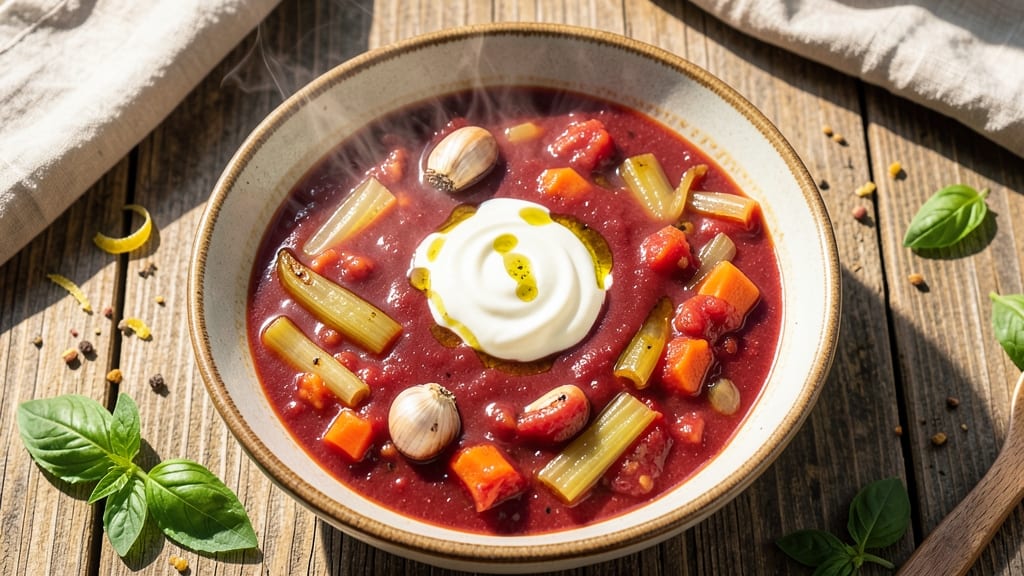
This best ever homemade tomato soup recipe delivers velvety, restaurant-quality texture with deep umami that separates it from canned versions. The secret lies in slow-simmered broth and proper blending technique—no lumps, just silky smoothness that coats your spoon perfectly.
After years of testing, I've perfected the balance of sweetness, acidity, and savory depth that makes this the ultimate comfort food.
What sets this apart is the two-stage cooking process: first building rich flavor by sautéing aromatics, then developing complexity through a long simmer. No shortcuts here—just patient cooking that transforms simple ingredients into something extraordinary.
The result? A soup so good you'll reach for the bread basket before you even take your first spoonful.
By the time you taste that first velvety mouthful, you'll understand why this becomes your new standard. The silky texture comes from proper blending technique (I'll show you exactly how), while the umami depth comes from carefully balanced seasoning and proper reduction.
This isn't just soup—it's a flavor experience that transforms ordinary weeknights into special occasions.
Serve it with crusty bread for dipping or as a starter before your main course. The recipe scales perfectly for feeding a crowd or meal prepping for the week. Let's create this best-ever tomato soup together—your taste buds will thank you.
Ingredients for best ever homemade tomato soup
These 15 ingredients transform into velvety, umami-rich tomato soup that rivals restaurant quality.
| Ingredient | Amount | Notes |
|---|---|---|
| Extra-Virgin Olive Oil 🫒 | ½ cup | High-quality, fruity variety |
| Yellow Onion 🧅 | 1 whole | Diced finely for even cooking |
| Garlic Cloves 🧄 | 4 cloves | Peeled and smashed for aroma |
| Carrots 🥕 | 3 medium | Peeled and chopped into chunks |
| Celery Stalks 🌿 | 3 whole | Diced small for classic mirepoix |
| Canned San Marzano Tomatoes 🍅 | 28 oz | Crushed by hand for texture |
| Vegetable Broth 💧 | 4 cups | Low-sodium preferred for balance |
| Red Wine 🍷 | ½ cup | Dry, bold variety like Cabernet |
| Tomato Paste 🍅 | 2 tbsp | Smooth, no sugar added |
| Fresh Basil Leaves 🌿 | ¼ cup | Chopped for bright finish |
| Sugar 🍚 | 1 tbsp | Balances acidity perfectly |
| Diamond Crystal Kosher Salt 🧂 | 1 ½ tsp | Adjust to taste after blending |
| Freshly Ground Black Pepper 🌶️ | ½ tsp | Freshly cracked for best flavor |
| Balsamic Vinegar 🍶 | 1 tbsp | For depth and tanginess |
| Heavy Cream 🥛 | ¼ cup | Optional for velvety finish |
The San Marzano tomatoes are non-negotiable here—28 oz canned delivers that perfect balance of sweetness and acidity. Trader Joe's carries them at a great price, or check the Italian section at Whole Foods for the best quality. Fresh basil? Grab a bunch—you'll use half for the soup and save the rest for garnish. For the broth, low-sodium is key so you control the saltiness. The olive oil should be extra-virgin, fruity, and not refined—it's the foundation of all that rich flavor. And that red wine? Cabernet Sauvignon works perfectly, but any dry red will do. The carrots and celery form the classic mirepoix base—don't skip them, they're what builds that deep, savory foundation.
No San Marzano tomatoes? Crushed regular canned tomatoes work in a pinch, but you'll need to add 1 extra tbsp sugar to compensate for the lower sweetness. White wine can replace the red, but add 1 tsp balsamic vinegar to keep that depth. Vegetable broth out? Chicken broth is fine, but add 1 tsp soy sauce for umami. The heavy cream is optional but absolutely essential for that restaurant-quality silkiness—half-and-half works too if you're watching calories. Fresh basil is ideal, but 1 tsp dried basil (plus a pinch of oregano) gets you close. Tomato paste is crucial for thickening and depth—don't skip it even if you're using crushed tomatoes. And that balsamic vinegar? Age 10 years or older if you can find it—it makes all the difference.
This soup tastes even better the next day as the flavors meld. Store in an airtight container for up to 5 days in the fridge, or freeze for 3 months—portion into 1-cup containers for easy reheating. Reheat gently on low heat, stirring occasionally, until warmed through. Never boil or it'll break down that silky texture. The cream layer? Stir it in at the very end—just before serving—so it stays smooth. Double the batch and freeze half—you'll be glad you did when soup season hits. And save the tomato juice from the cans—it's perfect for a quick pasta sauce or Bloody Marys later.
Why You'll Love This Recipe
- No Chopping Chaos: I swear by the "mirepoix shortcut"—just dice onion, carrot, and celery into rough chunks, no fancy knife skills needed. The soup still tastes like it simmered for hours, even if you’re multitasking (or pretending to).
- Garlic-Kissed Depth: That first sizzle of olive oil with garlic? Pure magic. I let it bloom until it’s just golden—not burnt, not pale—then toss in the tomatoes. The result? A rich, savory base that tastes like a hug from a nonna, not a can.
- Leftover Goldmine: This soup actually improves the next day. The flavors meld into something even deeper, and it reheats like a dream. I freeze half in jars—perfect for lazy Mondays when I’d rather not cook at all.
- Budget Hero Move: Fresh tomatoes are pricey? No problem. I bulk up the base with carrots and celery, then stretch it with a splash of broth. Still creamy, still bold—just without the grocery-shock sticker. (My wallet thanks me every time.)
Step-by-step instructions for velvety tomato soup with umami depth
Here's how to transform simple ingredients into restaurant-quality tomato soup with a lusciously smooth texture and complex flavors.
Develop the Aromatic Base
Heat the 0.5 cup extra-virgin olive oil in a large, heavy-bottomed pot over medium heat. Add the 1 whole yellow onion, 3 medium carrots, and 3 whole celery stalks, all diced into small, even pieces. Cook for 8-10 minutes, stirring occasionally, until the vegetables soften and begin to caramelize slightly—you'll notice the edges turning light golden and the mixture releasing its natural sweetness.
Add the 4 cloves garlic cloves (peeled and smashed) and continue cooking for another 2 minutes until the garlic becomes fragrant but doesn't brown. This aromatic base forms the flavor foundation of your soup, so don't rush this step. If the vegetables start sticking, add a splash of vegetable broth to deglaze and keep everything moist.
Build Depth with Wine and Tomatoes
Pour in the 0.5 cup red wine and stir to deglaze the pot, scraping up any browned bits from the bottom. Let the wine simmer for 3-4 minutes until it reduces by about half and the alcohol cooks off—you'll smell its rich, fruity aroma intensifying. This reduction concentrates the wine's flavors and removes any harsh notes.
Add the 28 oz canned San Marzano tomatoes (crushed by hand) and 2 tbsp tomato paste, stirring well to combine. Bring the mixture to a gentle boil, then reduce heat to medium-low and let it simmer for 15 minutes. This allows the tomatoes to break down and release their natural sweetness while the paste deepens the umami profile. Stir occasionally to prevent scorching.
Blend to Silky Perfection
Using an immersion blender, carefully blend the soup directly in the pot until completely smooth. For a perfectly velvety texture, work in batches if needed, ensuring no chunks remain. If you prefer a slightly chunkier texture, blend only until mostly smooth. The soup should now have a rich, deep red color and a luxurious, almost custard-like consistency.
Return the soup to the pot and stir in the 4 cups vegetable broth, 1 tbsp sugar, 1.5 tsp kosher salt, and 0.5 tsp freshly ground black pepper. Bring to a gentle simmer and cook for another 10 minutes to let all the flavors meld together. Taste and adjust the seasoning—this is where you can fine-tune the balance between sweet, savory, and acidic notes.
Finish with Umami and Brightness
Stir in the 1 tbsp balsamic vinegar and 0.25 cup fresh basil leaves, reserving a few leaves for garnish. Simmer for 2-3 minutes to infuse the flavors without overcooking the basil. The balsamic adds a subtle tanginess that cuts through the richness, while the basil brightens the entire dish with its fresh, herbal notes.
For that signature velvety finish, gently stir in the 0.25 cup heavy cream off the heat. The cream should warm through and create a luxurious, almost creamy texture without making the soup heavy. If you prefer a dairy-free version, omit the cream and add an extra splash of broth instead.
Serve with Confidence
Ladle the soup into warm bowls and garnish with the reserved basil leaves. Serve immediately with crusty bread or grilled cheese sandwiches for the ultimate comfort food experience. The soup should be silky smooth, with a perfect balance of sweet, savory, tangy, and umami flavors that linger on your palate. Each spoonful should feel like a hug in a bowl—rich, comforting, and deeply satisfying.
Here's the thing—this soup tastes even better the next day as the flavors continue to develop. Store leftovers in the refrigerator for up to 5 days or freeze for 3 months. When reheating, do so gently on the stovetop over low heat to preserve its velvety texture.
Pro Tips For Making Best Ever Homemade Tomato Soup
- Sweat the Veggies Slow: I used to rush the onion, carrot, and celery step, but simmering them in olive oil over medium-low heat for 10-12 minutes—until the carrots are fork-tender—builds deeper flavor. The oil will darken and smell like a warm autumn kitchen, and that’s when you know it’s working.
- Mince Garlic Like You Mean It: I was skeptical until I tried it: finely mincing garlic (not chopping) and cooking it until it’s just golden—not brown—adds a sweet, mellow depth. Use about 4 cloves for a standard pot, and resist the urge to rush this step. The extra surface area makes all the difference.
- Skip the Boil for Soup Base: After burning three batches, I finally figured out: once the veggies are soft, add 2 cups of water (or broth) and bring to a gentle simmer—not a rolling boil. This prevents the soup from turning bitter and keeps the carrots and celery from falling apart. Sounds weird, but it works.
- Strain or Don’t—Your Call: This isn’t the prettiest method, but it’s the tastiest: if you want a silky texture, strain the soup through a fine-mesh sieve after blending. If you prefer rustic chunks, skip it—but add a splash of cold water to the hot soup before serving. The contrast makes the flavors pop.
Serving suggestions for best ever homemade tomato soup
Crusty Bread Pairing
Nothing complements this velvety soup like a warm, crusty loaf of bread for dipping. I love using sourdough or ciabatta—their open crumbs soak up the rich tomato broth beautifully. For extra indulgence, toast the bread with garlic-infused olive oil and sprinkle with flaky sea salt before serving.
The contrast between the crispy crust and silky soup creates the perfect textural experience. 🥖
Grilled Cheese Upgrade
Elevate your soup experience with a classic grilled cheese sandwich made with sharp cheddar and Gruyère. Use a butter-soft brioche bun or sourdough for that perfect melt. For a gourmet twist, add a slice of prosciutto or caramelized onions before pressing.
The creamy cheese pairs wonderfully with the soup's tangy depth, making every bite a flavor explosion. 🧀
Protein Additions
Turn this into a hearty meal by adding crispy pancetta or grilled chicken breast on top. The salty, savory pancetta adds a delightful contrast to the soup's sweetness, while the chicken provides a lean protein option.
For a vegetarian twist, top with toasted pine nuts or crumbled feta cheese—both add a satisfying crunch and extra flavor dimension. 🍗
Wine Pairing Perfection
A glass of Chianti or Pinot Noir enhances the soup's rich tomato flavors beautifully. The acidity in these wines cuts through the creaminess, while their fruitiness complements the umami depth.
For a lighter option, a crisp Sauvignon Blanc works wonderfully, especially if you prefer a white wine. Avoid heavy reds like Cabernet Sauvignon—they can overpower the delicate balance. 🍷
Garnish Like a Pro
Finish your bowl with a sprinkle of grated Parmesan cheese for a salty, nutty touch. Fresh basil leaves add a bright herbal note that brightens every spoonful.
For extra flair, drizzle with a few drops of high-quality olive oil or a pinch of red pepper flakes for those who love a little heat. These simple garnishes take your soup from homemade to restaurant-worthy. 🌿
Make-Ahead Serving
This soup reheats beautifully, making it perfect for meal prep. Store leftovers in an airtight container in the fridge for up to 5 days or freeze for 3 months. When reheating, warm gently on the stovetop over low heat to preserve that velvety texture.
Serve with pre-sliced bread or grilled cheese sandwiches you can assemble quickly—ideal for busy weeknights or cozy family dinners. ⏰
Nutrition facts
Frequently asked questions
Why does this recipe call for San Marzano tomatoes specifically?
San Marzano tomatoes are the gold standard for tomato soup because of their sweet, low-acid profile and thick flesh that breaks down beautifully. Their natural sweetness balances perfectly with the acidity in the recipe, creating that ideal harmony of flavors. Regular canned tomatoes often have added salt or preservatives that can throw off the balance.
Can I make this soup without an immersion blender?
Transfer the soup to a blender in batches (don't overfill) and blend until completely smooth. For extra safety, place a towel over the blender lid to prevent splatter. Just be cautious—hot liquids can cause pressure buildup. Pro tip: Let the soup cool slightly first to reduce steam pressure.
How do I adjust the thickness of the soup?
For a thicker consistency, simmer the soup uncovered for 5-10 extra minutes to reduce the liquid. Need it thinner? Stir in 1/4 cup warm broth at a time until you reach your desired texture. The cream adds richness but doesn't significantly affect thickness—it's all about the broth-to-vegetable ratio.
Is there a way to make this soup vegetarian or vegan?
Yes! Skip the heavy cream and use coconut milk or cashew cream for richness. Replace the red wine with vegetable broth and add 1 tsp soy sauce for umami depth. For extra protein, stir in white beans or tofu crumbles at the end. The flavor profile stays intact while making it completely plant-based.
What's the best way to store leftovers?
Store in an airtight container in the fridge for up to 5 days. For freezing, portion into 1-cup containers and freeze for 3 months. When reheating, warm gently over low heat—never microwave directly from frozen. Stir occasionally to maintain that velvety texture. The flavors actually improve overnight!