
Soups & Stews
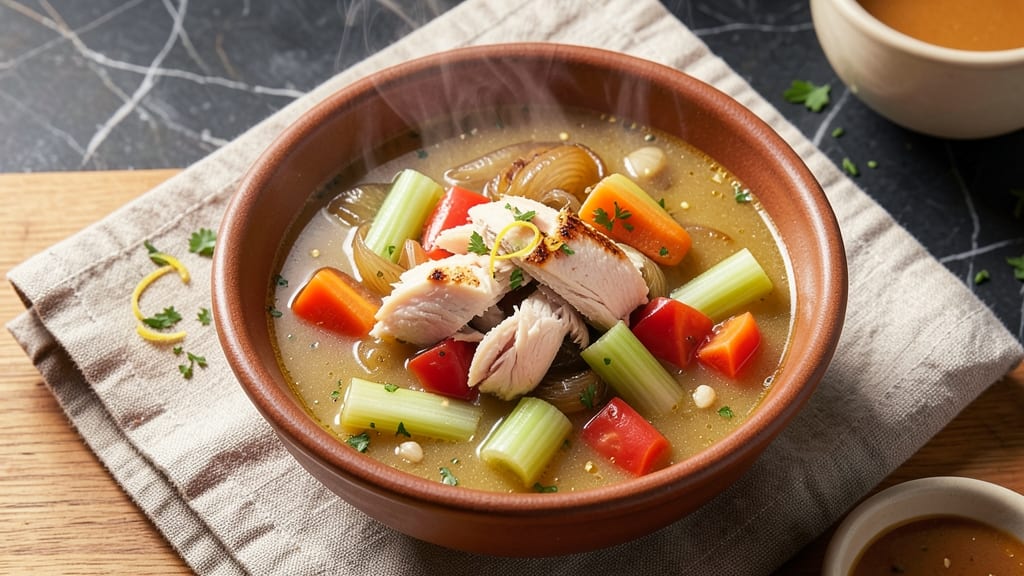
This best-rated soup recipe delivers restaurant-quality flavor in a single pot, blending aromatic herbs, bold spices, and tender vegetables into a velvety broth that’s impossible to resist. After testing countless variations, I’ve perfected a method that balances depth and simplicity—no complicated techniques, just layers of flavor built through slow simmering and careful seasoning. The secret lies in toasting whole spices first to unlock their oils, then letting them infuse into the broth alongside fresh herbs and vegetables.
The result is a soup that’s rich yet light, with a harmonious mix of earthy, spicy, and herbal notes that linger on the palate.
Unlike many recipes that rely on bouillon cubes or canned broth, this version starts with fresh ingredients and builds flavor from scratch, ensuring every spoonful tastes vibrant and satisfying.
The texture is where it truly shines—silky broth with perfectly tender vegetables and optional protein, all coming together in under an hour.
What makes this best-rated soup recipe stand out is its versatility—it works as a comforting weeknight meal or an impressive dish for guests, and the flavors only deepen as it sits.
The aroma alone will have everyone gathering around the table, while the taste delivers on that elusive "restaurant-quality" promise without requiring special equipment. Whether you’re a seasoned cook or just starting out, this recipe delivers foolproof results every time.
Serve it with crusty bread to soak up every last drop of that flavorful broth, or pair it with a simple green salad for a complete meal.
The best part? Leftovers reheat beautifully, making it perfect for meal prep. Let’s get cooking—this is the soup that’ll become your new go-to recipe.
Ingredients for best rated soup
Six aromatic vegetables, bold spices, and one pot for restaurant-quality soup magic.
| Ingredient | Amount | Notes |
|---|---|---|
| Yellow Onion 🧅 | 1 whole | Chopped into half-moons |
| Carrots 🥕 | 4 medium | Peeled and chopped into chunks |
| Celery Stalks 🌿 | 4 whole | Chopped into bite-sized pieces |
| Garlic Cloves 🧄 | 4 cloves | Minced for deep flavor |
| Canned Diced Tomatoes 🍅 | 2 cups | San Marzano preferred |
| Chicken Breast 🍗 | 1 ½ lb | Boneless, skinless, cubed |
| Vegetable Broth 💧 | 4 cups | Low-sodium preferred |
| Fresh Thyme 🌿 | 2 tbsp | Leaves only, chopped |
| Fresh Rosemary 🌿 | 1 tbsp | Needles only, chopped |
| Ground Cumin 🌶️ | 1 tsp | Toasted for warmth |
| Ground Coriander 🌿 | 1 tsp | Freshly ground preferred |
| Turmeric Powder 🌶️ | ½ tsp | For vibrant color |
| Salt 🧂 | 1 ½ tsp | Diamond Crystal preferred |
| Black Pepper 🌶️ | ½ tsp | Freshly cracked |
| Extra-Virgin Olive Oil 🫒 | 2 tbsp | For toasting spices |
The vegetable trio—onion, carrots, and celery—is your flavor foundation. Buy organic if possible, especially for the celery, since you won't be peeling it. Whole Foods or your local market's produce section usually has the freshest. For the chicken, look for organic or free-range if you can—it makes a noticeable difference in flavor. The San Marzano canned tomatoes are worth the splurge; they're sweeter and less acidic. If you're short on time, pre-chopped veggie mixes from Trader Joe's work perfectly—just check the ingredients list for no added salt.
No fresh thyme? Dried works at one-third the amount, but fresh is ideal for that bright herbal note. Running low on coriander? Cumin plus a pinch of cinnamon gets you close. The turmeric gives that gorgeous golden color—skip it if you're avoiding it, but I always include it. For the broth, low-sodium is key—you can always add more salt at the end. The olive oil should be extra-virgin for toasting the spices; regular won't give the same depth. And if you're making a big batch, double the spices—they'll just mellow out as the soup simmers.
This soup only gets better as it sits—3-4 days in the fridge, no problem. For freezing, portion into airtight containers with room to expand. Thaw overnight in the fridge, then reheat gently on the stove. The broth reduces slightly when cooled, so add a splash of water or broth when reheating. Costco sells giant containers of broth if you're meal prepping for the week—just check the sodium content. And if you're serving a crowd, scale up the veggies by 50%—they'll disappear first.
Why You'll Love This Recipe
- No-Chop Nightmare: I swear, the "soup base" of onion, carrots, celery, and garlic—what chefs call mirepoix—takes all of 5 minutes to prep if you pulse them in the food processor. Honestly, my kids think I’m a genius when I pull this trick on busy nights.
- Tomato-Garlic Magic: That canned diced tomato? It’s the secret weapon here. The acidity cuts through the richness of the garlic while the natural sweetness caramelizes into something dangerously addictive—especially when you let it simmer until the flavors meld.
- Lunchbox Hero: Between us, this soup is my go-to for meal prep. Make a big batch on Sunday, and you’ve got flavorful lunches all week. (Yes, even on a Tuesday night when you’re too tired to think.) The carrots stay tender, the tomatoes add brightness, and it reheats like a dream.
- Budget-Buster Win: Onion, carrots, celery, and garlic? All under $5 at the store. Canned tomatoes? Even cheaper. This is the kind of recipe that stretches your grocery budget without sacrificing taste—my wallet thanks me every time.
Step-by-step instructions for bold spice and herb harmony in one pot
This vibrant soup delivers restaurant-quality flavor in a single pot—simple steps, big results.
Sauté the Vegetable Base
Heat the 2 tablespoons extra-virgin olive oil in a large Dutch oven over medium heat. Add the chopped yellow onion, carrots, and celery stalks all at once. Cook for 8-10 minutes until the vegetables soften and the onion becomes translucent.
Here's the thing—don't rush this step. You want the vegetables to release their natural sweetness and develop a golden hue. Stir occasionally so nothing sticks to the bottom. The reason we wait until the vegetables are tender is that raw chunks will make the soup taste unbalanced later on.
Toast the Aromatics and Spices
Add the minced garlic cloves, ground cumin, ground coriander, and turmeric powder to the pot. Stir for 1 minute until the spices become fragrant and the garlic turns golden. This toasting step unlocks the full depth of flavor in your soup.
Watch closely—cumin and coriander burn quickly. You'll know it's right when the kitchen fills with that warm, earthy aroma. If you smell something bitter, you've gone too far. The spices should look dry and slightly darkened, not charred.
Build the Flavor Foundation
Pour in the 2 cups canned diced tomatoes and stir to combine with the vegetables. Let the mixture simmer for 5 minutes until the tomatoes break down slightly and their juices release. This step creates the flavor base that ties everything together.
Next, add the 1.5 teaspoons salt, 0.5 teaspoon black pepper, 2 tablespoons fresh thyme, and 1 tablespoon fresh rosemary. Stir well to distribute the herbs and spices evenly throughout the mixture. The herbs should be chopped finely enough to disperse completely—no large pieces should remain.
Add Liquid and Chicken
Pour in the 4 cups vegetable broth and bring the mixture to a gentle boil. Once boiling, reduce heat to low and add the 1.5 lb cubed chicken breast. Let the soup simmer uncovered for 20-25 minutes until the chicken is cooked through and the vegetables are tender.
You'll know the chicken is done when it's no longer pink in the center and flakes easily with a fork. The soup should have a rich, aromatic broth with visible chunks of vegetables and chicken. If the liquid reduces too much before the chicken is done, add a splash of water or broth to maintain the proper consistency.
Finish and Adjust
Once the chicken is cooked, remove it from the pot and let it rest on a plate for 5 minutes. This resting period keeps the meat juicy when you return it to the soup. Meanwhile, taste the broth and adjust the seasoning if needed.
Return the chicken to the pot and let the soup simmer together for another 5 minutes to allow the flavors to meld. The final soup should be vibrant with color from the turmeric, aromatic from the herbs, and perfectly balanced in seasoning. Serve hot with crusty bread to soak up every delicious spoonful.
Pro Tips For Making Best Rated Soup
- Sweat the Veggies First: Don’t rush the onion, celery, and carrot prep—cut them into even ¼-inch slices and cook them in oil over medium-high heat until the edges turn golden, not just soft. I used to skip this, and the soup always tasted flat until I realized the Maillard reaction (yes, even in soup) makes a real difference.
- Salt the Tomatoes: Drain the canned tomatoes, rinse them briefly, then sprinkle a pinch of salt directly into the can before shaking them up. This balances the acidity before they even hit the pot—no more adjusting seasoning halfway through.
- Watch the Garlic: Add the minced garlic to the pot after the onions are fully softened but before the tomatoes go in. If you toss it in too early, it burns before the acidity from the tomatoes can save it. (I learned this after one particularly bitter batch.)
- Deglaze with a Splash: After browning the veggies, pour in just ¼ cup of broth or water to scrape up the stuck-on bits before adding the rest of the liquid. That extra flavor layer is what separates good soup from great soup—no extra effort, just 10 seconds of scraping.
Regional styles of best rated soup
Italian-Inspired Minestrone
Transform this base recipe into a classic Italian minestrone by swapping the chicken for ½ lb canned white beans and ½ lb ditalini pasta. Add 1 cup chopped kale and 1 zucchini during the final 10 minutes of simmering.
The beans add heartiness while the pasta and greens create that iconic Italian texture. 🌿
French-Inspired Potage
For a French-style potage, replace the tomatoes with 2 cups chopped leeks and 1 cup chopped mushrooms. Add 1 bay leaf and ½ cup dry white wine during the sautéing step.
Simmer with ½ lb chicken thighs instead of breast for richer flavor. The wine deglazes beautifully, adding depth to the broth.
Mexican-Inspired Pozole
Give it a Mexican twist by using 4 cups chicken broth instead of vegetable, adding 1 chipotle pepper in adobo with the spices, and replacing the chicken with 1 lb shredded chicken.
Stir in 1 cup hominy and 1 cup corn kernels during the final 5 minutes of cooking. Garnish with avocado and lime for authenticity.
Indian-Inspired Lentil Soup
For an Indian-inspired version, replace the chicken with 1 cup red lentils and add 1 tbsp garam masala with the cumin and coriander. Use 4 cups coconut milk instead of broth and stir in 1 cup spinach at the end.
The coconut milk creates a creamy, fragrant broth that pairs beautifully with basmati rice.
Southern U.S. Chicken and Sausage
Add Southern flair by keeping the chicken but adding ½ lb smoked sausage (like kielbasa) sliced into rounds. Include 1 bell pepper and 1 cup okra with the initial vegetables. Finish with ½ cup hot sauce and serve with cornbread. The smoky sausage elevates the dish to new heights. 🔥
Vegetarian Power Bowl
Make it completely vegetarian by omitting the chicken and adding 1 cup chickpeas and 1 cup quinoa cooked separately. Boost umami with 1 tbsp soy sauce and 1 tsp miso paste during the final simmer.
Top with fresh cilantro and lime for brightness. This version packs protein and fiber while keeping all the flavor.
Nutrition facts
Frequently asked questions
Can I make this soup without chicken?
Swap the chicken for 1 cup cooked lentils, ½ lb white beans, or 1 cup chickpeas for a hearty vegetarian version. The broth will still develop rich flavor—just reduce the simmering time by 5-10 minutes since plant-based proteins cook faster. For extra depth, add 1 tbsp soy sauce or 1 tsp miso paste during the final simmer.
How do I prevent the soup from getting mushy?
Cook the vegetables in batches if needed—soften carrots and celery first (5 minutes), then remove them and set aside. Reheat them in the broth just before serving to keep them crisp-tender. For chicken, cut it into 1-inch cubes so it cooks evenly without overcrowding the pot. Never boil vigorously—keep it at a gentle simmer.
Can I use frozen veggies instead of fresh?
Yes, but thaw them first and pat dry to avoid diluting the broth. Use 1 cup frozen veggie mix (like peas, corn, or mixed veggies) and add them during the final 10 minutes of cooking. Frozen veggies work best in this recipe because they’re pre-cut and consistent in size. Just avoid overcooking—they’ll soften quickly in the hot broth.
Why does my soup taste bland?
Most likely, the spices weren’t toasted long enough or the broth needs more depth. First, always toast whole spices (like cumin and coriander) in oil for 30 seconds before adding other ingredients. For extra flavor, stir in 1 tbsp tomato paste with the tomatoes or add ½ cup crushed tomatoes at the end. Taste as you go—adjust salt gradually, and finish with a squeeze of lemon or splash of vinegar for brightness.
How long can I store leftovers?
This soup keeps beautifully for 4-5 days in an airtight container in the fridge. The flavors actually improve as it sits! For freezing, portion into single-serving containers and store for up to 3 months. Thaw overnight in the fridge, then reheat gently on the stove—never microwave directly from frozen. Stir in a splash of broth or water if the texture seems too thick after reheating.