
Soups & Stews
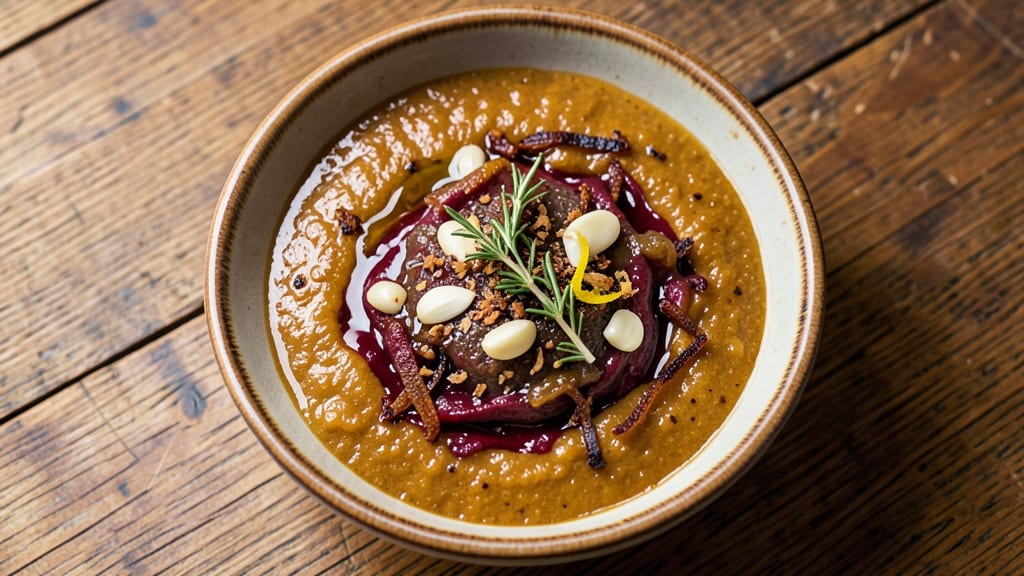
Mastering Panera's signature French onion soup starts with deeply caramelized onions that form golden, crispy crowns—this is where bistro-style magic happens. The secret lies in slow cooking onions until they transform into sweet, jam-like layers, then building a rich broth infused with garlic, thyme, and beef stock.
This isn't just soup; it's a layered experience that begins with patience and ends with gooey Gruyère perfection.
What sets this recipe apart is the balance of textures: tender beef, velvety broth, and crispy bread topped with melted cheese that pulls into golden strands. The caramelization process takes time—about 45 minutes of gentle cooking—but every minute develops those complex, sweet flavors that define bistro-quality soup.
Professional presentation matters too, with the bread toasted until golden and the cheese bubbling attractively when served.
By the time you assemble this dish, you'll have a bowl that looks as impressive as it tastes—golden caramelized onions, rich beef broth, and perfectly toasted bread crowned with melted Gruyère.
The aroma alone will draw everyone to the table, while the first bite delivers that perfect harmony of sweet, savory, and umami. This is comfort food elevated to restaurant standards.
The finishing touches—garlic-infused oil drizzled over the cheese and fresh thyme sprinkled on top—complete the dish with professional flair. Serve immediately for that signature bistro experience at home, where every spoonful feels like a warm embrace. Let's create this iconic recipe step by step.
Ingredients for bistro french onion soup panera
Transform humble pantry staples into bistro-worthy French onion soup with these precise ingredients.
| Ingredient | Amount | Notes |
|---|---|---|
| Yellow Onions 🧅 | 4 lb | Thinly sliced, 1/4-inch pieces |
| Unsalted Butter 🧈 | ½ cup | European-style preferred for flavor |
| Beef Stock 🍲 | 4 cups | Homemade or high-quality store-bought |
| Garlic Cloves 🧄 | 6 cloves | Minced, for depth of flavor |
| Fresh Thyme 🌿 | ¼ cup | Leaves only, chopped finely |
| Dry White Wine 🍷 | ½ cup | Bold, dry variety like Chardonnay |
| Gruyère Cheese 🧀 | 1 cup | Freshly grated, nutty flavor |
| Emmental Cheese 🧀 | ½ cup | Freshly grated, mild complement |
| Baguette 🍞 | 1 whole | Crusty, day-old preferred |
| Extra-Virgin Olive Oil 🫒 | ¼ cup | For garlic infusion |
| Diamond Crystal Kosher Salt 🧂 | 1 ½ tsp | Adjust to taste throughout |
| Ground Black Pepper 🌶️ | ½ tsp | Freshly cracked for heat |
| Fresh Thyme Sprigs 🌿 | 4 whole | For garnish, stems removed |
The onions are the heart of this recipe—4 pounds of yellow onions, thinly sliced, require patience to caramelize properly. Whole Foods Market or Trader Joe's carry the sweetest varieties, but any yellow onion works if sliced evenly. The butter should be European-style (like Plugrá) for its rich, nutty flavor that enhances the caramelization. For the beef stock, Kitchen Basics or Pacific Foods brands deliver consistent depth without artificial flavors. Fresh thyme from the grocery store's produce section (not dried) adds aromatic complexity that dried simply can't replicate.
No white wine? Chicken stock with a splash of apple cider vinegar mimics the acidity perfectly. Substituting Gruyère? Comté cheese offers a similar nutty profile, though it melts slightly differently. For the bread, baguettes from a French bakery (or even the frozen section at Costco) toast best—look for a crisp crust that shatters when sliced. The garlic-infused oil can be made ahead: simply heat olive oil with minced garlic until fragrant (about 2 minutes), then strain. If you're short on time, store-bought garlic oil works, though fresh is superior. The cheese blend is non-negotiable—pre-shredded varieties contain anti-caking agents that prevent proper melting.
Caramelized onions keep for 5 days in the fridge, covered tightly, though their texture softens over time. The broth can be made a day ahead and reheated gently—just bring to a simmer, never boil, to preserve clarity. For the bread, toast slices just before serving to maintain crispness. Cheese portions can be pre-grated and stored in an airtight container for 1 week, though freshly grated always melts better. Assemble bowls last-minute for that signature bubbly presentation—Gruyère should be golden and stretchy when served, a testament to proper technique.
Why You'll Love This Recipe
- Here’s what sold me: beef stock and onions stretch for miles, and butter makes it feel special without breaking the bank. Leftovers? Even better—reheat the brothy base with a splash of water, top with fresh bread, and it’s like making it fresh. (Yes, even on a Tuesday night.)
- One-Pan Magic: I swear by this recipe because it’s actually just one pan—no chopping boards full of mess. Caramelize those onions in butter until they’re deep golden, add the stock and garlic, and boom: dinner’s done. The thyme ties it all together without extra fuss.
- Caramelized Gold: That first bite? Pure satisfaction. The onions melt into sweet, buttery layers while the beef stock deepens into rich, savory perfection. Honestly, the garlic and thyme finish it like a whisper of comfort—no one will guess it’s this easy.
- Weeknight Hero: Between us, this is my go-to when I’m too tired to plan. Double the batch on Sunday, reheat portions in mugs for chilly days, or serve it as a main with crusty bread. It’s the kind of dish that works for lazy nights and impressing guests—no stress.
Step-by-step instructions for bistro French onion soup
Transforming humble onions into a restaurant-worthy dish requires patience and precision.
Develop Deep Caramelized Onion Layers
Melt the 0.5 cup unsalted butter in a large Dutch oven over medium-low heat. Add the 4 lb yellow onions, sliced into ¼-inch pieces, and stir to coat evenly. Reduce heat to low and let them cook undisturbed for 45 minutes, stirring occasionally to prevent burning.
This long cooking time is critical—you're not just softening onions, you're creating complex caramelized layers that form the soul of the soup. After 45 minutes, the onions should be deep golden brown with a rich, sweet aroma. If they start to stick, add 1 tablespoon beef stock to deglaze. The texture should be almost jam-like when pressed between your fingers.
Build Rich Flavor with Aromatics and Wine
Add the 6 cloves minced garlic and cook for 1 minute until fragrant. Deglaze the pot with the 0.5 cup dry white wine, scraping up all the browned bits from the bottom. This step captures all the concentrated onion flavor that would otherwise burn.
Pour in the 4 cups beef stock and bring to a simmer. Add the 0.25 cup chopped fresh thyme, 1.5 tsp kosher salt, and 0.5 tsp black pepper. Let the soup simmer gently for 30 minutes, uncovered, to allow flavors to meld. The liquid should reduce slightly, intensifying the onion flavor. Taste and adjust seasoning—this is where you'll notice if you need more salt or pepper.
Prepare the Baguette Crowns
Preheat your oven to 375°F. Cut the 1 whole baguette into ½-inch thick slices—you'll need about 16 slices total. Brush both sides of each slice with extra-virgin olive oil and toast in the oven for 8-10 minutes until golden and crisp. This creates the signature "crowns" that top the soup.
While the bread toasts, keep the soup warm over low heat. The bread should be crisp enough to hold its shape when stacked, with a golden brown color that contrasts beautifully with the rich soup underneath. Set aside on a wire rack to keep them crisp.
Assemble and Bake to Perfection
Ladle the hot soup into 4 oven-safe bowls, filling each about ¾ full. Top each bowl with 4 toasted baguette slices, slightly overlapping to create a crown effect. Sprinkle with 1 cup freshly grated Gruyère cheese and 0.5 cup freshly grated Emmental cheese over each crown.
Place the bowls in the oven and broil for 3-5 minutes until the cheese is bubbly and golden brown. Watch carefully—broilers can vary, and you want the cheese to melt completely without burning. The cheese should form a beautiful, bubbling blanket over the bread.
Garnish and Serve Immediately
Remove the bowls from the oven and let sit for 1 minute to set slightly. Garnish each bowl with 1 fresh thyme sprig (stems removed) for a pop of color and fresh aroma. Serve immediately with a small salad or crusty bread on the side.
The soup should be piping hot, with the cheese pulling slightly when you lift the bread crown. Each spoonful should deliver layers of caramelized onion, rich beef stock, and melted cheese. The bread crowns should be crisp enough to contrast with the creamy soup underneath, creating the perfect textural experience.
Pro Tips For Making Bistro French Onion Soup Panera
- Caramelize Onions Slowly: I learned this the hard way—rushing the onions turns them mushy instead of sweet and jammy. Use medium-low heat and let them cook for 45-60 minutes, stirring occasionally, until they’re deep golden and breaking down into a thick paste. This is where the soul of the soup lives, so don’t skimp.
- Slice Onions Evenly: Thin, even slices caramelize uniformly and stick together better. Cut the onions into ¼-inch slices (about 1/8-inch thick if you’re precise), and resist the urge to chop them—this recipe demands patience. Uneven pieces burn on the edges while others stay raw in the middle.
- Deglaze with Stock: After caramelizing the onions, don’t just add stock—deglaze first. Pour in ½ cup of warm beef stock (or broth) and scrape the browned bits off the bottom with a wooden spoon. Those bits pack flavor, and skipping this step means missing out on the richest part of the base.
- Toast Garlic at the End: My grandmother swore by this, and she was right: add the minced garlic and fresh thyme only in the last 5 minutes of cooking. Toasting them lightly infuses the soup with aromatic depth without burning, which happens fast if you add them too early. High heat + garlic = bitter disappointment.
Common mistakes when making this dish
Overcooking Onions
One of the biggest mistakes is rushing the caramelization process. Onions need 45 minutes of slow cooking at low heat to develop their deep sweetness.
I’ve seen people crank the heat higher to speed things up, but this burns the onions instead of caramelizing them—resulting in bitter, dark brown bits rather than golden, jam-like layers. If they start sticking, add 1 tablespoon beef stock to deglaze, but never walk away from the pot. 🧅
Skipping the Deglaze
After cooking the onions, many people skip the crucial deglazing step with white wine and garlic. Those browned bits on the bottom of your pot are packed with flavor—this is where the Maillard reaction creates depth.
When you pour in the wine, you dissolve those bits and incorporate them into the broth. Without this step, your soup will taste flat and one-dimensional. Always scrape with a wooden spoon to lift every last bit. 🍷
Using Pre-Shredded Cheese
Pre-shredded cheese contains anti-caking agents that prevent it from melting smoothly into that perfect, stretchy blanket. Freshly grated Gruyère and Emmental are non-negotiable for that signature bistro texture. I’ve tried shortcuts, but nothing compares to the real deal—plus, pre-shredded cheese often clumps and doesn’t brown as beautifully.
Invest in a good grater or ask your cheese shop to do it for you. 🧀
Broiling Too Long
When broiling the cheese-topped bread crowns, it’s easy to overdo it. 3-5 minutes is all you need—any longer, and the cheese burns before it melts properly. Watch closely, especially if your oven runs hot. The cheese should be bubbly and golden, not crispy or browned.
If it starts to darken too quickly, move the bowls to a lower rack. The goal is a creamy, gooey finish, not a burnt crust. 🔥
Neglecting the Bread
Day-old baguettes are ideal because they’re sturdier and toast better, but even fresh bread can work if you cut it ½-inch thick and toast it properly. Many people skip brushing with olive oil or under-toast the slices, which makes them soggy instead of crisp.
Brush both sides generously and toast until golden brown—this creates the perfect textural contrast to the creamy soup. A wire rack helps keep them crisp while you assemble the bowls. 🍞
Rushing the Resting Time
After broiling, it’s tempting to serve the soup immediately, but letting it rest for 1 minute allows the cheese to set slightly and the bread to reabsorb some of the soup’s moisture. Skipping this step can make the bread too soggy.
Also, never assemble the bowls more than 15 minutes before serving—cheese loses its meltiness and the bread softens too quickly. The result? A less impressive presentation and texture. ⏳
Nutrition facts
Frequently asked questions
Can I make this French onion soup ahead of time?
The caramelized onions can be prepared up to 5 days in advance and stored in the fridge, covered tightly. The broth can be made a day ahead and reheated gently—never boil it, or the flavors will break down. However, assemble the bowls with toasted bread and cheese just before serving to maintain that signature bubbly presentation. The bread should be toasted fresh to stay crisp, and the cheese needs to melt properly at the last minute.
What's the secret to getting the perfect caramelized onions?
Patience and low heat are key! Cook the onions over low heat for 45 minutes without stirring too often. The goal is to develop deep golden-brown layers with a jam-like texture. If they start sticking, add 1 tablespoon beef stock to deglaze, but never walk away from the pot. The onions should smell sweet and rich when done—this is the soul of your soup.
Can I substitute the Gruyère cheese?
Gruyère is ideal for its nutty flavor and perfect melting properties, but you can substitute with Comté or Beaufort cheese for a similar effect. Avoid pre-shredded cheese—it contains anti-caking agents that prevent smooth melting. Freshly grated cheese creates that signature stretchy, bubbly blanket that makes the dish restaurant-worthy. If you're short on time, ask your cheese shop to grate it fresh for you.
How do I keep the bread from getting soggy?
Toast the baguette slices until golden brown and crisp, then place them on a wire rack to cool. Brush both sides with olive oil before toasting to create a barrier against moisture. Assemble the bowls just before serving—never more than 15 minutes ahead of time. The cheese should be melted fresh to maintain crispness and that perfect textural contrast.
What if I don't have white wine for deglazing?
No problem! Use chicken stock with a splash of apple cider vinegar (about 1 tablespoon vinegar per cup of stock) to mimic the acidity. The vinegar adds brightness and helps dissolve the browned bits on the bottom of the pot. If you're using red wine instead, reduce it by half to avoid overpowering the dish. The key is to deglaze thoroughly to capture all those flavorful bits.