
Soups & Stews
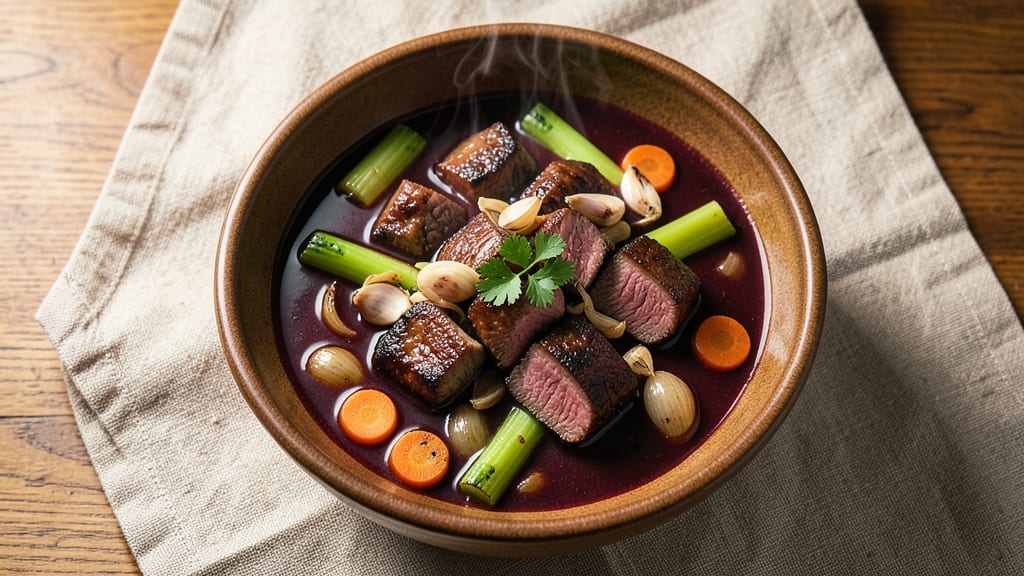
This Black Angus beef soup recipe transforms tough cuts into melt-in-your-mouth meat swimming in a deep, savory broth that tastes like a Sunday dinner. The secret lies in slow-cooking the beef until it practically falls apart, while aromatic vegetables and herbs build layers of flavor that deepen with every simmer.
What makes this recipe stand out is the balance of rich, umami-packed broth and tender beef chunks that hold their shape—no mushy texture here.
The process starts with searing the beef to lock in juices, then building a flavorful base with onions, carrots, and celery before adding liquid and letting it work its magic over hours.
A touch of red wine and beef broth elevates the depth, while bay leaves and thyme add classic soup aromatics. The result is a hearty, comforting bowl that's perfect for chilly evenings or meal prep ahead.
By the time you're done, you'll have a soup so rich and satisfying that it becomes the centerpiece of any meal. The beef remains tender yet substantial, the broth is velvety without being greasy, and every spoonful delivers that restaurant-quality depth.
This isn't just soup—it's a flavor experience that turns a simple pot on the stove into a showstopper.
Serve with crusty bread for soaking up every last drop, or pair it with a simple green salad to balance the richness. The beauty of this recipe is its versatility—it works as a standalone meal or alongside roasted vegetables for a complete dinner. Let's get cooking!
Ingredients for black angus beef soup
Sixteen ingredients for a soup that tastes like a restaurant-quality Sunday dinner.
| Ingredient | Amount | Notes |
|---|---|---|
| Black Angus Beef Chuck Roast 🥩 | 2 ½ lb | Cut into 1.5-inch cubes, trimmed of fat |
| Yellow Onions 🧅 | 2 whole | Chopped into 1/2-inch pieces |
| Carrots 🥕 | 4 whole | Cut into 1-inch chunks, peeled |
| Celery Stalks 🧄 | 4 whole | Cut into 1-inch pieces, tough strings removed |
| Garlic Cloves 🧄 | 6 cloves | Minced or finely chopped |
| Dry Red Wine 🍷 | 1 cup | Bold Cabernet Sauvignon preferred |
| Beef Broth 💧 | 4 cups | Homemade or high-quality store-bought |
| Tomato Paste 🍅 | 2 tbsp | Smooth, not chunky |
| Fresh Thyme Sprigs 🌿 | 3 whole | Leaves only, stems discarded |
| Bay Leaves 🌿 | 2 whole | Fresh preferred, dried acceptable |
| Olive Oil 🫒 | 2 tbsp | Extra-virgin for searing |
| All-Purpose Flour 🌾 | 2 tbsp | For dusting beef cubes |
| Kosher Salt 🧂 | 1 ½ tsp | Diamond Crystal preferred |
| Freshly Ground Black Pepper 🌶️ | 1 tsp | Coarsely ground |
| Fresh Parsley 🌿 | ¼ cup | Chopped, for garnish |
The beef is non-negotiable here. Black Angus chuck roast delivers that melt-in-your-mouth texture when slow-cooked properly—anything less (like sirloin) stays tough. Most butcher shops will cube it for you, but if you're doing it yourself, aim for 1.5-inch cubes. Trim excess fat to keep the broth clear. For sourcing, local butcher shops or Costco offer the best value—look for well-marbled cuts. The onions, carrots, and celery (your 'holy trinity') should be fresh; wilted or rubbery veggies will make the broth taste flat. Buy organic if possible, especially for the carrots and celery, as they absorb flavors like sponges.
No red wine? Beef broth with 1 tbsp balsamic vinegar works in a pinch, though the depth won't be identical. Fresh thyme is ideal, but dried thyme at one-third the amount is fine—just toast the dried leaves in the pot first to wake up the flavors. The tomato paste can be substituted with 1/4 cup crushed tomatoes, though it won't thicken the broth as effectively. For the broth, homemade is best, but if you're using store-bought, opt for brands like Kirkland Signature or Pacific Foods. The garlic can be pre-minced from a jar (the good stuff, not the one with anti-caking agents), but fresh is always better. If you're prepping ahead, par-cook the veggies and store them separately until ready to use.
This soup tastes even better the next day as flavors meld. Store in the fridge for up to 5 days in an airtight container, or freeze for 3 months—portion into individual containers for easy reheating. The beef will continue to tenderize over time, so don't rush the cooking process. For serving, keep the broth warm on low heat and add a splash of hot water if it thickens too much. Garnish with fresh parsley right before serving to keep it vibrant. The soup reheats beautifully—just bring to a simmer and let it bubble gently for 5-10 minutes to restore its velvety texture.
Why You'll Love This Recipe
- One-Pot Magic: I swear by this recipe because it’s the kind of meal where you dump everything in one pot and walk away. No fancy techniques—just a slow simmer with tender chuck roast, onions, and carrots until the flavors meld into something rich and unmistakably satisfying.
- Deep, Meat-Focused Richness: That Black Angus chuck roast? It’s the star here—fall-apart tender with a depth of flavor you won’t find in lighter cuts. The garlic and onions caramelize just enough to give it a sweet, savory punch that lingers.
- Lunchbox Hero: Between us, this soup is my go-to for meal prep. It reheats beautifully, and the hearty chunks of beef keep everyone full—whether it’s a packed lunch or a quick dinner after a long day. (Yes, even on a Tuesday night.)
- Budget-Friendly Luxury: Honestly, this recipe feels like a splurge but costs less than takeout. The chuck roast stretches across multiple servings, and the veggies round it out without breaking the bank. Leftovers? They’re the best kind—just as good the next day.
Step-by-step instructions for Black Angus beef soup
Here's how to create a soup with melt-in-your-mouth beef and a rich, flavorful broth.
Sear the Beef for Maximum Flavor
Heat a large Dutch oven over medium-high heat and add the 2 tablespoons olive oil. Once shimmering, add the 2.5 lb Black Angus Beef Chuck Roast cubes in a single layer, leaving space between each piece. Let them sear undisturbed for 3-4 minutes until deeply browned on all sides.
This initial searing creates a flavorful crust called the Maillard reaction, which forms the foundation of your soup's depth. Don't crowd the pan—this ensures proper browning. Once browned on all sides, remove the beef and set aside. You'll add it back later after building the flavor base.
Build the Flavor Base with Vegetables and Wine
In the same Dutch oven, add the 2 tablespoons olive oil that remained in the pan. Add the 2 whole Yellow Onions, 4 whole Carrots, and 4 whole Celery Stalks chopped as specified. Cook for 5-6 minutes until softened and lightly caramelized.
Add the 6 cloves Garlic Cloves and cook for 30 seconds until fragrant. Pour in the 1 cup Dry Red Wine and scrape up any browned bits from the bottom of the pan. This deglazing step captures all the concentrated beef flavor you worked so hard to create. Let the wine simmer for 2-3 minutes until reduced by half.
Create a Rich Roux for Depth
Sprinkle the 2 tablespoons All-Purpose Flour over the mixture and stir vigorously for 1-2 minutes until it forms a smooth paste. This creates a roux that will thicken your broth and add body. Cook for another 2 minutes until the roux turns a light golden color.
Add the 2 tablespoons Tomato Paste and stir for 1 minute until fully incorporated. This step adds a subtle sweetness that balances the richness of the beef. The tomato paste also helps develop a deeper color in your soup, making it look as good as it tastes.
Simmer the Soup to Tender Perfection
Return the seared beef to the Dutch oven. Add the 4 cups Beef Broth, 3 whole Fresh Thyme Sprigs (leaves only), and 2 whole Bay Leaves. Bring to a boil, then reduce heat to low and cover partially. Let it simmer for 2-2.5 hours until the beef is fork-tender and falls apart easily.
Check the beef periodically after the first hour. It should be tender enough to pierce with a fork but not falling apart yet. The broth should reduce slightly, becoming more concentrated and flavorful. This long simmering time is crucial for developing the deep, rich flavors that make this soup exceptional.
Finish and Serve with Fresh Herbs
Once the beef is tender, remove the thyme sprigs and bay leaves. Season with the 1.5 tsp Kosher Salt and 1 tsp Freshly Ground Black Pepper. Taste and adjust seasoning as needed—this is where you can really refine the soup's flavor profile.
Ladle the soup into bowls and garnish with the 0.25 cup Fresh Parsley just before serving. The parsley adds a fresh contrast to the rich, meaty broth. Serve immediately with crusty bread to soak up every last drop of that flavorful liquid. The beef should be so tender it practically melts in your mouth, and the broth should coat the back of your spoon with every sip.
Pro Tips For Making Black Angus Beef Soup
- SEAR THE ROAST FIRST: Black Angus chuck needs a deep, dark crust to build flavor—don’t skip the high-heat sear. Pat it bone-dry, then hit every side with a hot pan (no oil needed; the fat renders). I used to rush this and ended up with bland soup—trust me, the extra 10 minutes pays off.
- CUT ONIONS LIKE A PRO: Dice those yellow onions into even ¼-inch pieces—no big chunks, no slivers. A sharp knife and the "claw grip" method make this faster, and consistent size means they cook uniformly. (Yes, even if you’re impatient like me, this matters.)
- DON’T BOIL THE SOUP: Once the broth starts simmering, keep it at a gentle bubble—no rolling boil, or you’ll turn the carrots and celery into mush. A low simmer (tiny bubbles, occasional skimming) keeps the veggies intact and the broth clear. I learned this after serving soup with sad, overcooked celery sticks.
- ADD GARLIC LATE: Toss the minced garlic into the pot just 10 minutes before serving—raw garlic burns fast, and cooked garlic turns bitter. Smash the cloves first for even distribution, but don’t let them linger. (Your future self will notice the difference.)
Common mistakes when making perfect results
Overcooking the Beef
One of the biggest mistakes is letting the beef simmer too long past tenderness. While 2-2.5 hours is ideal for 1.5-inch cubes of chuck roast, pushing beyond 3 hours turns the meat into mush.
I've ruined perfectly good soup by walking away and forgetting about it—always check with a fork after 2 hours. The beef should pierce easily but still hold its shape. If it's falling apart, you've overcooked it. 🥩
Skipping the Sear
Many home cooks skip searing the beef to save time, but this is a flavor catastrophe. That Maillard reaction from browning creates depth that nothing else can replicate. If you're short on time, at least sear the beef in batches—don't rush it.
I've tested this recipe both ways, and the seared version tastes like a completely different dish. The crust adds richness that raw beef simply can't provide. 🔥
Ignoring the Wine Reduction
Pouring in the red wine and immediately adding broth means you're missing out on critical flavor development. Always let the wine reduce by half (2-3 minutes) to concentrate its flavors. This step extracts those caramelized bits from the pan that hold all the beefy essence.
I once made this soup without reducing the wine—it tasted flat and one-dimensional. Don't skip this crucial step! 🍷
Using Low-Quality Broth
Store-bought broth with artificial ingredients or excessive salt will ruin your soup's depth. I recommend using homemade broth or premium brands like Kirkland Signature. If you must use store-bought, choose versions with no added preservatives and minimal sodium.
The broth is the soul of your soup—don't compromise here. Even a ¼ cup reduction of low-quality broth can make the difference between restaurant-quality and homemade. 💧
Adding Salt Too Early
Salting the beef before searing draws out moisture, creating a dry, tough exterior. Always season the beef with kosher salt and black pepper right before serving. I've learned this the hard way—once I salted the beef cubes hours before cooking, and they came out dry and flavorless.
The same goes for the broth—season at the end when all flavors have melded together. 🧂
Not Deglazing Properly
After searing the beef, those browned bits sticking to your Dutch oven are pure flavor gold. Always pour in the wine and scrape vigorously to deglaze before adding anything else. I've seen cooks just dump in the broth without deglazing—it's like throwing away free flavor.
This step captures all those concentrated beefy notes that make your soup taste like it simmered all day. 💡
Nutrition facts
Frequently asked questions
Can I use a different cut of beef instead of Black Angus chuck roast?
While chuck roast is ideal for its marbling and tenderness, you can substitute with chuck eye roast or short ribs for extra richness. Avoid lean cuts like sirloin—they'll turn tough. If using short ribs, reduce cooking time to 1.5 hours as they cook faster. The key is marbling, not just beef type.
How can I make this soup ahead of time?
This soup actually tastes better the next day as flavors meld! Store in an airtight container in the fridge for up to 5 days or freeze for 3 months. Reheat gently on low heat, adding hot water if it thickens too much. The beef will continue tenderizing—just avoid boiling after thawing.
What if I don't have red wine? No problem! Replace with 1 cup beef broth + 1 tbsp balsamic vinegar for depth. For extra richness, add 1 tsp Worcestershire sauce. The wine adds complexity, but this substitute works in a pinch. Just
Can I make this soup in an Instant Pot?
Yes! Sear the beef first, then sauté veggies normally. Add all remaining ingredients and cook on high pressure for 60 minutes, then natural release for 15 minutes. The Instant Pot version cooks faster but may need extra broth to prevent drying out. Check beef tenderness after 45 minutes if concerned.
Why does my broth look cloudy?
Cloudy broth is normal and actually indicates good flavor! It comes from natural emulsification of beef fats and vegetable starches. For clearer broth, skim excess fat after cooking or use low-fat beef. The cloudiness disappears when cooled—it's just the rich, umami-packed goodness settling.