
Soups & Stews
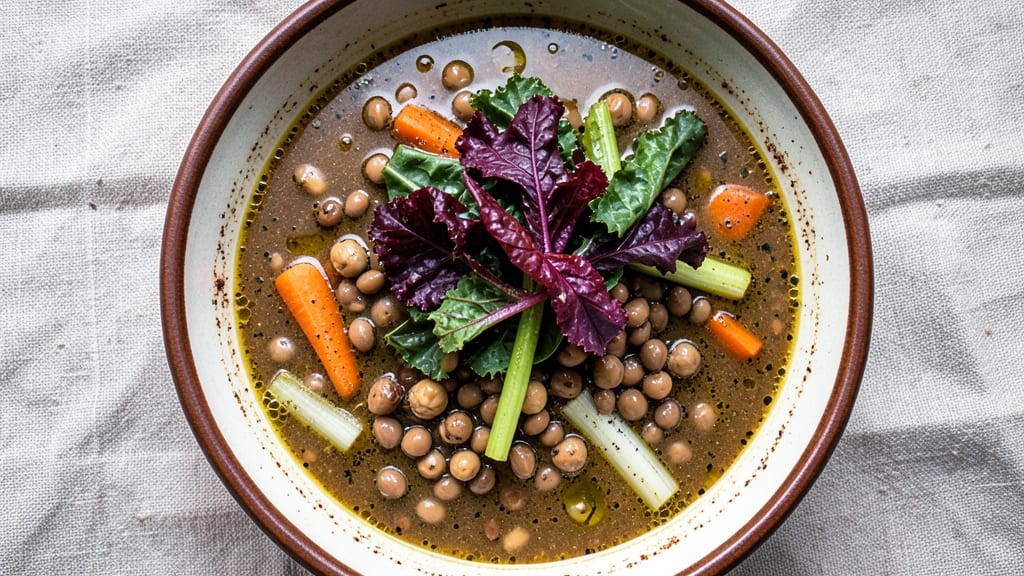
This Blue Zone bean soup recipe transforms humble ingredients into a nutrient-packed meal that aligns with the dietary habits of the world's longest-lived communities. The secret lies in slow-simmered beans, hearty vegetables, and aromatic herbs that create a deeply satisfying broth without relying on processed ingredients.
What makes this soup special is its balance of protein, fiber, and antioxidants—all derived from whole foods like lentils, kale, and garlic. The long simmering process (about 45 minutes) allows flavors to meld while preserving nutrients, making it both nourishing and deeply flavorful.
This recipe proves that longevity-friendly eating can be simple, comforting, and delicious.
The result is a rich, earthy soup with tender beans, vibrant vegetables, and a savory broth that's perfect for meal prep or a cozy weeknight dinner. Garnish with a drizzle of olive oil and fresh thyme for an extra layer of freshness that ties everything together.
Whether you're exploring plant-based eating or seeking meals that support long-term health, this soup delivers on both fronts. The ingredients are easy to find, and the method is straightforward—ideal for anyone looking to eat well without sacrificing flavor.
Ingredients for blue zone bean soup
Sixteen whole-food ingredients crafting a nutrient-rich soup inspired by longevity hotspots worldwide.
| Ingredient | Amount | Notes |
|---|---|---|
| Brown Lentils 🌱 | 1 ½ cups | Dried, rinsed thoroughly |
| Dried Chickpeas 🥜 | 1 cup | Soaked overnight for even cooking |
| Black Beluga Lentils 🌱 | ½ cup | For extra texture and earthiness |
| Kale Leaves 🥬 | 4 cups | Chopped, stems removed |
| Carrots 🥕 | 2 whole | Medium, peeled and sliced |
| Celery Stalks 🧅 | 3 whole | Cut into 1-inch pieces |
| Yellow Onion 🧅 | 1 whole | Diced, medium size |
| Garlic Cloves 🧄 | 4 cloves | Freshly minced for aromatic depth |
| Extra-Virgin Olive Oil 🫒 | ¼ cup | For sautéing vegetables |
| Vegetable Broth 💧 | 6 cups | Low-sodium preferred |
| Fresh Thyme Leaves 🌿 | ¼ cup | Chopped, or 1 tbsp dried |
| Fresh Rosemary 🌿 | 1 tbsp | Chopped, or 1 tsp dried |
| Cumin Seeds 🌶️ | 1 tsp | Toasted lightly for warmth |
| Ground Cinnamon 🌶️ | ½ tsp | For subtle sweetness |
| Sea Salt 🧂 | 1 ½ tsp | Adjust to taste |
| Lemon Juice 🍋 | 1 tbsp | Freshly squeezed for brightness |
The lentils and chickpeas form the protein backbone—brown lentils hold their shape beautifully, while black beluga lentils add a luxurious texture. Opt for organic dried beans from Whole Foods bulk bins or Trader Joe's for superior quality; avoid pre-cooked canned varieties, which often contain added sodium. Kale is non-negotiable here: prefer organic when possible to minimize pesticide residue, and store unwashed in a sealed container for up to 5 days in the fridge. For the garlic, freshly minced makes all the difference—peel and chop just before sautéing to preserve its volatile oils.
Substitutions should preserve the soup's nutritional integrity. No lentils? Swap in white beans or cannellini beans (drained and rinsed thoroughly), though cooking time may vary. Kale unavailable? Spinach or Swiss chard work equally well—just add them later to prevent wilting. The vegetable broth can be homemade (simmer onion, carrot, and celery scraps) or a low-sodium store-bought brand like Imagine or Pacific Foods. For the herbs, dried thyme and rosemary are acceptable at one-third the amount, but fresh delivers superior aroma. The cumin seeds should be toasted in a dry pan for 30 seconds before adding to deepen their flavor profile—this step is critical for authentic Blue Zone depth.
This soup's flavors deepen overnight, making it ideal for meal prep. Store in glass containers in the refrigerator for up to 5 days or freeze for 3 months in airtight containers. For reheating, simmer gently on the stove with an extra splash of water to restore creaminess. Garnish with a drizzle of extra-virgin olive oil and extra fresh thyme just before serving—this final touch elevates the dish from hearty to extraordinary. The lemon juice should be added last to preserve its bright acidity, balancing the earthy flavors of the beans and vegetables.
Why You'll Love This Recipe
- I’ll be real: this recipe saved me last month when my grocery budget was tight. Lentils, dried chickpeas, and carrots are all cheap staples, but they pack a flavor wallop that feels luxurious. No fancy ingredients, no waste—just pure, hearty goodness that fills you up without breaking the bank. (Yes, even on a Tuesday night.)
- One-Pot Wonder: I swear by this recipe when I’m too tired to wash a million dishes. Just toss in the brown lentils, chickpeas, and beluga lentils—no pre-soaking, no fuss—and let them simmer. The carrots and kale practically cook themselves, while I sip wine and pretend I’m not making dinner.
- Earthy, Rich Depth: Between us, the black beluga lentils add this incredible chew and a nutty punch that makes it feel like a restaurant dish. The chickpeas soften just enough to soak up the broth, and the kale? It wilts into something so tender it disappears between bites. Honestly, I’ve never met a bean soup that tasted this satisfying.
- Meal Prep MVP: This soup gets better the next day—yes, really. I make a double batch every Sunday because it’s my go-to for lunches, potlucks, or when my college-aged kid forgets to eat. The lentils hold up perfectly, and the flavors meld into something even more complex. Plus, it’s the kind of dish that makes you look like a hero when you bring it to a gathering.
Step-by-Step instructions for Blue Zone bean soup
A nutrient-dense, fiber-rich soup that captures the essence of longevity cuisine with every spoonful.
Toast the Spices and Sauté the Aromatics
Heat the 0.25 cup extra-virgin olive oil in a large Dutch oven over medium heat. Add the 1 teaspoon cumin seeds and toast for 30 seconds until they release their warm, earthy aroma—you'll smell it immediately. Remove the pan from heat briefly and add the 0.5 teaspoon ground cinnamon, stirring to blend.
Return the pan to the heat and add the 1 whole yellow onion and 3 whole celery stalks (cut into 1-inch pieces). Cook for 5-6 minutes until the onion becomes translucent and the celery softens slightly. Add the 2 whole carrots (peeled and sliced) and continue cooking for another 4-5 minutes until all vegetables begin to soften and develop a golden hue. This foundational step builds the soup's complex flavor profile.
Build the Flavor Base with Garlic and Herbs
Add the 4 cloves garlic cloves (freshly minced) and cook for 30 seconds until fragrant but not browned—burnt garlic will make the soup bitter. Stir in the 1 tablespoon fresh rosemary (chopped) and 0.25 cup fresh thyme leaves (chopped), cooking for 1 minute to release their essential oils. The kitchen should now be filled with a rich, herbal aroma that signals your base is ready.
This is where the soup's depth of flavor begins. The herbs infuse the oil with their aromatic compounds, creating a fragrant foundation that will carry through the entire cooking process. Don't rush this step—properly developed aromatics make all the difference in a complex dish like this.
Combine Legumes and Liquid for Simmering
Add the 1.5 cups brown lentils, 1 cup dried chickpeas (soaked overnight), and 0.5 cup black beluga lentils to the pot. Stir to coat the legumes with the aromatic oil and spices, then pour in the 6 cups vegetable broth. Bring to a gentle boil over high heat, then immediately reduce to low heat and cover partially. Simmer for 45 minutes without stirring—this prevents the legumes from breaking apart and ensures even cooking.
After 45 minutes, check the legumes for doneness. They should be tender but still hold their shape with a slight bite. If they're not quite soft enough, continue simmering for another 10-15 minutes. The key is to develop flavor without overcooking, which can make the legumes mushy. The soup should have a rich, earthy aroma that fills the kitchen.
Incorporate Vegetables and Final Seasoning
Add the 4 cups kale leaves (chopped, stems removed) to the pot and stir gently to distribute them evenly. Simmer uncovered for 10 minutes until the kale wilts completely and the soup thickens slightly. Season with 1.5 teaspoons sea salt, adjusting to taste—this is where you balance all the flavors you've built.
Remove from heat and stir in the 1 tablespoon lemon juice. This final touch brightens the soup, cutting through the richness of the legumes and adding a refreshing acidity. The lemon juice also enhances the natural sweetness of the carrots and the earthiness of the kale, creating a harmonious flavor profile that's both satisfying and healthful.
Rest and Serve for Optimal Texture
Let the soup rest for 10 minutes before serving. This allows the flavors to meld completely and the legumes to absorb any remaining liquid, resulting in a thicker, more cohesive texture. The resting period also lets the kale rehydrate fully, ensuring each bite delivers the perfect balance of texture and flavor.
Ladle the soup into bowls and serve immediately. The final product should be hearty yet light, with tender legumes, vibrant greens, and a depth of flavor that comes from slow simmering and proper seasoning. This is the kind of soup that nourishes both body and soul, embodying the principles of Blue Zone longevity cuisine.
Pro Tips For Making Blue Zone Bean Soup
- SOAK THE CHICKPEAS: I learned this the hard way—skipping the overnight soak for dried chickpeas means they’ll turn mushy and split while simmering. Toss them in cold water with a pinch of baking soda (yes, really) for 8+ hours, then drain before adding to the pot. Your soup will thank you with perfect texture.
- SIMMER LOW AND LONG: This isn’t a fast-food dish—keep the heat at a gentle boil for the first 30 minutes, then drop to a low simmer. I used to rush it, and the beluga lentils stayed firm while the brown lentils turned to paste. Patience here makes the difference between a thick, hearty soup and a sad, watery one.
- CHOP KALE SMALL: Big kale leaves won’t soften properly and leave you with a mouthful of chewy stems. Stack the leaves, roll tightly, and slice into thin ribbons—about ½-inch wide. Toss them in last 10 minutes of cooking so they wilt just enough to be tender without dissolving.
- CARROTS IN, CARROTS OUT: Add diced carrots early for color, but pull them out when they’re just tender-crisp (about 15 minutes before the beans are done). Overcooked carrots turn to mush and make the soup gluey. Save the extra carrots for salads or snacks—your soup’s texture will be cleaner and more balanced.
Troubleshooting perfect results
Legumes Too Soft
If your beans turn mushy after simmering, you likely overcooked them. The key is 45 minutes maximum for brown lentils and chickpeas—check doneness at 40 minutes using a fork. If they're still firm, continue simmering for 5-10 minutes more.
For black beluga lentils, 30 minutes is ideal. I've found that reducing heat to low after the initial boil prevents overcooking while maintaining flavor. 🌱
Broth Too Thin
A common issue is ending up with watery soup. To fix this, simmer uncovered for the final 10 minutes to reduce the liquid naturally. If it's still too thin, mash ¼ cup of the cooked lentils against the pot's side to thicken the broth.
Alternatively, add 1 tablespoon cornstarch mixed with 2 tablespoons water, stir in, and simmer for 5 minutes. Always taste before adjusting—sometimes the broth just needs more salt to feel richer.
Herbs Lose Flavor
Fresh herbs can disappear into the soup if added too early. Always add thyme and rosemary with the garlic during Step 2, but kale should go in last (Step 4). For extra potency, bruise the thyme leaves between your fingers before adding.
If your soup tastes bland, finish with 1 extra tablespoon fresh thyme or a sprig of rosemary as garnish. Dried herbs work too—just use ⅓ the amount and add them with the legumes in Step 3.
Sour or Bitter Taste
This usually means the lemon juice was added too early or the garlic burned. To prevent bitterness, add lemon juice only at the very end (Step 4) and never cook garlic longer than 30 seconds.
If your soup tastes off, balance it with ½ teaspoon more cinnamon or a pinch of sea salt. A drizzle of extra-virgin olive oil before serving also helps round out flavors. Trust me, this adjustment saved my first batch when I rushed the lemon addition.
Vegetables Undercooked
Carrots and celery should be tender but still hold their shape. If they're still crunchy after 10 minutes in Step 4, simmer uncovered for 5 more minutes. For kale, chop stems finely—they take longer to soften.
I like to blanch kale separately for 2 minutes in boiling water before adding it to the soup if I'm short on time. This ensures perfect texture without overcooking the legumes. 🥕
Meal Prep Gone Wrong
Storing soup incorrectly can ruin its texture. Always cool it quickly in an ice bath before refrigerating to prevent bacterial growth. For reheating, never microwave directly—transfer to a pot with ¼ cup water and simmer on low heat for 10 minutes.
If the soup seems dry, add 2-3 tablespoons broth at a time. I store leftovers in glass containers with a tight seal and freeze portions in silicone molds for easy single-serving reheats. Label with dates to avoid freezer burn!
Nutrition facts
Frequently asked questions
Can I make this soup without soaking the chickpeas?
Yes, but it will take longer to cook. If you skip soaking, increase simmering time to 60-75 minutes and check for doneness frequently. For best results, use a pressure cooker (20 minutes on high pressure) to save time while keeping texture intact.
What makes this a "Blue Zone" soup?
This recipe draws from longevity hotspots where plant-based, whole-food diets are key. The combination of legumes (protein), vegetables (fiber), olive oil (healthy fats), and herbs (antioxidants) mirrors traditional Okinawan or Mediterranean patterns linked to long lifespans. The slow cooking preserves nutrients while building depth of flavor.
How can I adjust this for a pressure cooker?
Sauté aromatics as directed, then add all legumes, broth, and spices. Seal and cook on high pressure for 20 minutes. Quick-release the pressure, stir in kale, and simmer 5 minutes to wilt. Add lemon juice last. The pressure cooker cuts time by half while maintaining texture—perfect for busy weeknights!
Is this soup naturally gluten-free?
Yes! All ingredients are naturally gluten-free. Just ensure your vegetable broth is certified gluten-free (some brands use wheat-based thickeners). The lentils, beans, and vegetables provide all the protein and fiber without any gluten-containing grains.
Can I substitute canned beans for dried?
You can, but with adjustments. Use 2 (15 oz) cans each of brown lentils and chickpeas, drained and rinsed thoroughly. Reduce simmering time to 20-25 minutes (they're pre-cooked). For black beluga lentils, stick with dried—they hold their shape better. The texture will be slightly softer but still delicious!