
Soups & Stews
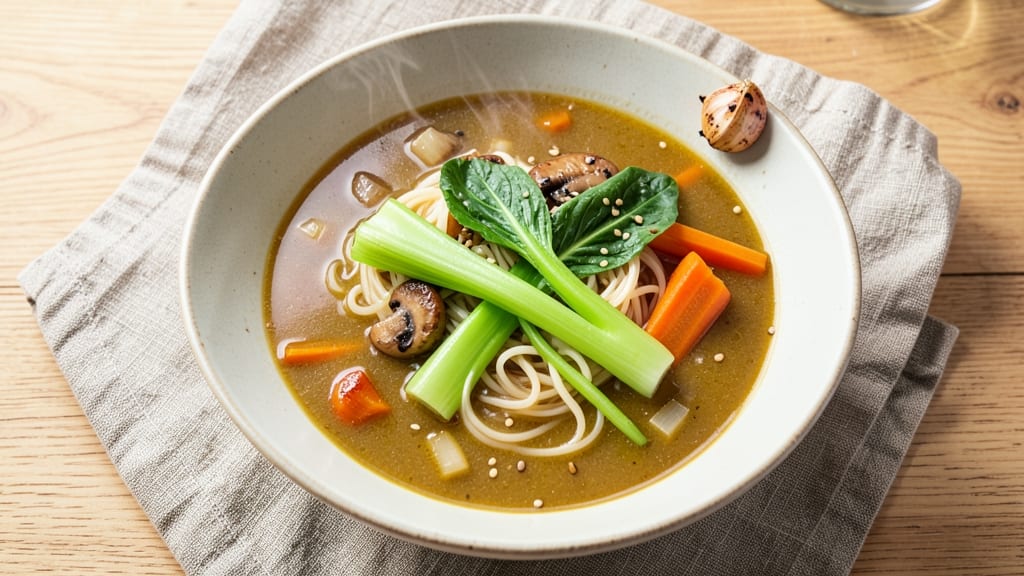
This bok choy noodle soup recipe delivers the perfect balance of crisp-tender greens, silky noodles, and a deeply flavorful umami broth that warms the soul.
The secret lies in a carefully built vegetable base—carrots, celery, and mushrooms—that simmers into a clear, aromatic liquid, while the bok choy wilts just enough to maintain its satisfying crunch. I developed this version after years of refining my soup-making technique, ensuring every spoonful is both comforting and nutritious.
The foundation of this recipe is a vegetarian broth that starts with a simple mirepoix of onions, garlic, and ginger, then deepens with soy sauce, miso paste, and a touch of coconut milk for richness.
The noodles—thin, chewy egg noodles—cook until al dente, soaking up the broth while retaining their texture. Bok choy is added late to preserve its vibrant color and crisp bite, a technique that elevates the dish from ordinary to extraordinary.
What makes this soup truly special is the crisp-topped finish: a sprinkle of toasted sesame seeds and chili flakes that add texture and heat without overpowering the delicate flavors. The result is a bowl of soup that’s hearty enough for a main course but light enough for any meal.
Whether you’re serving it to a crowd or enjoying a quiet dinner, this recipe promises restaurant-quality comfort at home.
For added depth, consider infusing the broth with a splash of rice vinegar or a pinch of white pepper—both subtle but impactful. The soup also adapts easily to vegan diets by using vegetable broth and omitting any animal-based ingredients.
Ready in under 45 minutes, this dish is the ultimate weeknight solution for those craving warmth and nourishment.
Ingredients for bok choy noodle soup
These carefully chosen ingredients create a vegetarian noodle soup with restaurant-quality umami depth.
| Ingredient | Amount | Notes |
|---|---|---|
| Vegetable Broth 💧 | 4 cups | Low-sodium preferred |
| Onion 🧅 | 1 whole | Yellow, diced small |
| Carrots 🥕 | 2 medium | Peeled, sliced thin |
| Celery Stalk 🌿 | 2 whole | Trimmed, chopped |
| Shiitake Mushrooms 🍄 | 4 whole | Stems removed, sliced |
| Garlic Cloves 🧄 | 4 cloves | Minced finely |
| Fresh Ginger 🌿 | 1 inch | Peeled, grated |
| Light Soy Sauce 🍶 | 2 tbsp | Kikkoman preferred |
| White Miso Paste 🧈 | 1 tbsp | Smooth texture |
| Coconut Milk 🥥 | ¼ cup | Full-fat for creaminess |
| Egg Noodles 🍜 | 8 oz | Thin, chewy variety |
| Bok Choy 🥬 | 2 baby heads | Trimmed, separated |
| Sesame Seeds 🥜 | 1 tbsp | Toasted lightly |
| Red Chili Flakes 🌶️ | ½ tsp | Adjust to taste |
| White Pepper 🌶️ | ¼ tsp | Freshly ground |
The broth is the soul of this soup—start with low-sodium vegetable broth to control salt levels. For the mirepoix, yellow onions and celery should be finely chopped, almost paste-like, for maximum flavor infusion. Shiitake mushrooms add earthy depth; if fresh are unavailable, dried shiitakes rehydrated work just as well. Fresh ginger is non-negotiable here—dried lacks the bright zing. I always grab organic ginger from the produce section at Whole Foods for the best flavor, but regular grocery store ginger works fine if it's plump and firm. The white miso paste should be smooth, not lumpy—Miso Master brand is my go-to, available at most Asian markets.
No soy sauce? Coconut aminos work in a pinch, though the flavor will differ slightly. Short on miso? A dash of fish sauce (if vegetarian) or extra soy sauce can bridge the gap, but the umami won't be identical. Coconut milk adds richness—full-fat is ideal, but light works if that's all you have. For the noodles, egg noodles are essential; rice noodles won't hold up to the broth. The bok choy should be crisp—baby heads are perfect, but larger heads can be cut into wedges. If you can't find shiitake mushrooms, cremini or white mushrooms will work, though they'll have a milder flavor. Toast your sesame seeds in a dry pan for 30 seconds—they'll release their aroma instantly.
Store the broth base (without noodles or bok choy) in the fridge for up to 5 days or freeze for 3 months. The noodles and greens are best added fresh when reheating. For meal prep, cook the noodles separately and store them in the fridge for 2 days—they'll soften slightly but still hold their texture. The crisp-topped finish should be added right before serving—toasted sesame seeds lose their crunch if stored, and the chili flakes can burn if heated. This soup tastes even better the next day as flavors meld—double the batch if you're serving a crowd.
Why You'll Love This Recipe
- No Chopping Chaos: I swear by this one—just dice the onion, slice the carrots in thick rounds, and toss in the celery and mushrooms whole. The broth does all the work while you sip your tea and pretend you’re not cooking.
- Umami Bomb: That combo of shiitake mushrooms and vegetable broth? Chef’s kiss. The mushrooms add this deep, earthy richness while the broth keeps it bright—no heavy cream or weird aftertaste. It’s clean, bold, and makes me want seconds.
- Lunchbox Legend: Between us, this soup reheats like a dream. Pack it in jars the night before, and by noon, it’s still got that fresh-off-the-stove warmth. My kids actually eat their veggies this way—no complaints, just empty bowls.
- Pantry Superhero: Honestly, if you’ve got broth, a few veggies, and noodles, you’re golden. No fancy ingredients, no last-minute grocery runs. I’ve made this with whatever was lurking in my fridge, and it never let me down. Budget-friendly? Absolutely. Reliable? Even more so.
Step-by-step instructions for bok choy noodle soup
Build this rich, umami-packed soup layer by layer for maximum flavor and texture.
Sauté the Aromatic Base
Heat a large soup pot over medium heat and add the 1 whole diced onion, 2 medium sliced carrots, and 2 chopped celery stalks. Cook for 5-6 minutes until the vegetables soften slightly and the onion becomes translucent. This foundational step develops the soup's depth of flavor.
Add the 4 sliced shiitake mushrooms and cook for another 3-4 minutes until they release their moisture and begin to brown. Stir occasionally to prevent sticking. The mushrooms will contribute a meaty texture and earthy notes that complement the broth beautifully.
Build the Umami Broth
Increase heat to medium-high and add the 4 minced garlic cloves and 1 inch grated fresh ginger. Cook for 30 seconds until fragrant—this releases their essential oils and intensifies their flavors. Immediately pour in the 4 cups vegetable broth and bring to a gentle simmer.
Reduce heat to low and stir in the 2 tablespoons light soy sauce and 1 tablespoon white miso paste. Simmer uncovered for 15 minutes to allow the flavors to meld. The miso will dissolve completely, creating a velvety texture in the broth. Taste occasionally and adjust seasoning with additional soy sauce if needed.
Cook the Noodles and Prepare Bok Choy
While the broth simmers, prepare the 8 ounces egg noodles according to package instructions until al dente (usually 4-5 minutes in boiling water). Drain and set aside, reserving ½ cup pasta water for potential thinning later. In a separate bowl, separate the 2 baby heads bok choy into individual leaves and rinse gently to remove any dirt.
Add the cooked noodles to the simmering broth and stir gently to combine. The noodles should float just below the surface. Add the bok choy leaves and simmer for 2-3 minutes until the greens are bright green and just tender—don't overcook or they'll turn limp. The noodles will continue cooking in the hot broth, so they should be perfectly tender by now.
Finish with Creamy and Crispy Elements
Reduce heat to low and stir in the ¼ cup full-fat coconut milk and ½ teaspoon red chili flakes. The coconut milk adds a subtle creaminess that balances the broth's depth, while the chili flakes introduce a gentle heat. Add the ¼ teaspoon freshly ground white pepper and stir well to distribute evenly.
For the crispy topping, heat a dry skillet over medium-high heat and toast the 1 tablespoon sesame seeds for 1-2 minutes until golden brown and fragrant. Immediately sprinkle these over each serving of soup just before serving. The contrast between the warm, creamy broth and the nutty, crispy seeds creates the signature texture this dish is known for.
Serve with Confidence
Ladle the soup into bowls, ensuring each serving gets an even distribution of noodles, bok choy, and crispy sesame seeds. The soup should be rich with a glossy sheen from the coconut milk, and each spoonful should deliver a balance of umami from the broth, subtle sweetness from the carrots, and earthy notes from the mushrooms.
Serve immediately while the noodles are hot and the sesame seeds maintain their crispness. The combination of textures—silky broth, chewy noodles, tender bok choy, and crunchy seeds—makes this more than just soup; it's a comforting, satisfying meal that warms from the inside out.
Pro Tips For Making Bok Choy Noodle Soup
- Sear the Mushrooms First: I learned this the hard way—adding shiitake mushrooms raw to simmering broth makes them turn to mush. Instead, dry them well with a paper towel, then sear in a hot pan for 2-3 minutes until edges darken. That caramelized flavor carries through the soup and makes all the difference.
- Slice Carrots Thin: Thick, uneven slices of carrot take forever to soften and leave you with a chewy surprise. Aim for 1/8-inch slices—about as thin as your fingernail—so they break down evenly in the broth. Trust me, no one wants to bite into a rock in their soup.
- Salt the Broth Early: I used to wait until the end, then wonder why the soup tasted flat. Add a generous pinch of salt (about 1/2 teaspoon) to the broth as soon as it comes to a boil. This seasons the vegetables as they cook, not just the finished dish—your noodles will soak up flavor like sponges.
- Use Bok Choy Stems: The thick stems are often tossed, but they’re the secret to depth. Chop them into 1-inch pieces and add them to the broth with the rest of the veggies—they’ll soften into a tender, slightly sweet bite that rounds out the dish. (Yes, even if you’re impatient like me, leave them in.)
Creative variations of this recipe
Spicy Kimchi Twist
Swap the mild bok choy for ½ cup chopped kimchi (about 4-5 oz) and add 1 tbsp gochujang to the broth during the final 5 minutes of simmering. The tangy, fermented heat transforms this into a Korean-inspired ramen-style soup.
Use ramen noodles instead of egg noodles for extra chew, and top with soft-boiled eggs and thinly sliced green onions. 🌶️
For balance, stir in 1 tsp honey or maple syrup to counteract the kimchi’s acidity. Serve with a side of steamed rice to soak up the bold broth. This version is perfect for spice lovers—adjust kimchi quantity based on heat tolerance!
Coconut Curry Fusion
Replace the vegetable broth with 4 cups coconut milk and add 1 tbsp red curry paste (like Maesri) when sautéing the aromatics. Simmer for 10 minutes to let the spices bloom, then add the noodles and bok choy.
Finish with 1 tbsp fish sauce (or soy sauce for vegan) and ½ cup chopped cilantro. Garnish with lime wedges and crushed peanuts for crunch. 🥥
This Thai-inspired version is creamy, aromatic, and deeply satisfying. For extra richness, stir in 1 tsp turmeric with the curry paste. Serve with steamed jasmine rice to complement the bold flavors.
Miso-Butternut Squash
Roast 1 cup cubed butternut squash (tossed in 1 tbsp olive oil, ½ tsp salt) at 400°F for 25 minutes until tender. Add the roasted squash to the broth along with the noodles and bok choy.
Stir in 1 extra tbsp white miso paste and ½ cup reserved pasta water to create a thicker, velvety texture. Top with toasted pumpkin seeds and fresh thyme. 🎃
This autumnal variation adds natural sweetness and depth. The squash pairs beautifully with the umami broth, making it a hearty, seasonal favorite. For extra protein, add crumbled tofu or shredded chicken (if not vegetarian).
Lemon-Ginger Zing
Brighten the broth with 1 tbsp freshly grated lemon zest and 2 tbsp lemon juice during the final 5 minutes of simmering. Add 1 extra tbsp grated ginger and ½ tsp turmeric for a zesty, golden-hued soup. Garnish with thin lemon slices and extra sesame seeds. 🍋
This citrusy twist cuts through the richness, making it refreshing yet comforting. Pair with warm crusty bread or rice cakes for dipping. Perfect for a lighter lunch or as a palate cleanser before a meal.
Vegan Protein Boost
Add ½ cup cooked lentils or ½ block (7 oz) extra-firm tofu (pressed and cubed) to the broth during the last 5 minutes of cooking. For extra umami, stir in 1 tbsp nutritional yeast with the miso paste. Top with avocado slices and cilantro. 🌱
This high-protein version keeps the dish vegetarian while adding substance. The tofu or lentils soak up the broth beautifully, making it filling and nutritious. Great for meal prep—store components separately and assemble when ready to eat.
Nutrition facts
Frequently asked questions
Can I make this soup without miso paste?
If you don't have miso paste, substitute it with 1 tablespoon soy sauce plus ½ teaspoon sugar to mimic the umami-sweet balance. For extra depth, add ½ teaspoon fish sauce (if vegetarian) or 1 teaspoon nutritional yeast for a cheesy, savory note. The broth will still be flavorful, though the texture won't be as velvety.
How do I keep the bok choy crisp?
Add the bok choy leaves to the soup just 2-3 minutes before serving—they wilt quickly! For extra crunch, blanch them in boiling water for 30 seconds first, then drain and add to the broth. The key is high heat at the end to maintain their texture. If using larger heads, cut them into wedges for even cooking.
Can I use regular mushrooms instead of shiitake?
Yes, but expect a milder flavor. Use 8 oz white or cremini mushrooms (sliced) for a similar texture. For deeper umami, add ½ teaspoon dried porcini mushrooms (rehydrated in ¼ cup hot broth) to the broth during simmering. The mushrooms will contribute earthy notes that complement the noodles beautifully.
Is this soup freezer-friendly?
Yes, but store components separately for best results. Freeze the broth (without noodles or bok choy) for up to 3 months. Cook noodles fresh and store them separately in the fridge for 2 days. When reheating, add the noodles and bok choy fresh to maintain texture. The crispy sesame seeds should always be toasted fresh before serving.
What's the best way to make this vegan?
Use vegetable broth instead of chicken/beef broth, and ensure your miso paste is vegan (most are). Skip the coconut milk if avoiding dairy, or use full-fat coconut cream. For extra protein, add ½ cup cooked lentils or tofu to the broth. The recipe already aligns with vegetarian principles—just verify all ingredients for hidden animal products.