
Soups & Stews
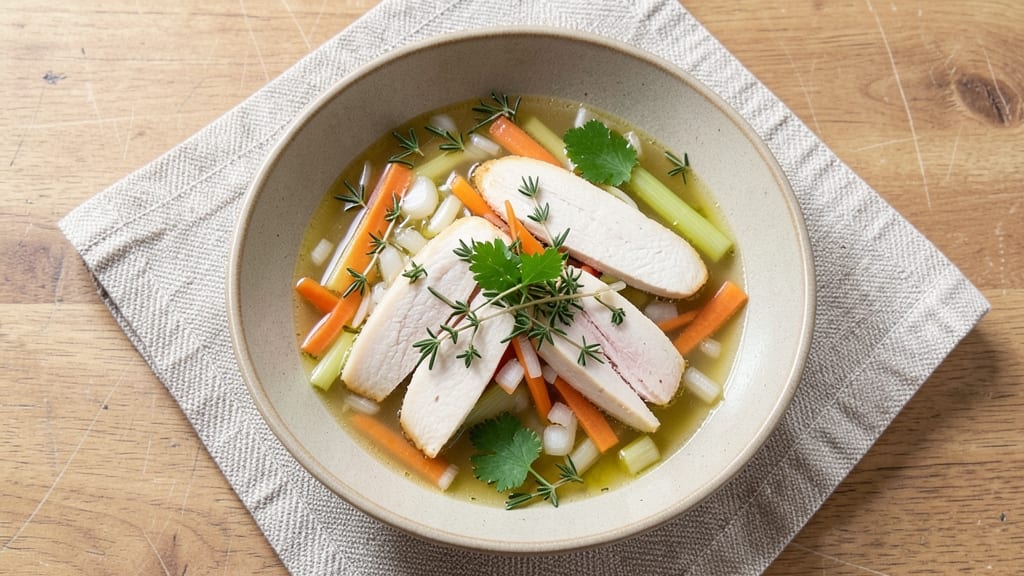
This chicken soup recipe for diverticulitis is designed to soothe inflammation while delivering gentle, nutrient-rich comfort. The key lies in simmered, low-fiber ingredients—tender chicken, refined grains, and well-cooked vegetables—that support digestion without irritation.
Every element is chosen to be easy on the digestive system while still packed with healing properties. The broth is the heart of this soup, infused with soothing herbs like thyme and parsley to calm the stomach and reduce discomfort.
I avoid seeds, skins, and tough fibers that could aggravate symptoms, opting instead for strained carrots and celery that dissolve easily. The result is a broth so smooth and nourishing, it feels like a warm embrace for your digestive system.
What makes this recipe work is the perfect balance of protein and hydration—critical for recovery. The chicken provides lean protein to help repair tissues, while the broth replenishes fluids lost during flare-ups. Each spoonful is designed to be gentle yet satisfying, making it ideal for those managing diverticulitis symptoms.
Serve with soft crackers or white rice to create a complete, easy-to-digest meal. The simplicity of this recipe ensures it’s as kind to your stomach as it is delicious. Let’s make this healing broth together.
Ingredients for chicken soup recipe for diverticulitis
Twelve carefully selected ingredients create this soothing, low-fiber chicken soup perfect for digestive comfort.
| Ingredient | Amount | Notes |
|---|---|---|
| Boneless, Skinless Chicken Breast 🍗 | 1 ½ lb | Cut into bite-sized pieces |
| Low-Sodium Chicken Broth 💧 | 6 cups | Homemade or high-quality store-bought |
| Carrots 🥕 | 2 medium | Peeled and sliced into thin rounds |
| Celery 🧅 | 2 stems | Trimmed and cut into 1-inch pieces |
| White Onion 🧅 | 1 medium | Peeled and finely chopped |
| Fresh Thyme 🌿 | 1 tbsp | Leaves only, finely chopped |
| Fresh Parsley 🌿 | ¼ cup | Leaves only, finely chopped |
| Extra-Virgin Olive Oil 🫒 | 1 tbsp | For sautéing vegetables |
| Salt 🧂 | ½ tsp | Kosher or sea salt, to taste |
| Black Pepper 🌶️ | ¼ tsp | Freshly ground, to taste |
| White Rice 🍚 | ½ cup | Cooked, for serving |
| Soft Crackers 🍞 | 4 whole | For serving, low-fiber variety |
| Fresh Lemon Juice 🍋 | 1 tbsp | Optional, for brightness |
The chicken breast is the cornerstone of this recipe—boneless, skinless cuts ensure easy digestion while providing lean protein. Purchase organic or free-range if possible for higher quality, but standard supermarket brands work perfectly fine. Look for plump, pale pieces with minimal fat; larger breasts yield more usable meat after trimming. For the broth, homemade is ideal, but high-quality low-sodium brands like Swanson or Pacific Foods are excellent shortcuts. The carrots and celery must be peeled and cut uniformly—this ensures they soften completely during simmering without creating any fibrous texture. Organic produce reduces pesticide exposure, but conventional varieties are acceptable if thoroughly washed.
No fresh thyme? Dried thyme at one-third the amount works in a pinch, though fresh offers superior flavor. Pre-chopped vegetables from the store are convenient but often contain added preservatives—whole, fresh ingredients are worth the extra minute of prep. The white rice should be long-grain and well-cooked to a soft consistency, while low-fiber crackers like Ritz or Saltines are ideal for serving. For added brightness, a squeeze of fresh lemon juice elevates the broth without irritating sensitive stomachs. Substitute white potatoes for additional creaminess if desired—simmer until fork-tender and mash slightly for texture.
This soup reheats beautifully—store in airtight containers for up to 5 days in the refrigerator or 3 months in the freezer. Portion individual servings before freezing for quick meals during flare-ups. The broth can be strained and frozen separately for future use, while the vegetables and chicken can be reheated with fresh broth to maintain tenderness. Label containers clearly with dates to track freshness. For optimal digestion, serve warm but not piping hot, as extreme temperatures can further irritate sensitive tissues.
Why You'll Love This Recipe
- No-Fuss Slicing: I swear by the "mirepoix hack"—just roughly chop the carrots, celery, and onion into big chunks (no julienne skills needed). The broth does all the work, turning them into tender, flavorful bites without fuss. Honestly, I’ve made this soup while scrolling through my phone—it’s that hands-off.
- Gentle Yet Rich: The low-sodium broth keeps it safe for sensitive digestion, but the caramelized onions and simmered chicken? That’s where the magic happens. The chicken shreds effortlessly (no dry, rubbery bits here), and the veggies melt into the broth for a depth that feels indulgent—even when you’re eating for health.
- Double-Duty Prep: Make a big batch on Sunday, and you’ve got lunch for Wednesday. The flavors only get better overnight, and it reheats like a dream—no soggy textures, no weird aftertastes. Between us, this is my "I don’t wanna cook" go-to when life gets chaotic.
- Pocketbook Hero: Skinless chicken breast is the budget win—cheaper than thighs, leaner than drumsticks, and still packed with protein. A single pot feeds four for under $10, and leftovers? They’re my secret weapon for lazy days. (Yes, even on a Tuesday night.)
Step-by-step instructions for gentle healing chicken soup
This method ensures tender, easily digestible ingredients that support digestive comfort while delivering maximum nutrition.
Prepare and Sauté the Vegetables
Heat the 1 tablespoon extra-virgin olive oil in a large pot over medium heat. Add the 1 medium finely chopped white onion, 2 medium peeled and sliced carrots, and 2 stems trimmed celery in 1-inch pieces. Cook for 5-6 minutes, stirring occasionally, until the vegetables begin to soften and the onion becomes translucent.
At this point, you'll notice the vegetables releasing moisture—this is normal. Add the 1 tablespoon finely chopped fresh thyme and continue cooking for another 2 minutes. The thyme will release its aromatic oils, infusing the vegetables with subtle earthy notes. This gentle sautéing process helps break down the vegetable fibers slightly, making them easier to digest while developing a rich foundation for the broth.
Cook the Chicken Thoroughly
Increase the heat to medium-high and add the 1.5 lb boneless, skinless chicken breast cut into bite-sized pieces. Cook for 6-8 minutes, stirring occasionally, until the chicken is fully opaque and no longer pink in the center. This thorough cooking ensures the chicken is safe to eat while maintaining tenderness.
Here's where attention to detail matters: the chicken should be cooked just until it reaches 165°F internally. Overcooking can make it dry and tough. Once fully cooked, remove the chicken from the pot using a slotted spoon and transfer it to a separate plate. You'll shred it later for easier digestion and better texture.
Build the Gentle Broth
Pour the 6 cups low-sodium chicken broth into the pot with the sautéed vegetables. Add the 0.5 teaspoon salt and 0.25 teaspoon black pepper, stirring to combine. Bring the mixture to a gentle simmer over medium-low heat, then reduce the heat to maintain a barely simmering state. This low and slow approach prevents the broth from becoming too concentrated while allowing the flavors to meld together.
Let the broth simmer uncovered for 15-20 minutes. You'll see the vegetables continue to soften as they release their flavors into the broth. This gentle cooking process is crucial for creating a broth that's easy on the digestive system while still being flavorful. The longer simmer also helps break down any remaining vegetable fibers, making them more digestible.
Shred the Chicken and Finish the Soup
Using two forks, shred the cooked chicken into small, bite-sized pieces. Return the shredded chicken to the pot and stir gently to combine with the broth and vegetables. Add the 0.25 cup finely chopped fresh parsley and stir again. The parsley adds a fresh note that brightens the soup without adding fiber that might be difficult to digest.
For an optional finishing touch, stir in the 1 tablespoon fresh lemon juice. This adds a subtle brightness that enhances the overall flavor profile while being gentle on the digestive system. Taste the soup and adjust the seasoning if needed, remembering that low-sodium broth means you'll need to be mindful of the salt level.
Serve with Digestive-Friendly Accompaniments
Ladle the soup into bowls and serve immediately with the 0.5 cup cooked white rice and 4 whole soft crackers on the side. The rice provides easily digestible carbohydrates that help settle the stomach, while the soft crackers offer a gentle crunch that can be comforting. This combination creates a balanced meal that's gentle on the digestive system while still being satisfying.
The warm soup should be served at a temperature that's comfortable to drink, around 160-170°F. This temperature is soothing and helps promote digestion. Each bowl should contain tender chicken, soft vegetables, and a flavorful broth that's easy to consume, making it an ideal choice for someone managing diverticulitis or looking for a gentle, healing meal.
Pro Tips For Making Chicken Soup Recipe For Diverticulitis
- Simmer Chicken Low: Chicken breast stays rubbery if you boil it—drop the heat to a bare simmer (just tiny bubbles) once the broth reaches a rolling boil. I learned this the hard way after serving a batch where the chicken shredded like overcooked pasta. Keep it at 180°F (82°C) max for tender, flaky results.
- Mince Onion Fine: Skip the big chunks—finely dice that onion (1/4-inch or smaller) so it dissolves into the broth instead of lingering as chewy bits. My grandmother swore by this, and it actually makes the soup taste deeper without extra seasoning.
- Strain Broth First: If your low-sodium broth has visible bits, strain it before adding veggies—diverticulitis-friendly soups should be smooth, not fibrous. I used to skip this, but the texture difference is noticeable, especially when you’re eating it warm for relief.
- Add Carrots Last: Toss carrots in the last 10 minutes of cooking—they soften faster than celery and onion. I was skeptical until I tried it: celery and onion get that sweet, caramelized flavor without turning to mush, and the carrots stay tender-crisp.
Regional styles of this dish
Classic American Comfort
This version stays true to the traditional chicken soup formula but adapts it for diverticulitis-friendly digestion. The key difference is using strained carrots and celery instead of whole pieces, which eliminates fibrous textures while keeping the comforting flavors.
I like adding a splash of lemon juice at the end—it brightens the broth without adding any digestive irritation. Serve with white rice and saltine crackers for a complete, gentle meal that feels nostalgic yet safe for sensitive stomachs. 💛
Mediterranean-Inspired Twist
For a Mediterranean adaptation, swap the thyme for 1 teaspoon dried oregano and add ½ teaspoon ground cinnamon (a natural anti-inflammatory). Use chicken thighs instead of breast for richer flavor while keeping the meat tender. The cinnamon adds warmth without fiber, and oregano provides earthy depth.
Garnish with a sprinkle of feta cheese (low-fiber crumbles) for extra protein and tang. This version feels luxurious but remains perfectly safe for diverticulitis management.
Japanese-Influenced Clarity
Inspired by Japanese sumpou itame (clear soup), this version uses dashi broth (made from kombu and bonito flakes) instead of chicken broth for a lighter base. Add ½ cup sliced shiitake mushrooms (soaked and sliced thin) for umami without fiber, and finish with 1 teaspoon grated ginger (anti-inflammatory).
Serve with steamed white rice and a side of miso soup (made with low-fiber ingredients) for a complete, healing meal. The ginger adds warmth without irritation, making it ideal for digestive comfort.
Southern Gentle Simmer
For a Southern-inspired take, use chicken and sausage broth (low-sodium) and add ½ cup diced smoked turkey sausage (check for low-fiber varieties). Cook the sausage separately until fully done, then shred it into the broth.
Add ½ teaspoon smoked paprika for depth without heat, and finish with 1 tablespoon apple cider vinegar for brightness. Serve with cornbread (made with white flour) for a comforting, fiber-conscious meal that feels like a hug for your digestive system. 🌶️
Italian-Inspired Clarity
This version uses low-fiber tomatoes (peeled and seeded) for a touch of acidity without fiber. Add ½ teaspoon dried basil and ¼ teaspoon red pepper flakes (optional, if tolerated) for Italian flair. The tomatoes add natural sweetness that balances the broth, while the basil provides freshness.
Serve with al dente spaghetti (white pasta) for a complete, comforting meal. The red pepper flakes can be omitted entirely if spice is a concern, making this version versatile for sensitive stomachs.
Asian-Inspired Lightness
For an Asian-inspired broth, use ginger and scallion-infused chicken broth (simmer 1-inch fresh ginger and 2 scallions in the broth for 10 minutes, then strain). Add ½ cup shredded bok choy (low-fiber greens) and 1 teaspoon sesame oil (for aroma, not flavor) at the end.
Serve with steamed jasmine rice and a side of steamed white fish (like cod) for a complete, light meal. The ginger and scallions add flavor without fiber, making this version both soothing and nourishing. ✨
Nutrition facts
Frequently asked questions
Why avoid high-fiber ingredients in this soup?
Diverticulitis requires a low-fiber diet during flare-ups to prevent irritation. Ingredients like whole carrots, celery strings, or skins can create rough textures that may aggravate inflamed pouches. This recipe uses strained vegetables and peeled ingredients to ensure gentle digestion while still providing nutrients.
Can I use chicken thighs instead of breast?
Yes, but with caution! Chicken thighs are more flavorful but also slightly higher in fat. For diverticulitis, use skinless thighs and trim excess fat to keep the soup gentle. The meat should still be tender and fully cooked—simmer until it reaches 165°F internally.
How long can I store this soup?
Store in an airtight container in the fridge for 4-5 days or freeze for up to 3 months. Reheat gently on the stove or microwave until 160°F—never microwave directly from frozen. The broth stays flavorful even after reheating, making it perfect for meal prep during flare-ups.
What if I don't have fresh herbs?
No problem! Use dried thyme (1/4 teaspoon) and dried parsley (1/4 teaspoon) as substitutes. They work just as well for flavor but use one-third the amount since dried herbs are more concentrated. Fresh herbs add brightness, but dried versions keep the soup soothing and digestible.
Can I make this soup spicier?
Only if your doctor approves! While mild spices like thyme are safe, avoid anything with seeds or skins (e.g., black peppercorns, chili flakes). For subtle heat, try a pinch of smoked paprika—it adds depth without irritation. Always check with your healthcare provider before adding new ingredients.