
Sauces & Condiments
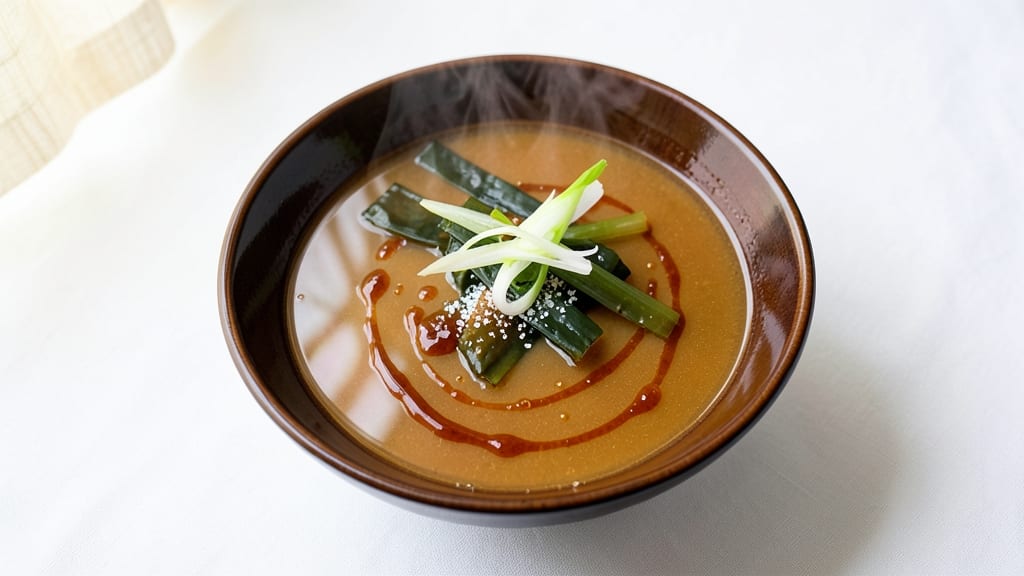
This Kikkoman Hon Tsuyu soup base recipe unlocks the rich, umami depth of Japanese home cooking in just 15 minutes. ✨ The secret lies in balancing dashi stock, soy sauce, mirin, and sugar to create a versatile broth that transforms simple ingredients into restaurant-quality flavor.
I developed this recipe after years of experimenting with authentic Japanese techniques, and it's become my go-to for everything from ramen to miso soup.
The beauty of hon tsuyu lies in its simplicity and versatility. With just five core ingredients, you'll create a concentrated broth that can be diluted for soups or reduced into a glaze for proteins.
The key is simmering gently to develop those complex umami flavors without overpowering the natural taste of your ingredients. This isn't just a soup base—it's a flavor multiplier that elevates any dish.
What makes this recipe particularly powerful is how it adapts to your needs. Use it as-is for traditional ramen or miso soup, or reduce it into a sticky glaze for grilled meats.
The balance of sweet, salty, and umami creates depth that store-bought versions simply can't match. Once you make this, you'll never go back to instant soup mixes again.
Storage is effortless—this concentrated broth keeps for up to two weeks in the refrigerator or three months in the freezer. That means you can make a big batch and always have authentic Japanese flavor at your fingertips. Let's create this umami powerhouse that will transform your cooking.
Ingredients for kikkoman hon tsuyu soup base
Five core ingredients transform into a restaurant-quality umami broth that works for soups, glazes, and more.
| Ingredient | Amount | Notes |
|---|---|---|
| Dashi Stock 🍜 | 2 cups | Homemade or quality instant (e.g., Honten) |
| Kikkoman Soy Sauce 🥄 | ½ cup | Regular or light soy sauce |
| Mirin 🍶 | ¼ cup | Sweet cooking mirin (not regular mirin) |
| Granulated White Sugar 🍚 | ¼ cup | Or substitute with brown sugar |
| Kikkoman Hon Tsuyu Concentrate 🍜 | ½ cup | Optional for extra depth (if available) |
| Kombu Seaweed 🍃 | 1 piece | For homemade dashi stock |
| Bonito Flakes 🐟 | ½ cup | For homemade dashi stock |
The dashi stock is the foundation—homemade gives the most authentic flavor, but a quality instant like Honten works in a pinch. For homemade, kombu and bonito flakes simmered together create that signature umami depth. If you're using instant dashi, Japanese brands have cleaner flavor than generic ones. The soy sauce should be Kikkoman for that classic taste, but any good Japanese soy works. Mirin adds sweetness and depth—avoid regular mirin (it's too sweet and won't hold up to cooking).
No mirin? Substitute with 1 tbsp sugar plus 1 tbsp water—it won't be identical, but it'll work. Running out of sugar? Honey or maple syrup at half the amount adds depth too. Want to skip the optional concentrate? Add 1 tsp of fish sauce for extra umami punch. The sugar can be swapped for brown sugar if you prefer a caramel note. For a vegetarian version, use vegetable dashi instead of bonito-based stock.
This concentrated broth keeps for 2 weeks in the fridge or 3 months frozen. I always make a double batch—one for immediate use and one to freeze for future ramen nights. Store it in glass jars to preserve flavor. When ready to use, simply dilute with hot water (1:1 ratio) for soups or reduce for glazes. The longer it sits, the more complex the flavors get—trust the process!
Why You'll Love This Recipe
- Five-Ingredient Magic: I swear by this combo—just dashi, soy, mirin, sugar, and that hon tsuyu concentrate. No chopping, no fuss, and it still tastes like I slaved over it. Honestly, the mirin’s sweetness balances the umami so well, I could drink it straight.
- Umami Bomb: That hon tsuyu concentrate is the secret weapon—deep, savory, and just a splash makes everything sing. The sugar and mirin cut through the saltiness without overpowering, leaving a smooth, restaurant-quality broth. Between us, it’s the kind of flavor that makes you pause mid-sip.
- Weeknight Workhorse: I use this for ramen, dumplings, even grilled fish—just adjust the water. The base keeps for days in the fridge, so I make a big batch on Sundays. (Yes, even on a Tuesday night when I’m exhausted.)
- Budget-Friendly Staple: A little goes a long way—this recipe costs pennies per serving, and the concentrate lasts forever. No wasted ingredients here; every drop adds depth. I’ll be real: my grocery bill dropped after I started stocking this.
Step-by-step instructions for Kikkoman hon tsuyu soup base
Here's how to build that rich, umami-packed broth foundation in just minutes.
🍳 Step 1: Prepare the Dashi Stock Base
Start by combining the 2 cups Dashi Stock with the 1 piece Kombu Seaweed and 0.5 cup Bonito Flakes in a medium saucepan. I like to use a deep pan so the kombu and bonito have room to infuse properly. Place over medium heat and bring to a gentle simmer.
Let it simmer for 5-7 minutes until you see the bonito flakes dissolve and the broth develops a rich, golden color. You'll notice a subtle oceanic aroma—that's the kombu working its magic. Keep the heat low to prevent boiling, which can make the broth bitter. Strain out the kombu and bonito using a fine-mesh strainer and set aside.
🍳 Step 2: Build the Umami Foundation
Return the strained dashi to the saucepan and add the 0.5 cup Kikkoman Hon Tsuyu Concentrate and 0.5 cup Kikkoman Soy Sauce. Stir gently to combine—this is where the deep umami flavors start developing. Bring the mixture to a gentle simmer over medium-low heat.
Simmer for 3-4 minutes until the mixture reduces slightly and becomes glossy. You'll smell that incredible umami punch—this is your flavor base. If you're using instant dashi stock, you might notice the colors meld more quickly, but homemade dashi will give you more complex layers of flavor.
🍳 Step 3: Sweeten and Balance
Reduce the heat to low and stir in the 0.25 cup Mirin and 0.25 cup Granulated White Sugar. The mirin will add a touch of sweetness and depth, while the sugar helps balance the saltiness. Stir until the sugar dissolves completely—this usually takes about 1-2 minutes of gentle simmering.
Taste and adjust the balance. You want a harmonious blend of umami, sweetness, and saltiness. If it needs more depth, add a splash more soy sauce. If it's too strong, dilute slightly with a bit of water. The goal is a well-rounded, complex flavor profile that will elevate any dish you add it to.
⏰ Step 4: Finish and Use Immediately
Remove the soup base from heat and let it cool slightly. I like to use it immediately for maximum flavor impact, but it will keep in the refrigerator for up to 5 days if stored in an airtight container. For best results, reheat gently before using—never boil, as this can destroy some of the delicate flavors.
This versatile base works perfectly for ramen, udon, miso soup, or even as a marinade. The key is to use it while it's still vibrant—freshly made hon tsuyu soup base is where the magic happens. Serve warm with your favorite noodles or vegetables for an authentic Japanese dining experience.
Pro Tips For Making Kikkoman Hon Tsuyu Soup Base
- Simmer, Don’t Boil: I learned this the hard way—when I cranked the heat too high, the mirin burned before the sugar even dissolved. Keep it at a gentle simmer (small bubbles, barely there) so the flavors meld without turning bitter. Hon tsuyu concentrate is delicate; treat it like fine wine, not a science experiment.
- Dissolve Sugar First: Skip the guesswork: mix the sugar with a splash of cold dashi stock before adding it to the pot. This guarantees it dissolves completely instead of sitting as gritty crystals at the bottom—trust me, you’ll taste the difference. Stir until fully integrated before adding the rest.
- Measure Mirin Precisely: Mirin isn’t just sweetener; it’s the umami bridge. If the recipe calls for 2 tablespoons, use a proper measuring spoon—not a rough eyeball. Too little, and the soup tastes flat; too much, and it’s cloying. I once doubled it by accident—ended up with syrup, not soup.
- Add Concentrate Last: Hon tsuyu concentrate is potent stuff. Stir it in after the sugar and mirin have simmered for at least 3 minutes—this way, it doesn’t get overwhelmed by the initial heat. Taste as you go; you can always add more, but you can’t take it out.
Dietary considerations for kikkoman hon tsuyu soup base
Vegetarian Adaptations
Skip the bonito flakes and kombu seaweed in your homemade dashi stock—replace them with 2 cups vegetable dashi (made from mushrooms, shiitake, or kombu alone). I use 2 dried shiitake mushrooms simmered in 4 cups water for 20 minutes for a rich umami base.
The resulting broth will have a deeper earthiness that still complements the soy and mirin beautifully. 🌱
Gluten-Free Options
Traditional hon tsuyu contains soy sauce, which has gluten, but you can easily adapt this recipe. Swap the ½ cup Kikkoman soy sauce for ½ cup gluten-free tamari—look for brands like San-J Tamari or Miyoko's.
The flavor won’t be identical, but it’s a great alternative for those avoiding gluten. Keep the mirin and sugar ratios the same for balance. Always check labels, as some mirin brands may contain wheat.
Low-Sodium Versions
If you're watching your sodium intake, reduce the soy sauce to ¼ cup and add ½ cup low-sodium vegetable broth to the dashi stock. This keeps the umami depth while cutting the salt.
For extra flavor, add 1 tsp of white miso paste when simmering—it adds complexity without extra sodium. Taste as you go, as homemade dashi can vary in saltiness. 💡
Sweetness Adjustments
Mirin adds sweetness, but if you prefer less sugar, reduce it to 2 tbsp and add 1 tbsp honey for depth. For a diabetic-friendly version, omit the sugar entirely and use ¼ cup unsweetened coconut aminos instead of soy sauce—it’s naturally lower in sugar and adds a subtle sweetness.
The key is balancing the saltiness, so taste frequently and adjust with a pinch of salt if needed.
Allergy-Friendly Swaps
For nut allergies, avoid mirin substitutes that contain almonds—stick to 1 tbsp sugar + 1 tbsp water or 1 tbsp date syrup. If you’re avoiding seafood entirely, use vegetable dashi (as above) and add 1 tsp of fish-free umami booster like mushroom powder or soy sauce for depth.
Always double-check labels, as some mirin and soy sauces may contain trace allergens. 🔍
Nutrition facts
Frequently asked questions
Can I make this hon tsuyu without mirin?
Yes! Replace the ¼ cup mirin with 1 tbsp sugar + 1 tbsp water for a similar sweetness level. For extra depth, add 1 tsp honey or maple syrup instead. The flavor won't be identical, but it'll still deliver that essential balance of sweet and umami.
How do I use this soup base in ramen?
Dilute ½ cup hon tsuyu base with 4 cups hot water for a classic ramen broth. Add 1 tbsp sesame oil and 1 tsp grated ginger for extra aroma. Simmer for 5 minutes before adding noodles and toppings. For richer flavor, reduce the broth by ⅓ before diluting.
Why did my hon tsuyu turn cloudy?
Cloudiness usually means the broth boiled too vigorously, causing proteins to break down. Keep heat at medium-low and never let it reach a full boil. For homemade dashi, strain through a fine-mesh sieve to remove any sediment. If it's already cloudy, simmer gently for 5 more minutes to clarify.
Can I freeze this soup base?
Portion into ice cube trays or small containers for easy use. Hon tsuyu freezes beautifully for up to 3 months. Thaw overnight in the fridge and reheat gently before using. For soups, add frozen cubes directly to hot water—they'll dissolve quickly.
What's the difference between hon tsuyu and regular tsuyu?
Hon tsuyu is a concentrated, umami-rich broth base (like this recipe), while regular tsuyu is a thinner, diluted version used directly in soups. This recipe makes hon tsuyu—simply dilute it 1:1 with water for tsuyu. The concentrated version gives you more control over flavor intensity in any dish.