
Soups & Stews
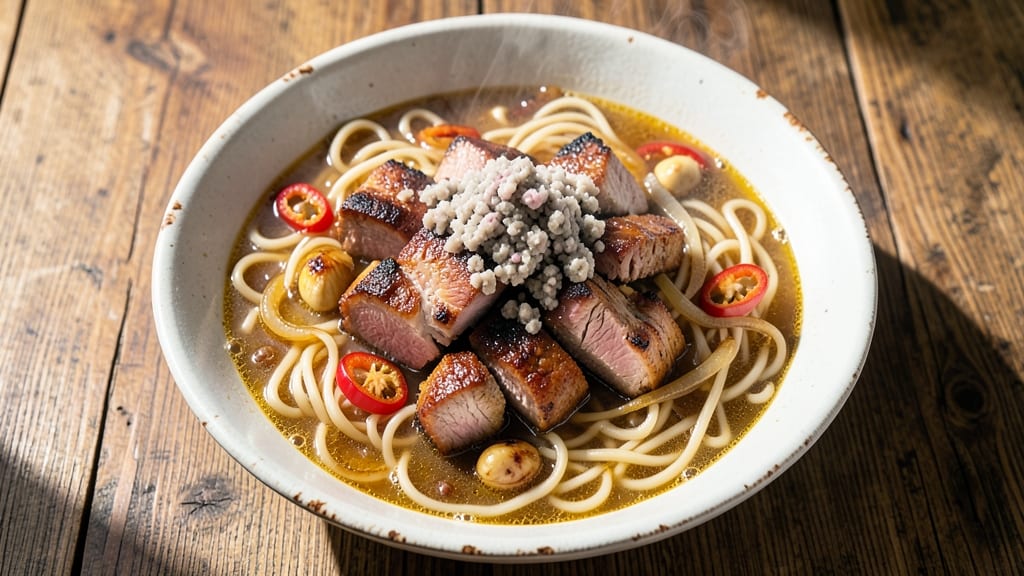
This batchoy soup recipe delivers the ultimate Filipino breakfast experience—crispy noodles, silky egg ribbons, and a rich, savory broth that balances umami and tang. The secret lies in the layered flavors: tender pork, fermented shrimp paste (bagoong), and fresh vegetables all simmered into a fragrant base.
I've perfected this recipe to capture the soul of Cebu's iconic street food, where every spoonful offers a satisfying crunch and melt-in-your-mouth texture.
What sets batchoy apart is its simplicity and speed—ready in under 30 minutes—yet it feels like a restaurant-quality meal. The broth starts with a deep, pork-infused base, then brightens with tangy vinegar and fresh herbs.
The egg ribbons, cooked in the hot broth, add a delicate, almost custard-like texture that contrasts beautifully with the crispy noodles. This dish is more than soup; it's a full breakfast that balances hearty flavors and satisfying textures.
The magic happens in the assembly: crispy noodles, tender pork, fresh vegetables, and those signature egg ribbons all come together in one bowl. The broth should be rich but not heavy, with just enough vinegar to cut through the richness.
Topped with fresh herbs and a sprinkle of crispy garlic, it’s a dish that feels both nostalgic and fresh—perfect for a weekend brunch or a cozy weeknight meal.
Serve it with extra noodles on the side and let everyone customize their bowl. The contrast of textures—crunchy noodles, tender pork, and silky egg ribbons—makes every bite unforgettable. This recipe is a celebration of Filipino comfort food, brought to life in your own kitchen.
Ingredients for batchoy soup
Crispy noodles, tender pork, and silky egg ribbons create this Filipino breakfast masterpiece.
| Ingredient | Amount | Notes |
|---|---|---|
| Batchoy Noodles 🍜 | 8 oz | Freshly dried, crispy texture preferred |
| Pork Shoulder 🥩 | 1 lb | Cut into 1-inch cubes, bone-in preferred |
| Bagoong Alamang 🦐 | 2 tbsp | Fermented shrimp paste, essential for umami |
| Garlic Cloves 🧄 | 8 cloves | Minced, for crispy garlic topping |
| Onions 🧅 | 1 whole | Yellow or red, sliced into half-moons |
| Fresh Chili Peppers 🌶️ | 2 whole | Siling labuyo or Thai bird's eye, sliced |
| Fresh Eggs 🥚 | 4 whole | Large, for silky egg ribbons |
| Coconut Milk 🥥 | ½ cup | Full-fat for creaminess, canned preferred |
| Cane Vinegar 🍶 | 2 tbsp | White or black, for tangy brightness |
| Fish Sauce 🐟 | 1 tbsp | Reduction-grade for depth of flavor |
| Fresh Cilantro 🌿 | ¼ cup | Chopped, for fresh herb garnish |
| Green Onions 🧅 | 3 whole | Thinly sliced, for garnish |
| Vegetable Oil 🫒 | 2 tbsp | For frying noodles and pork |
| Salt 🧂 | 1 tsp | Kosher or sea salt, to taste |
| Black Pepper 🌶️ | ½ tsp | Freshly ground for heat |
The pork shoulder is non-negotiable for authentic flavor—bone-in cuts infuse the broth with rich collagen, while pre-cut cubes save time. Look for well-marbled meat at your local Asian market or butcher shop, where they often carry Filipino specialty cuts. Bagoong alamang, the fermented shrimp paste, is the soul of batchoy—sourced from Filipino grocers or online retailers like FilipinoMart. If unavailable, a mix of anchovy paste and shrimp paste works in a pinch, though the flavor won't be identical. Fresh batchoy noodles (dried, not fresh) are essential—they develop that signature crispy texture when fried, which is impossible with regular egg noodles.
No bagoong alamang? A blend of 1 tbsp fish sauce and 1 tbsp shrimp paste mimics the umami, though it lacks the funky depth. Siling labuyo peppers are ideal for heat, but Thai bird's eye or serrano peppers work if you can't find them. The coconut milk adds richness, but half-and-half or heavy cream can substitute if you're avoiding dairy. For the egg ribbons, room-temperature eggs create the silkiest texture—crack them directly into the hot broth for that signature look. The fish sauce should be reduction-grade (like Red Boat or Tiparos) for maximum flavor impact. If your broth needs more tang, extra vinegar is the answer—Filipino cane vinegar is best, but apple cider vinegar works too.
Batchoy reheats beautifully—store broth and toppings separately to maintain crispiness. The pork and noodles keep for 3 days in the fridge, while the broth can be frozen for up to 3 months. For meal prep, portion the broth into ice cube trays and freeze—just thaw and reheat with fresh toppings. The bagoong and fish sauce should be stored in the fridge once opened, and fresh herbs like cilantro last 5 days wrapped in damp paper towels. Pro tip: Fry the noodles in batches to avoid sogginess, and keep the garlic oil warm for crispy garlic topping—this is the secret to restaurant-quality batchoy
Why You'll Love This Recipe
- No Chopping Chaos: Honestly, I swear by this recipe because you’re basically done after mincing garlic and slicing onions—no fancy techniques here. The pork shoulder does all the heavy lifting while you sip coffee and pretend you’re not cooking.
- Umami Bomb: That bagoong alamang paste? It’s the secret weapon—salty, funky, and cheap in a way that makes the broth sing. One spoonful and suddenly your batchoy tastes like a proper Cebuano feast, not just noodles in broth.
- Leftover Hero: Between us, this soup begs to be made in bulk. The noodles soften perfectly the next day, and the pork gets even more tender—ideal for lazy mornings or when your roommate "forgets" to eat their half.
- Pocket-Friendly Feast: Pork shoulder and batchoy noodles are dirt cheap, and bagoong alamang stretches flavor without breaking the bank. I’ve fed six people for under $15, and no one complained (okay, maybe my picky cousin, but she’s always like that).
Step-by-step instructions for batchoy soup
This Filipino breakfast staple delivers crispy noodles, tender pork, and silky egg ribbons in under 45 minutes.
Prepare the Pork and Aromatics
Heat the 2 tablespoons vegetable oil in a large pot over medium-high heat. Add the 1-pound pork shoulder cut into 1-inch cubes and sear until golden brown on all sides, about 5-6 minutes. This develops deep flavor through the Maillard reaction.
Remove the pork and set aside. In the same pot, add the 1 whole onion sliced into half-moons and 2 whole fresh chili peppers sliced. Sauté for 3-4 minutes until softened but not browned. Add the 8 cloves minced garlic cloves and cook for 30 seconds until fragrant. Here's the thing—don't let the garlic burn, or it'll turn bitter and overpower the dish.
Build the Batchoy Base
Return the pork to the pot and add 2 tablespoons bagoong alamang, stirring to combine. Cook for 1 minute to toast the shrimp paste and release its umami depth. Pour in 2 cups hot water (enough to submerge ingredients) and bring to a gentle simmer. Add 1 tablespoon fish sauce and 1 teaspoon salt—this balances the rich flavors while enhancing the broth.
Simmer uncovered for 15 minutes until the pork is tender and the broth reduces slightly. You'll notice the pork releases juices that meld with the bagoong alamang, creating that signature savory Filipino broth. Skim off any foam that rises to the surface for a cleaner broth.
Fry the Batchoy Noodles
While the pork simmers, heat 1 tablespoon vegetable oil in a separate skillet over medium heat. Add the 8 ounces batchoy noodles and fry for 2-3 minutes until they turn golden brown and develop a crispy texture. This is the secret to authentic batchoy—crispy noodles contrast perfectly with the silky broth.
Remove the noodles and drain on paper towels. Don't overcrowd the skillet or the noodles will steam instead of crisp. The fried noodles should hold their shape but still be flexible enough to bend slightly. If they break easily, they're overcooked.
Create the Egg Ribbons
In the same skillet used for frying noodles, add 1 tablespoon vegetable oil and heat over medium-low heat. Crack 4 whole fresh eggs into the skillet, letting them spread naturally. Cook for 1-2 minutes until the edges begin to set but the centers remain runny. Here's the trick—don't stir the eggs. Instead, gently tilt the pan to distribute the liquid egg evenly.
When the eggs are 80% set but still slightly wobbly in the center, use a spatula to lift the edges and pour 2 tablespoons cane vinegar over the eggs. Immediately fold the egg mixture into silky ribbons and remove from heat. The vinegar adds tangy brightness that cuts through the richness of the pork and coconut milk.
Assemble and Finish
Return the fried batchoy noodles to the pork broth and simmer for 2 minutes to warm through. Add the 0.5 cup coconut milk and 0.5 teaspoon black pepper, stirring gently to combine. The coconut milk adds a subtle creaminess that balances the savory broth without overpowering it.
Divide the batchoy among 4 bowls, topping each with egg ribbons, 0.25 cup chopped fresh cilantro, and 3 whole green onions sliced thinly. Serve immediately while the noodles maintain their crisp texture and the egg ribbons remain silky. The contrast of temperatures—crispy noodles, warm broth, and silky eggs—is what makes batchoy truly special.
Pro Tips For Making Batchoy Soup
- SEAR THE PORK FIRST: Cut the pork shoulder into big chunks, then brown them in a hot pot with a splash of oil before adding anything else. I learned this the hard way—skipping the sear means your broth will taste more like boiled meat than rich, caramelized pork. Let those chunks get deep golden, even if it takes a few minutes.
- USE FRESH BAGOONG ALAMANG: Don’t grab the old, dried-up jar from the back of your pantry. Fresh bagoong alamang (or at least the freshest you can find) makes a real difference—its umami punch cuts through the richness of the pork fat and balances the broth. If you’re using the fermented kind, mash it into the broth after the pork has simmered for 30 minutes, not at the start.
- DON’T BOIL THE NOODLES: Batchoy noodles are delicate—tossing them into boiling water will turn them mushy. Instead, cook them separately in a pot of slightly salted water (like pasta) for 2-3 minutes, then drain and add them to the soup just before serving. This keeps them chewy and prevents the broth from turning cloudy.
- SIMMER LOW AND LONG: After the pork has browned and the broth starts, reduce the heat to the lowest setting you can stand and let it bubble gently for at least 2 hours. I know, it’s tempting to rush, but this is where the magic happens—the collagen breaks down, and the broth goes from thin to velvety. Cover it loosely and check occasionally—no need to stir constantly, just let it work.
Serving suggestions for this dish
Crispy Noodle Presentation
Serve batchoy in wide, shallow bowls to showcase the crispy noodles and egg ribbons. I use stoneware bowls from Le Creuset—they hold heat well and elevate the presentation. Arrange the fried noodles in a sunburst pattern around the bowl's edge, leaving the center open for the egg ribbons.
This creates visual appeal while keeping the textures distinct. 🍜
Egg Ribbon Placement
The egg ribbons should be the star of your bowl. Place them in the center, slightly overlapping like delicate lace. For extra drama, drizzle a few drops of garlic oil (from frying the garlic) over the eggs just before serving.
This adds a crispy, aromatic finish that ties everything together. The contrast of the golden egg against the dark broth is stunning.
Garnish Like a Pro
Fresh herbs and crispy toppings make all the difference. Sprinkle chopped cilantro and thinly sliced green onions over each bowl—this adds color and freshness. For that restaurant-quality touch, fry extra garlic cloves in oil until golden and sprinkle them on top.
The crispy garlic adds another layer of texture that keeps every bite exciting.
Broth Temperature Tip
Batchoy should be served steaming hot—around 185°F—to maintain the crispiness of the noodles. If the broth cools too quickly, cover the bowls loosely with a soup lid or parchment paper while serving.
This keeps the heat in without making the noodles soggy. Pro tip: Serve with extra fried noodles on the side so guests can add more as they eat.
Family-Style Serving
Batchoy is a shared experience, so serve it family-style in a large ceramic dish at the center of the table. Let everyone customize their bowls with extra toppings.
I love setting out small bowls of crispy garlic, extra chili peppers, and fresh herbs so guests can adjust the heat and freshness to their taste. This interactive approach makes it feel like a special occasion, even for a weeknight meal. 🌶️
Pairing with Filipino Sides
Complete the meal with classic Filipino sides like garlic fried rice or tortang talong (eggplant omelet). These dishes complement the rich flavors of batchoy without overpowering it. For a lighter option, serve with steamed white rice and a simple mango salad to balance the hearty soup.
The contrast of textures and temperatures makes the whole meal unforgettable.
Nutrition facts
Frequently asked questions
Can I make batchoy without bagoong alamang?
Yes! You can substitute with 1 tbsp fish sauce + 1 tbsp shrimp paste for umami depth, though it won't be identical. For extra funk, add 1 tsp fermented black beans or ½ tsp oyster sauce. The key is balancing the salty-savory notes—don't skip the cane vinegar for brightness.
Why do the noodles turn soggy when added to the broth?
This happens when the fried noodles sit too long before assembly. Keep them in a single layer on paper towels and add to the broth just before serving. For extra crispiness, reheat the noodles in a dry skillet for 30 seconds before adding to the bowl.
What's the best way to store leftovers?
Store the broth separately from toppings to maintain texture. Keep fried noodles in an airtight container for up to 3 days, and reheat in a dry pan for 1-2 minutes before serving. The broth freezes well for 3 months—thaw in the fridge and reheat with fresh toppings.
Can I use chicken instead of pork?
Swap pork for bone-in chicken thighs (they stay juicier) and reduce simmering time to 10-12 minutes. For extra flavor, marinate the chicken in 1 tbsp soy sauce + 1 tsp black pepper before cooking. The broth will be lighter but still delicious.
How do I make the egg ribbons extra silky?
Use room-temperature eggs and cook them on low heat until just set (80% cooked). The vinegar trick is key—pour it over the eggs when they're still slightly runny, then fold quickly. For extra luxury, add 1 tsp coconut milk to the egg mixture before cooking.