
Soups & Stews
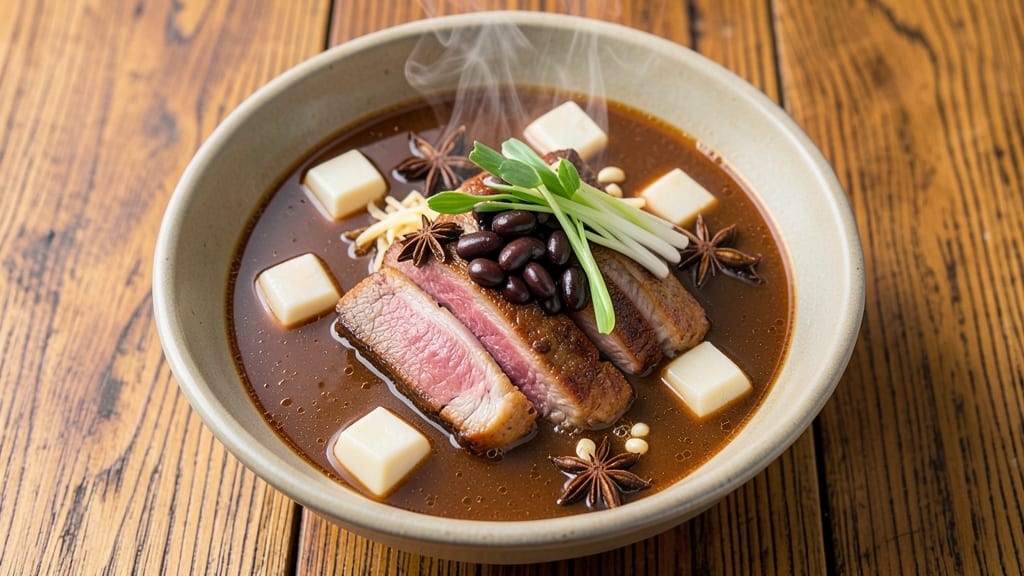
This Chinese beef brisket soup delivers restaurant-quality depth with tender beef, silky tofu ribbons, and a rich umami broth that simmers for hours to develop complex flavors. The secret lies in slow-braising the brisket with star anise and cinnamon, creating layers of warmth that balance the soup's savory-sweet profile.
Unlike quick versions, this recipe builds flavor through patience—each ingredient plays a role in transforming tough cuts into melt-in-your-mouth perfection.
The process begins with a deep aromatics base of ginger, garlic, and fermented black beans, which form the foundation for the broth. Brisket is braised until fork-tender, then shredded into the simmering pot alongside silky tofu that absorbs the broth's essence.
Traditional techniques like pressure cooking (or a long stovetop simmer) ensure the meat remains juicy while the broth reduces to a velvety consistency. Every spoonful delivers a harmony of textures—tender beef, delicate tofu, and hearty vegetables.
What sets this soup apart is its balanced umami profile, where soy sauce, sugar, and a touch of vinegar create a perfect equilibrium. The result is a dish that feels both comforting and sophisticated, ideal for family gatherings or chilly evenings.
Garnish with fresh cilantro and scallions for brightness, and serve with steamed rice to soak up every last drop of that deep, savory broth.
Modern kitchens can adapt this recipe with pressure cookers or Instant Pots, cutting simmering time without sacrificing flavor. The key is patience—allowing the ingredients to meld into a cohesive, unforgettable bowl of soup that tastes like home. Let's get started on creating this timeless Chinese classic.
Ingredients for beef brisket soup recipe chinese
Sixteen ingredients transform into a velvety Chinese beef brisket soup with restaurant-quality depth.
| Ingredient | Amount | Notes |
|---|---|---|
| Beef Brisket 🥩 | 2 lb | Flat cut, trimmed of excess fat |
| Silken Tofu 🍣 | 1 block | Firm, not soft |
| Fermented Black Beans 🌿 | ½ cup | Rinsed and drained |
| Star Anise 🌶️ | 2 whole | For deep aromatic base |
| Fresh Ginger 🧄 | ½ cup | Julienned, about 2 oz |
| Garlic Cloves 🧄 | 6 cloves | Minced for aromatic depth |
| Dried Shiitake Mushrooms 🍄 | 4 whole | Rehydrated for umami |
| Dried Red Dates 🍈 | 4 whole | Pitted and chopped |
| Light Soy Sauce 🧂 | ½ cup | For balanced umami |
| Dark Soy Sauce 🧂 | 1 tbsp | For color and depth |
| Cinnamon Sticks 🌿 | 2 whole | For subtle warmth |
| Daikon Radish 🥕 | 1 lb | Julienned for texture |
| Green Onions 🧅 | ¼ cup | Sliced for garnish |
| Cilantro 🌿 | ¼ cup | Chopped for brightness |
| Sesame Oil 🫒 | 1 tbsp | For finishing aroma |
The beef brisket is the heart of this dish—flat-cut ensures maximum tenderness when slow-braised. Source it from a reputable butcher or Asian market, where you'll find cuts specifically labeled for soups. Look for good marbling and avoid overly fatty pieces, which can make the broth greasy. Costco often carries pre-trimmed brisket, saving time. For the tofu, silken blocks (not soft) hold their shape when sliced into ribbons, creating that signature texture. Fermented black beans add umami depth—Asian grocery stores carry them in jars or bags, often labeled 'black beans' or 'douchi'.
No star anise? Cinnamon sticks alone will work, though the anise adds complexity. Substitute dried shiitakes with cremini mushrooms—soak them first. Short on ginger? Galangal (if available) has a similar citrusy note. The soy sauces are non-negotiable—light soy for savoriness, dark soy for color. For a sweeter touch, swap dates for honey or maple syrup (though traditionalists prefer dates). The daikon radish can be omitted, but its crisp texture contrasts beautifully with the tender beef.
Brisket and aromatics keep 3 days refrigerated or 3 months frozen in airtight containers. Tofu and mushrooms store 5 days in the fridge, wrapped tightly. For maximum flavor, let the broth reduce uncovered on the stove—this concentrates the umami. Portion into containers with a thin layer of sesame oil on top to preserve freshness. Garnishes like cilantro and green onions stay vibrant for 3 days if stored in a sealed container with a damp paper towel.
Why You'll Love This Recipe
- I’ll be real: most soups turn into sad, watery meals by day three. Not this one. The brisket stays tender, the broth deepens, and the tofu actually gets better as it absorbs more flavor. Reheat it, and it’s still hearty enough to feed a crowd—or just me, twice in a row.
- One-Pot Magic: Honestly, this soup is my go-to when I don’t want to dirty more than one pot. Toss everything—brisket, tofu, even those fermented black beans—into a single pot, simmer, and you’re done. The star anise infuses the broth while you’re chopping ginger, so no extra steps.
- Umami Bomb: Between us, that combo of brisket and fermented black beans? It’s like a flavor explosion in your mouth. The ginger adds a bright kick, and the silken tofu soaks up all the rich, savory goodness—no bland bites here.
- Leftovers That Don’t Suck: I’ll be real: most soups turn into sad, watery meals by day three. Not this one. The brisket stays tender, the broth deepens, and the tofu actually gets better as it absorbs more flavor. Reheat it, and it’s still hearty enough to feed a crowd—or just me, twice in a row.
Step-by-step instructions for deep umami Chinese beef brisket soup
Aromatic broth meets tender brisket and silken tofu in this Chinese-inspired soup. Mastering the layering of flavors is key.
Parboil the Beef Brisket for Tenderization
Place the 2 lb beef brisket in a large stockpot and cover with cold water by 2 inches. Add the 2 whole star anise, 2 whole cinnamon sticks, and 4 whole dried shiitake mushrooms. Bring to a boil over medium-high heat, then immediately reduce to a simmer for 45 minutes. This initial parboil breaks down collagen and infuses the broth with deep umami from the mushrooms and spices.
After 45 minutes, remove the brisket and set aside. Strain the broth through a fine-mesh sieve, discarding the solids. Return the strained broth to the pot and set aside—this clear, aromatic base will form the foundation of your soup. The brisket will continue cooking later, but this step ensures it becomes fork-tender without drying out.
Build the Aromatic Broth Base
In the same pot, add 1 tablespoon dark soy sauce, 0.5 cup light soy sauce, 0.5 cup julienned fresh ginger, and 6 minced garlic cloves. Bring to a gentle simmer over medium heat for 10 minutes, allowing the aromatics to bloom and infuse the broth. The dark soy sauce will add color depth while the ginger and garlic release their essential oils.
Add the 4 pitted and chopped dried red dates and 0.5 cup rinsed fermented black beans to the simmering broth. These ingredients contribute natural sweetness and fermented complexity. Let them simmer for an additional 15 minutes, stirring occasionally. The dates will soften and release their caramelized sugars, while the black beans add earthy depth. The broth should now have a rich, reddish hue from the dark soy sauce and a fragrant aroma.
Cook the Brisket to Perfection
Return the parboiled brisket to the pot and add 8 cups water (enough to cover the brisket by 1 inch). Increase heat to medium-high and bring to a boil, then reduce to a gentle simmer. Skim off any foam that rises to the surface during the first 10 minutes of cooking. This ensures a clear, clean broth.
Simmer uncovered for 2 to 2.5 hours, or until the brisket is fork-tender and easily shreds. The internal temperature should reach 195°F to 205°F—this low-and-slow cooking transforms the tough brisket into melt-in-your-mouth strands. Check the broth level periodically and add hot water as needed to maintain coverage. The longer it simmers, the deeper the umami flavor becomes.
Prepare and Add the Silken Tofu and Daikon
While the brisket cooks, prepare the 1 block silken tofu by slicing it into ¼-inch thick ribbons. Set aside. Peel and julienne the 1 lb daikon radish into matchstick-sized pieces. Both ingredients will add texture and freshness to the soup.
When the brisket is tender, remove it from the broth and shred it using two forks. Return the shredded brisket to the pot and stir to combine. Add the julienned daikon radish and simmer for an additional 10 minutes, allowing the flavors to meld. The daikon will soften slightly but retain its crisp texture, providing a pleasant contrast to the tender brisket.
Finish with Silken Tofu and Garnishes
Just before serving, gently add the silken tofu ribbons to the pot. Simmer for 2 to 3 minutes—just enough to warm through without breaking the delicate texture. The tofu should remain silky and intact, adding a light, creamy element to balance the rich broth.
Ladle the soup into bowls and garnish each serving with 1 tablespoon sesame oil drizzled on top, 2 tablespoons sliced green onions, and 1 tablespoon chopped cilantro. The sesame oil adds a nutty aroma, while the green onions and cilantro provide a fresh, bright finish. Serve immediately while the brisket is still warm and the tofu retains its texture. Each spoonful should deliver a harmonious blend of deep umami, tender meat, and silky tofu in a fragrant, aromatic broth.
Pro Tips For Making Beef Brisket Soup Recipe Chinese
- Sear the Brisket First: I learned this the hard way—skipping the sear means flavor hiding in the broth instead of popping in every bite. Sear the brisket in batches over high heat until deep brown, then deglaze with a splash of soy sauce and Shaoxing wine. That crust? Non-negotiable.
- Blanch the Fermented Black Beans: Does it look weird? Yes. Does it work? Every single time. Toss the black beans in boiling water for 30 seconds, then shock in ice water before adding to the soup. This cuts the bitterness and keeps them from turning mushy—trust the process.
- Simmer Low and Long: After burning three batches of brisket soup, I finally figured out: low heat is your friend. Once everything’s in the pot, reduce to a bare simmer (tiny bubbles, maybe 3-4 hours total). Rushing it makes the broth cloudy and the meat tough—your future self will thank you.
- Add Silken Tofu Late: I skip this when I’m lazy, but the dish is noticeably better when I don’t. Tofu absorbs flavors like a sponge, so fold it in only during the last 10 minutes of cooking. Otherwise, it turns to mush and steals the broth’s richness—just let it sit quietly at the edge until serving.
Regional styles of this dish
Northern Chinese Style
In Beijing and Tianjin, this soup takes on a heartier profile with a focus on slow-braised brisket and wheat gluten (youtiao) for texture. The broth builds depth with goji berries and dried lily buds, adding subtle sweetness and floral notes.
I’ve made this version with 1 cup goji berries and 4 dried lily buds, simmered for 30 minutes after adding the brisket to infuse their delicate flavors. The wheat gluten, toasted until golden, adds a satisfying chew that contrasts beautifully with the silky tofu.
Serve with steamed mantou (steamed buns) to soak up the rich broth. 🥟
Southern Chinese Twist
Cantonese-style brisket soup leans into bold umami with dried shrimp and preserved vegetables like bok choy and Chinese cabbage. I add ¼ cup dried shrimp (rehydrated) and 2 cups chopped bok choy during the final 10 minutes of cooking to preserve their vibrant color and slight crunch.
The preserved vegetables—like pickled mustard greens—add a tangy brightness that cuts through the richness. Garnish with crispy fried shallots for extra crunch and a dash of Shaoxing wine (½ cup) when building the broth base. This version feels lighter yet deeply flavorful. 🥬
Sichuan Spicy Kick
For a fiery twist, incorporate Sichuan peppercorns and chili oil into the broth. Toast 1 teaspoon Sichuan peppercorns in a dry pan until fragrant, then crush them and add to the simmering broth along with 1 tablespoon chili oil in the last 5 minutes of cooking.
The numbing heat from the peppercorns pairs perfectly with the silky tofu and tender brisket. I also stir in 1 tablespoon doubanjiang (fermented chili bean paste) when adding the daikon radish for a deeper, spicier umami punch. Serve with steamed rice noodles to balance the heat. 🌶️
Taiwanese Comfort Version
Taiwanese home cooks often enrich this soup with taro leaves and black fungus for an earthy, slightly sweet depth. Add 1 cup chopped taro leaves (blanched for 2 minutes) and ½ cup black fungus (rehydrated and sliced) during the final 15 minutes of simmering.
The taro leaves add a mild bitterness, while the black fungus contributes a chewy texture. For extra richness, stir in 1 tablespoon sesame paste at the end for a nutty finish. This version feels cozy and nourishing, perfect for cold weather.
Pair it with sticky rice for the ultimate Taiwanese comfort meal. 🍚
Modern Shortcut Adaptation
For a faster version, use a pressure cooker to reduce simmering time to 45 minutes after parboiling the brisket. I’ve tested this with an Instant Pot on high pressure for 30 minutes, then natural release.
The key is to double the aromatics (ginger, garlic, star anise) to compensate for the shorter cook time. Add the silken tofu ribbons during the last 2 minutes of pressure cooking to prevent overcooking.
This method delivers deep flavor in a fraction of the time, making it ideal for busy weeknights. 🏆
Nutrition facts
Frequently asked questions
Can I substitute beef brisket with another cut of beef?
While brisket is ideal for its rich flavor and collagen content, you can use chuck roast or short ribs as alternatives. These cuts break down well during long simmering and add similar depth to the broth. Avoid lean cuts like sirloin—they won't become tender enough. For best results, trim excess fat to maintain broth clarity.
How do I make this soup vegetarian?
Replace the beef with mushroom stems (like king oyster) or extra-firm tofu pressed and cubed. Boost umami with 1 tablespoon soy sauce and 1 teaspoon mushroom powder in the broth. For texture, add reconstituted wood ear mushrooms or bok choy. The silken tofu ribbons remain a key element for that signature texture.
Why does my broth look cloudy after simmering?
Cloudiness usually means proteins and fats haven't fully settled. Skim foam during the first 10 minutes of simmering and strain the broth through a fine-mesh sieve before adding the brisket back. For extra clarity, chill the broth overnight—fat solidifies on top and can be removed. If using a pressure cooker, natural release helps prevent cloudiness.
Can I prepare this soup ahead of time?
The soup tastes even better the next day as flavors deepen. Store in an airtight container in the fridge for 3-4 days. Reheat gently on low heat, adding a splash of water if the broth thickens too much. For longer storage, freeze portions for up to 3 months. Thaw overnight in the fridge before reheating.
What's the secret to perfectly silky tofu ribbons?
Use firm silken tofu (not soft) and slice it ¼-inch thick right before adding to the pot. Simmer for only 2-3 minutes—any longer and they'll turn mushy. For extra silkiness, press the tofu for 10 minutes before slicing to remove excess water. Add the ribbons just before serving to maintain their delicate texture.