
Soups & Stews
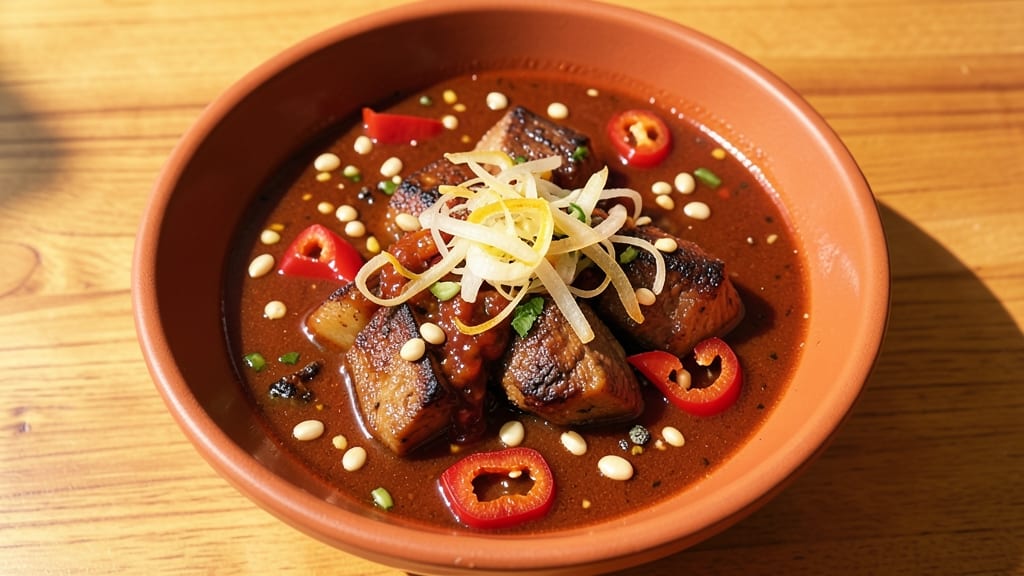
This beef egusi soup recipe delivers the rich, nutty depth of West African tradition in every spoonful—where tender beef meets velvety egusi paste for a dish that feels like home. 💛 The secret lies in slow-simmered broth that develops layers of umami, while the ground melon seeds create that signature thick, earthy texture that makes this soup unforgettable.
What sets this recipe apart is the balance of techniques: browning the beef for deep flavor, blending fresh egusi seeds into a smooth paste, and simmering everything just long enough to let those flavors meld without losing texture.
Every bite combines tender beef, hearty vegetables, and that distinctive nutty richness that defines authentic egusi soup. By the time you serve it, you’ll have a pot of soup that’s rich enough to stand alone but pairs perfectly with pounded yam, rice, or swallows.
The aroma alone will have everyone gathered at the table, and the first taste will confirm why this dish is a staple in so many homes. Whether you're cooking for family or hosting a gathering, this recipe brings the warmth of tradition to your kitchen—with professional results that taste homemade.
Let’s get started!
Ingredients for beef egusi soup
Sixteen ingredients to bring West African warmth to your kitchen. Nothing exotic—just good stuff.
| Ingredient | Amount | Notes |
|---|---|---|
| Beef Chuck Roast 🥩 | 2 lb | Cut into 1.5-inch cubes |
| Fresh Egusi Seeds 🌱 | 1 ½ cups | Soaked overnight, blended |
| Onion 🧅 | 1 whole | Chopped, medium yellow |
| Tomato Paste 🍅 | ½ cup | Smooth, no sugar added |
| Scotch Bonnet Pepper 🌶️ | 1 whole | Seeded, medium heat |
| Ginger Root 🌿 | 1 inch | Fresh, peeled, grated |
| Garlic Cloves 🧄 | 5 cloves | Fresh, minced |
| Vegetable Oil 🫒 | ½ cup | Light, for browning |
| Beef Stock 💧 | 4 cups | Homemade or quality store |
| Spinach Leaves 🌿 | 4 cups | Fresh, chopped |
| Salt 🧂 | 1 ½ tsp | Kosher or sea salt |
| Ground Black Pepper 🌶️ | 1 tsp | Freshly ground |
| Utazi Leaves 🌿 | ¼ cup | Dried, chopped (optional) |
| Locust Beans 🌱 | ½ cup | Dried, soaked and blended |
The beef is non-negotiable here. Chuck roast gives you that melt-in-your-mouth texture, but sirloin works in a pinch if you're short on time. Cut it into even 1.5-inch cubes so it cooks uniformly. For the egusi seeds, African markets or specialty stores have the best selection—look for fresh, unprocessed seeds. If you can't find them, blend your own from melon seeds (soak them first to remove bitterness). The utazi leaves and locust beans? Amazon or West African grocery stores are your best bets—dried versions work just fine for this recipe.
No fresh egusi seeds? Ground egusi paste from a tube is a solid backup, but you'll miss that nutty depth. Short on utazi? Dried thyme at half the amount gives a similar earthy note. The scotch bonnet can be swapped for jalapeño or habanero if you prefer milder heat. For the ginger, powdered works at one-third the amount, but fresh is always better. The spinach? Frozen works too—just thaw and drain well. And if you're making a big batch, double the stock—this soup tastes even better the next day.
This soup is a flavor builder—it gets better with time. Store leftovers in the fridge for up to 5 days or freeze for 3 months. I like to portion it into containers so I can grab a bowl anytime. The egusi paste can be prepped ahead and stored in the freezer for up to 6 months. Just thaw and blend with a splash of water before adding to the pot. The beef stays tender for days, so don't hesitate to make extra—it's perfect for meal prep.
Why You'll Love This Recipe
- No Chopping Needed: I swear by this—just one onion, roughly chopped, and the egusi seeds ground in hot water. No dicing, no mincing, just dump and stir. My lazy Sundays now have flavor.
- Rich Without Effort: That beef chuck roast falls apart after simmering, and the toasted tomato paste? It caramelizes into a deep, smoky base. Honestly, the soup tastes like it’s been simmering for hours—even when it’s not.
- Sunday Leftovers Win: Between us, this soup only gets better the next day. The flavors meld, the beef gets even more tender, and I’ve sent containers home with coworkers who now demand it weekly. (Yes, even on a Tuesday night.)
- Budget Meal for Crowds: A single chuck roast feeds six, and fresh egusi seeds stretch further than you’d think. I’ve served this at family gatherings, potlucks, and my own "I’m broke but fancy" nights—always with zero complaints.
Step-by-step instructions for beef egusi soup
Here's how to create a rich, nutty soup with tender beef and perfectly blended egusi.
🔥 Step 1: Brown the Beef for Deep Flavor
Heat the 0.5 cup vegetable oil in a large pot over medium-high heat. Add the 2 lb beef chuck roast cut into 1.5-inch cubes and brown on all sides. This step is crucial—it develops that caramelized crust that carries so much flavor through the soup. Don't crowd the pot; work in batches if needed to give each piece space to brown properly.
Once the beef is deep golden brown on all sides (about 8-10 minutes total), remove it from the pot and set aside. You'll notice the beef releases some juices—don't wipe them out. Those browned bits, called fond, are packed with flavor that will form the base of your soup. Keep the pot on the heat for now; you'll be using it again.
👨🍳 Step 2: Sauté Aromatics and Build the Base
In the same pot, add the 1 whole chopped onion and cook for 3-4 minutes until softened and translucent. Add the 1 whole seeded Scotch bonnet pepper (wear gloves if you're sensitive to heat) and cook for another 1 minute until fragrant. Then stir in the 1 inch grated ginger root and 5 minced garlic cloves, cooking for 30 seconds until the raw garlic smell disappears.
Now add the 0.5 cup tomato paste and cook for 2 minutes, stirring constantly. This helps deepen the flavors and removes the acidity from the tomato. Pour in the 4 cups beef stock and bring everything to a gentle simmer. Return the browned beef to the pot, making sure it's fully submerged in the liquid. Sprinkle with 1.5 tsp salt and 1 tsp ground black pepper, then cover and let it simmer gently for 1 hour.
🍳 Step 3: Prepare the Egusi Paste
While the beef simmers, it's time to prepare the egusi. First, drain and rinse the 1.5 cups soaked fresh egusi seeds thoroughly. Then blend them with 0.25 cup chopped utazi leaves and 0.5 cup soaked and blended locust beans until you get a smooth, thick paste—almost like peanut butter in consistency. You might need to add a splash of water to help it blend smoothly, but don't add too much or it'll dilute the flavor.
Here's the thing—egusi can be tricky. If your blend has any lumps, strain it through a fine-mesh sieve to ensure a silky texture in your soup. The egusi should be ready just as your beef finishes simmering. This timing is perfect because you'll be adding it hot to the soup, which helps it incorporate smoothly without clumping.
🥘 Step 4: Thicken and Finish the Soup
After the beef has simmered for 1 hour, it should be fork-tender. Carefully ladle out about 2 cups of the beef and stock mixture and set it aside. Then, slowly whisk the egusi paste into the remaining soup in the pot. The soup will thicken immediately, so keep stirring constantly to prevent lumps from forming. Return the reserved beef mixture to the pot and bring everything to a gentle simmer again.
Simmer for another 10-15 minutes, stirring occasionally, until the soup reaches your desired consistency. It should be thick but still spoonable—not gluey. Taste and adjust the seasoning if needed. The egusi adds a natural richness, so you might not need much salt, but don't hesitate to add more if it tastes bland.
🍽️ Step 5: Add Spinach and Serve
Just before serving, stir in the 4 cups chopped spinach leaves. The heat will wilt them almost instantly, incorporating their vibrant green color and mild flavor into the soup. Let the soup sit for 2-3 minutes off the heat to allow the flavors to meld together. The spinach should be completely wilted with no visible leaves remaining.
Ladle the hot soup into bowls and serve immediately. The contrast of the tender beef, nutty egusi, and fresh spinach creates a truly satisfying bowl of soup. For extra richness, you can top each serving with a dollop of palm oil or a sprinkle of fresh parsley. This soup tastes even better the next day as the flavors continue to develop, so make extra if you can—it's that good.
Pro Tips For Making Beef Egusi Soup
- CRUSH THE EGUSI FIRST: Fresh egusi seeds are stubborn—don’t just toss them in raw. Toast them lightly in a dry pan for 2 minutes until fragrant, then grind them into a fine powder with a pinch of salt. I learned this the hard way: unground seeds sink to the bottom like pebbles and ruin the soup’s texture.
- SEAR THE BEEF IN BATCHES: Thick chuck roast releases too much liquid when seared all at once, turning your broth into a sad, watery mess. Cut the meat into 2-inch chunks and brown them in two batches over medium-high heat—this builds flavor without drowning the pan. (Yes, it takes 10 extra minutes, but the difference is night and day.)
- STIR THE TOMATO PASTE: Skip the "dump and stir" approach—tomato paste burns faster than you think. Mix it with 2 tablespoons of water or broth first, then whisk it into the pot while the onions are already sweating. This keeps the paste from seizing and turning your soup into a charred disaster.
- SAVE TIME WITH FROZEN EGUSI: Fresh egusi is a pain to grind, and store-bought powdered versions often taste stale. Freeze your ground egusi in 1-cup portions on a tray, then transfer to a bag. When you’re ready to cook, just scoop and add—no grinding, no mess. (I keep a backup bag in my freezer; trust me, you’ll use it.)
Regional styles of beef egusi soup
Nigerian Style
In Nigeria, beef egusi soup is often served with pounded yam or semovita (a corn-based dough). The soup here is richer, with more locust beans and utazi leaves for that signature earthy depth.
I like to add crayfish or shrimp for extra umami—just toss in ½ cup during the final simmer. The key difference? Nigerian versions frequently include palm oil (about 2 tbsp) for a deeper, almost golden hue and richer mouthfeel. 🥘
Cameroonian Twist
Cameroonian beef egusi soup leans lighter, with a focus on fresh herbs like basil and waterleaf. Swap the utazi leaves for ½ cup fresh waterleaf (or spinach as a backup) and add 1 tbsp fresh basil at the end.
They also use less tomato paste (just ¼ cup) to let the egusi shine. For a true Cameroonian touch, stir in 1 tbsp grated palm kernel at the end for a nutty aroma. 🌿
Ghanaian Adaptation
Ghanaian egusi soup often includes fish or shrimp alongside the beef, creating a seafood-beef hybrid. Use ½ lb shrimp or smoked fish (like dried mackerel) and simmer them with the beef. They also thicken the soup with cassava flour (about 1 tbsp) instead of just egusi.
For extra richness, add 1 tbsp ground crayfish during the final simmer. The result? A lighter, slightly sweeter soup with a unique texture. 🍤
Liberian Variations
Liberian beef egusi soup is heartier, with more vegetables like eggplant and okra. Add 1 cup chopped eggplant and ½ cup sliced okra during the final 10 minutes of cooking. They also use more ginger (up to 1.5 inches) for a spicier kick.
Liberian cooks often serve this with fufu (a dough made from cassava and plantains) instead of yam. The eggplant adds a silky texture that balances the nutty egusi perfectly. 🌶️
Modern Fusion
For a contemporary take, try adding roasted sweet potatoes (about 1 cup cubed) to the soup during the last 15 minutes of cooking. The sweetness contrasts beautifully with the savory beef and nutty egusi.
Another fun twist? Stir in ½ cup coconut milk at the end for a creamy, tropical note. Top with toasted pumpkin seeds for crunch and serve with jasmine rice for a fusion-friendly meal. 🌱
Nutrition facts
Frequently asked questions
Can I substitute fresh egusi seeds with store-bought ground egusi?
You can use store-bought ground egusi, but fresh seeds create a smoother, more flavorful paste. If using ground egusi, reduce the amount by 20% (about 1.2 cups for this recipe) since it's more concentrated. For best results, blend your own paste from soaked seeds—it makes a noticeable difference in texture and taste.
How do I prevent the egusi soup from getting too thick?
Start with 1.5 cups fresh egusi seeds and adjust as you go. If the soup thickens too much, whisk in 2-3 tablespoons of warm beef stock gradually until you reach your desired consistency. Stir constantly to avoid lumps. The key is patience—simmer for 10-15 minutes after adding the paste to let it meld smoothly.
What's the best way to make beef egusi soup less spicy?
Remove the seeds and membranes from the Scotch bonnet pepper before adding it to the pot. For milder heat, swap it for jalapeño or bell pepper (remove all seeds). If the soup is already too spicy, stir in 1 tablespoon of coconut milk or a pinch of sugar to balance the heat.
Can I make beef egusi soup in an Instant Pot?
Yes! Brown the beef in a separate pan first, then transfer everything to the Instant Pot. Cook on High Pressure for 20 minutes after adding the egusi paste. Quick-release the pressure, then adjust the thickness with extra stock if needed. The Instant Pot cuts cooking time to about 40 minutes total.
What's the best way to reheat leftover beef egusi soup?
Reheat gently on the stove over low-medium heat, stirring frequently to prevent scorching. If the soup thickens too much, whisk in 1-2 tablespoons of warm water or stock. Avoid microwaving—it can make the egusi separate. For best results, reheat only what you plan to eat immediately.