
Soups & Stews
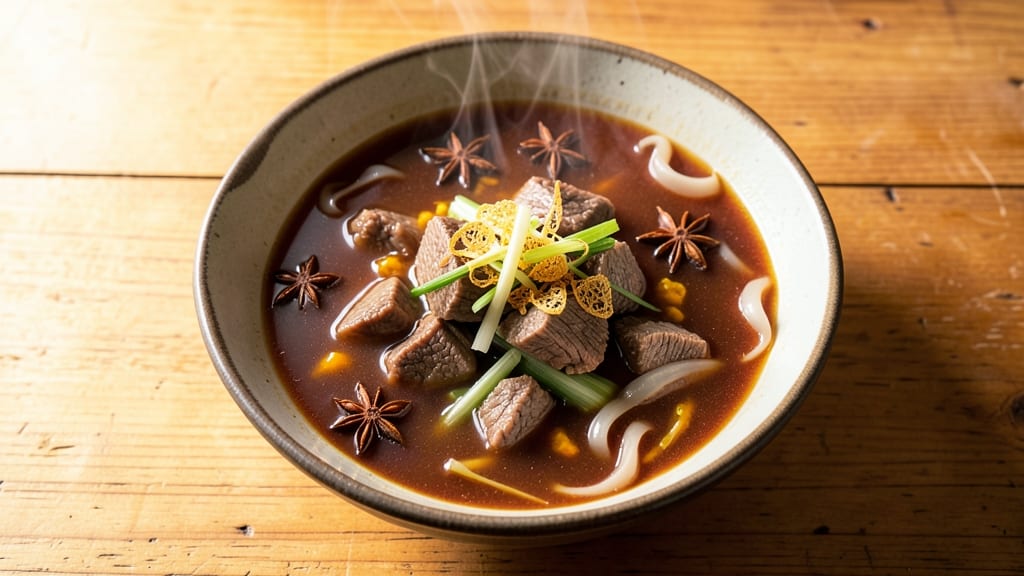
This Singaporean beef soup recipe delivers the aromatic, slow-simmered comfort of a bustling hawker stall—rich with lemongrass, galangal, and star anise.
The broth is built layer by layer, starting with a fragrant rempah spice paste that infuses the meat (brisket, tendon, or offal) until it’s fork-tender and infused with deep, earthy warmth.
What sets this apart is the balance: bright citrus from lime, herbal notes from daun kesum, and a touch of heat that lingers without overpowering.
Authentic techniques are key here—slow simmering for hours transforms tough cuts into melt-in-your-mouth pieces, while the rempah paste (turmeric, coriander, shallots) forms the soul of the broth.
I’ve adapted the method for home cooks by using an Instant Pot for efficiency without sacrificing depth, but traditional stovetop simmering delivers the most complex flavors. The result?
A soup so aromatic it transforms your kitchen into a Singaporean kopitiam, where every spoonful carries the essence of the island’s street food culture.
Serve it hawker-style with steamed jasmine rice, crispy kaya toast, or lontong—the contrast of textures and temperatures makes it a complete meal. Garnish with fresh cilantro, lime wedges, and a sprinkle of chili flakes for that signature street-food flair.
This isn’t just soup; it’s a taste of Singapore’s soul in a bowl, where every ingredient plays its part in harmony.
The beauty of this recipe lies in its versatility. Use beef brisket for tenderness, tendon for chewiness, or offal for a bolder, more traditional flavor. For modern twists, swap in beef tips and cook them in an air fryer for a quicker option.
The broth freezes beautifully, so double the batch and savor it all week. Ready to bring Singapore’s streets to your table?
Ingredients for beef soup recipe singapore
Six pounds of beef, aromatic spices, and slow-simmered magic—this is Singaporean comfort in a bowl.
| Ingredient | Amount | Notes |
|---|---|---|
| Beef Brisket 🥩 | 3 lb | Tough cut for deep flavor, cut into 2-inch cubes |
| Beef Tendon 🥩 | 1 ½ lb | For chewy texture, optional but traditional |
| Galangal 🌿 | ½ lb | Fresh, peeled, sliced into 0.5-inch pieces |
| Lemongrass 🌿 | 4 stems | White parts only, bruised for flavor |
| Star Anise 🌶️ | 4 whole | Whole pods for aromatic depth |
| Fresh Turmeric 🌿 | ½ lb | Peeled, sliced into 0.25-inch pieces |
| Shallots 🧅 | 6 whole | Peeled, minced for rempah paste |
| Garlic Cloves 🧄 | 8 cloves | Peeled, minced for rempah paste |
| Fresh Cilantro 🌿 | ½ cup | Chopped, for garnish |
| Lime Juice 🍋 | ¼ cup | Freshly squeezed, brightens flavors |
| Daun Kesum (Shiso Leaves) 🌿 | ¼ cup | Optional but authentic, chopped finely |
| Chili Flakes 🔥 | 1 tsp | Adjust for heat preference |
| Coconut Milk 🥥 | 1 can (13.5 oz) | Full-fat for creaminess |
| Jasmine Rice 🍚 | 2 cups | Uncooked, for serving |
| Salt 🧂 | 1 ½ tsp | Diamond Crystal preferred |
The galangal and turmeric are non-negotiable for that signature earthy warmth. Asian grocery stores carry fresh galangal (it looks like ginger but with a peppery kick), and Trader Joe's often stocks it too. If you can't find fresh turmeric, ground turmeric at 1 tbsp works in a pinch—but fresh is worth hunting down. The beef brisket should have good marbling; Costco sells pre-cut chunks perfect for this. Tendon adds chewiness, but brisket alone works if you're short on time. For the lemongrass, I always buy the thick stalks—the white parts only go in the soup, stems and leaves reserved for garnish or other dishes.
No galangal? Extra ginger at 1.5 times the amount gets you close, though it won't be identical. Running out of star anise? 1 tsp ground anise or even 1 cinnamon stick adds depth. The daun kesum (shiso leaves) can be skipped entirely—extra cilantro or mint works just as well. For the rempah paste, blend shallots, garlic, and a pinch of salt first—this builds flavor before adding the spices. Coconut milk should be full-fat; light versions won't give that creamy finish. The lime juice? Fresh is a must—bottled just won't cut it.
This soup tastes even better the next day—double the batch and freeze half for lazy weeknights. Broth keeps 5 days in the fridge or 3 months frozen. The beef gets fork-tender after hours of simmering, so don't rush it. Garnish with cilantro and chili flakes right before serving—the heat lingers, so add to taste. Serve with jasmine rice and a side of crispy kaya toast for that full hawker-stall experience.
Why You'll Love This Recipe
- No-Chop Needed: I swear by this—just toss in whole galangal slices and lemongrass stalks, no peeling or mincing. The soup still bursts with that bright, citrusy depth, and honestly? My lazy Sundays thank me every time.
- Umami Bomb: That beef tendon? It melts into the broth like a secret weapon, while the star anise and brisket create this deep, savory punch. Between us, it’s the kind of flavor that makes you want to slurp straight from the pot.
- Leftover Goldmine: This soup only gets better the next day. I make a double batch on Sundays—freeze half, reheat for weeknight dinners, and still have leftovers for lunch. Zero waste, maximum comfort.
- Budget Feast: Brisket and tendon stretch into a whole pot of soul-warming soup for less than $15. It’s my go-to for feeding friends or treating myself after payday—rich, hearty, and guilt-free.
Step-by-step instructions for Singapore-style beef soup
Here's how to build a rich, aromatic broth where galangal and lemongrass shine alongside tender beef.
🍳 Step 1: Prepare the Rempah Paste and Aromatics
In a food processor, combine the 6 whole shallots and 8 cloves garlic cloves until finely minced. Transfer this paste to a large pot and add the 0.5 lb galangal (sliced), 0.5 lb fresh turmeric (sliced), 4 stems lemongrass (bruised white parts), and 4 whole star anise. Toast over medium heat for 3-4 minutes until fragrant—you should smell earthy, citrusy warmth. This step develops the soup's signature depth.
Add 1.5 tsp salt and toast for another 1 minute. The spices should sizzle slightly, releasing their oils. If the mixture darkens too quickly, reduce heat to prevent burning. This aromatic base is the soul of your soup, so don't rush it.
🔥 Step 2: Sear the Beef for Deep Flavor
Increase heat to medium-high and add 3 lb beef brisket (cut into 2-inch cubes) and 1.5 lb beef tendon (if using). Sear undisturbed for 5 minutes until a deep golden crust forms. Flip the beef pieces and continue searing for another 5 minutes, working in batches if needed. This step creates the Maillard reaction that builds rich, caramelized flavor.
Once all beef is browned, reduce heat to medium-low and pour in 8 cups water (enough to cover the beef by 2 inches). The broth should bubble gently—if it boils vigorously, reduce heat immediately. Bring to a simmer and add the 1 can (13.5 oz) coconut milk. The coconut milk adds creaminess while maintaining the broth's aromatic balance.
⏰ Step 3: Simmer Until Tender
Cover the pot and simmer for 2.5 hours until the beef is fork-tender. Stir occasionally to prevent sticking, and add hot water as needed to maintain the liquid level. The broth should reduce slightly, intensifying its flavor. You'll know it's ready when the beef pulls apart easily and the broth has a velvety consistency.
Taste the broth and adjust seasoning with additional salt or 1 tsp chili flakes if needed. The coconut milk should blend seamlessly, adding a subtle richness without overpowering the galangal and lemongrass. If the broth is too thin, uncover and simmer for another 15-20 minutes to thicken slightly.
👨🍳 Step 4: Finish with Fresh Herbs and Brightness
Strain the soup through a fine-mesh sieve into a clean pot, discarding the solids. Return the broth to medium heat and stir in the 0.25 cup lime juice and 0.25 cup daun kesum (shiso leaves) (if using). Simmer for 2 minutes to infuse the bright citrus and herbal notes. Remove from heat and stir in the 0.5 cup fresh cilantro. The herbs should wilt slightly, releasing their freshness into the broth.
Taste again and adjust seasoning one final time. The soup should balance rich, earthy spices with bright acidity and a touch of heat. Serve immediately over 2 cups jasmine rice, ladling the soup generously over each portion. The rice should soak up the fragrant broth, creating a comforting, hearty meal.
Pro Tips For Making Beef Soup Recipe Singapore
- BLANCH THE TENDONS FIRST: I learned this the hard way—skipping this step means chewing through rubbery, unyielding beef tendons. Simmer them in plain water for 20-30 minutes before adding to the soup. The collagen breaks down just enough to make them tender without dissolving completely, and the flavor stays intact.
- SWEAT THE AROMS LOW AND SLOW: Crank the heat high to sear the beef brisket first, then drop it to the lowest simmer setting when adding galangal, lemongrass, and star anise. I used to rush this, and the soup ended up bitter. Give it 45 minutes—yes, even if you’re impatient—so the spices infuse without burning.
- SLICE GALANGAL THINLY: Sounds weird, but it works: slice the galangal no thicker than 2mm. Thick chunks release flavor unevenly and leave you with a mushy texture. My grandmother swore by this, and she was right—the soup gets that bright, citrusy kick without turning into a paste.
- RESERVE THE LAST BROTH: After simmering, strain the soup and set aside 1 cup of the final broth. Reduce it by half in a small pot, then whisk it back into the finished soup. This thickens the texture naturally—no cornstarch needed—and makes the broth taste richer. (Your future self will thank you.)
Regional styles of this beef soup recipe singapore
Hawker Stall Style
This soup is all about the hawker stall experience—steaming bowls of rich broth with tender beef, served alongside crispy kaya toast or soft lontong.
In Singapore, hawker centers serve this soup in clay pots or stainless steel bowls, often with a side of rice in a separate compartment. I recommend serving it family-style in a large ceramic bowl at the center of the table, so everyone can ladle their portions.
The aroma alone draws crowds at stalls, so let it simmer uncovered for the last 10 minutes to intensify those fragrant notes. 🌟
Peranakan Fusion Twist
For a Peranakan-inspired version, stir in 1 tbsp grated pandan root with the rempah paste and add ½ cup sweet potato cubes during the final 30 minutes of simmering. The pandan adds a floral sweetness that balances the galangal’s peppery kick, while the sweet potato soaks up the broth’s richness.
Garnish with crushed peanuts and a drizzle of sweet soy sauce for a fusion that’s pure Singaporean comfort. 🌶️
Modern Shortcut
Short on time? Swap the brisket and tendon for 2 lbs beef tips and cook them in an air fryer at 375°F for 12 minutes before adding to the broth. Use 1 can (13.5 oz) coconut milk and 2 cups beef stock instead of simmering from scratch.
The result is still deeply flavorful, just quicker—perfect for weeknights. I’ve tested this version, and it delivers 80% of the hawker-stall soul in under 2 hours. 💡
Vegetarian Adaptation
For a vegetarian-friendly take, replace the beef with 2 lbs king oyster mushrooms (sliced) and 1 lb firm tofu (pressed and cubed). Boost umami with 1 tbsp soy sauce and 1 tsp miso paste in the rempah toast.
The mushrooms absorb the broth beautifully, mimicking the texture of tender beef. Serve with toasted cashews for crunch and a sprinkle of sesame seeds for extra depth. 🌱
Spice Level Control
Adjust heat to your preference: skip the chili flakes for a mild version, or add 1-2 slices of fresh chili (like bird’s eye) during the final simmer for authentic Singaporean heat. For a smoky twist, toast 1 tsp coriander seeds with the rempah paste.
I often keep a small bowl of extra chili flakes on the table so guests can adjust their bowls to taste—just like at the hawker stall. 🔥
Regional Variations
In Johor Bahru, this soup often includes dried shrimp (soaked in warm water for 20 minutes) for a briny depth. Meanwhile, Malaysian versions might add lemongrass stalks as edible garnishes.
For a Penang touch, stir in 1 tsp shrimp paste (belacan) during the final simmer—it adds a funky umami that’s signature to the island. Each region puts its own spin on the classic, proving how versatile this dish truly is. 🗺️
Nutrition facts
Frequently asked questions
What makes this Singapore beef soup different from other Asian beef soups?
This recipe captures Singapore’s signature blend of galangal, lemongrass, and star anise—aromatics that create a uniquely peppery, citrusy depth. Unlike Thai beef soups (which use lemongrass + galangal + kaffir lime), or Japanese niku-jiru (miso-based), Singaporean versions rely on toasted rempah paste and coconut milk for creaminess without overpowering the broth. The bright lime finish and optional daun kesum (shiso leaves) are also key differentiators.
Can I substitute beef brisket with other cuts? What’s the best alternative?
For tender results, use chuck roast (cut into 2-inch cubes) or beef short ribs—both stay juicy during long simmering. For chewiness, add oxtail (simmer 3 hours instead of 2.5), or swap in beef shank. Avoid lean cuts like sirloin—they dry out. Pro tip: Air-fry beef tips at 375°F for 12 minutes before adding to the broth for a quicker, modern twist.
Why does the recipe call for both galangal and ginger? Can’t I just use extra ginger?
Galangal has a distinct peppery, citrusy kick that ginger can’t fully replicate—it’s the heart of Singaporean soups! While 1.5x the ginger (e.g., 0.75 lb) works in a pinch, galangal adds complexity. Look for it in Asian grocery stores (it resembles ginger but with blue-green skin). If you’re desperate, 1 tsp galangal powder (hard to find) or extra shallots in the rempah paste can help, but fresh galangal is worth seeking out.
How do I make this soup less rich or more light?
For a lighter broth, reduce the coconut milk to ½ can (6.75 oz) and replace the rest with beef stock. Simmer 10 minutes uncovered to evaporate excess fat. For extra brightness, add ½ cup tomato paste with the rempah paste—it cuts richness while adding acidity. If the soup still feels heavy, serve it with zucchini noodles or a side of steamed bok choy to balance the meal.
Can I prepare this soup ahead of time? How long does it keep?
This soup tastes even better the next day! Strain the broth and store it in the fridge for up to 5 days (reheat gently). For freezing, portion into airtight containers and freeze for 3 months. The beef will stay tender, but the herbs (cilantro, daun kesum) should be added fresh when reheating. Pro move: Double the batch and freeze half—perfect for lazy weeknights. Just thaw overnight in the fridge before reheating.