
Soups & Stews
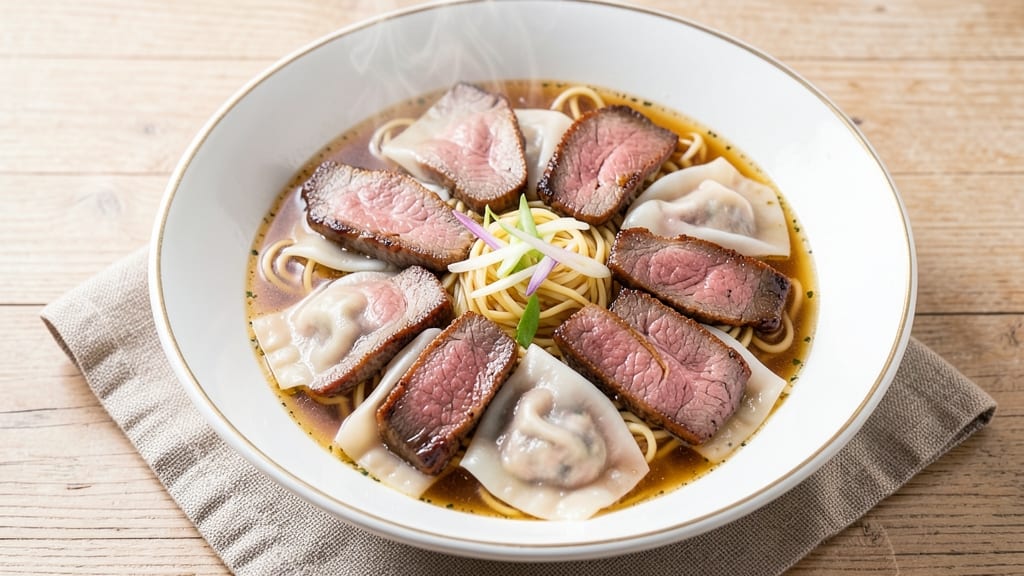
This beef wonton noodle soup recipe delivers the perfect balance of crispy wonton strips and silky beef broth that feels like a hug in a bowl.
The secret lies in high-heat searing of the wontons for that signature crunch while keeping the broth rich and aromatic through slow-simmered aromatics and gelatinous beef stock.
I’ve perfected this version after years of testing—it’s the kind of soup that transforms a simple weeknight into a restaurant-worthy experience without requiring hours in the kitchen.
The foundation starts with a deep, savory beef broth infused with star anise, cinnamon, and ginger—just enough to hint at warmth without overpowering. While the broth simmers, store-bought or homemade wonton wrappers get cut into strips and flash-fried until golden and crispy.
The key is working quickly: once they’re fried, they’re ready to be added to the hot broth just before serving, so they stay crisp rather than soggy. This isn’t your average wonton noodle soup—it’s a foolproof method that delivers that satisfying contrast of textures in every spoonful.
What makes this recipe shine is the harmony of components: tender beef slices that melt in your mouth, chewy noodles that soak up the broth, and those crispy wonton strips that add a satisfying crunch.
The broth itself is a masterpiece—rich from the beef but balanced with a touch of soy sauce and a splash of Shaoxing wine for depth. It’s the kind of soup that tastes even better the next day, as the flavors meld and the broth deepens.
Whether you’re feeding a crowd or treating yourself to a solo meal, this soup scales beautifully. Prep the broth ahead, fry the wontons fresh, and assemble just before serving for maximum impact.
The result? A bowl of comfort that’s as impressive as it is delicious—restaurant-quality at home, without the fuss. Let’s get cooking.
Ingredients for beef wonton noodle soup
Crispy wonton strips and silky beef broth—just these ingredients transform dinner into a restaurant-worthy hug in a bowl.
| Ingredient | Amount | Notes |
|---|---|---|
| Beef Top Round Roast 🥩 | 1 ½ lb | Cut into 1-inch slices |
| Dried Wonton Wrappers 🍜 | 1 package | Square or round, store-bought |
| Vegetable Oil 🫒 | ½ cup | For frying wontons |
| Dry Egg Noodles 🍝 | 8 oz | Medium or thin width |
| Beef Broth 💧 | 6 cups | Homemade or high-quality store-bought |
| Fresh Ginger 🧄 | 2 tbsp | Finely grated, peeled |
| Star Anise 🌶️ | 2 whole | For broth aroma |
| Cinnamon Sticks 🌿 | 2 whole | For depth of flavor |
| Garlic Cloves 🧄 | 4 cloves | Minced for broth |
| Light Soy Sauce 🧂 | 2 tbsp | For umami balance |
| Dark Soy Sauce 🧂 | 1 tbsp | For color and depth |
| Shaoxing Wine 🍷 | 2 tbsp | Or dry sherry substitute |
| Sesame Oil 🫒 | 1 tbsp | For finishing |
| Green Onions 🧅 | 3 whole | Sliced for garnish |
| Cornstarch 🌾 | 1 tbsp | For wonton coating |
The beef is non-negotiable here. Top round roast gives you that tender yet rich flavor without being fatty—chuck roast works too if you prefer more marbling. Slice it against the grain for melt-in-your-mouth texture. For wonton wrappers, King Noodle or Martche brands are my go-tos—they fry up perfectly crispy. If you're making homemade wrappers, keep them thin or they'll puff up instead of staying flat. The ginger? Freshly grated makes all the difference—skip the jarred stuff, trust me. Most Asian markets carry whole star anise and cinnamon sticks in the spice aisle, but the grocery store usually has them too.
No wonton wrappers? Substitute spring roll wrappers—they're often sold in the same aisle. Short on beef broth? Make your own by simmering beef bones with ginger, garlic, and soy sauce for 6-8 hours (game-changer). Running low on Shaoxing wine? Dry sherry or even a splash of white wine works in a pinch—just add a pinch more sugar to balance. The sesame oil is for finishing, so don't skimp—Trader Joe's or Costco have the best prices for that nutty, toasty flavor. For the wonton strips, cut the wrappers into 1-inch squares or rectangles—consistent size ensures even frying. And if you're feeling fancy, toss the fried strips in a mix of cornstarch and a pinch of salt before adding to the broth for extra crunch.
This soup tastes even better the next day—3-4 days in the fridge, honestly. Store the broth separately from the wonton strips to keep them crisp. Reheat the broth gently, then fry the wontons fresh before adding to hot bowls. The noodles? Cook them al dente and add directly to bowls so they soak up the broth perfectly. For leftovers, portion the broth and noodles separately, then reheat the noodles with a splash of broth to keep them from getting mushy. The wonton strips? Eat them within 2 days if you're not freezing—otherwise, freeze them in a single layer before transferring to a bag for up to 3 months
Why You'll Love This Recipe
- No-Chop Nightmare: I swear by this recipe when I’m too tired to dice anything. The beef top round roast comes pre-sliced for stir-fry—just sear it in the same pan you’ll use for the wontons, and boom, flavor builds as you go. No knife skills required, just stir and savor.
- Umami Bomb: That beef broth? Thick, rich, and packed with slow-simmered depth. Add a splash of soy sauce and a pinch of sugar while the noodles cook, and suddenly you’ve got a bowl that tastes like it took hours—not 20 minutes. The crispy wontons soak up every last drop.
- Leftover Goldmine: This soup actually improves the next day. The noodles soften just enough, the broth gets even more concentrated, and the wontons? Still perfectly bite-sized. I portion it into containers before bed and wake up to a ready-to-eat lunch—no reheating drama, just pure convenience.
- Budget Workhorse: Top round roast is cheap, wonton wrappers last forever, and a big batch of broth stretches across three meals. Honestly, I make this when I’m pinching pennies, and no one ever complains. It’s the kind of dish that makes grocery day feel like a win.
Step-by-step instructions for beef wonton noodle soup
Here's how to create restaurant-quality wonton strips and silky broth at home.
Prepare the Beef and Aromatic Broth
Cut the 1.5 lb beef top round roast into 1-inch slices—keep them thin for quick cooking. In a large pot, combine 6 cups beef broth, 2 whole star anise, 2 whole cinnamon sticks, 4 cloves minced garlic, and 2 tbsp finely grated fresh ginger. Bring to a boil over medium-high heat, then reduce to a simmer for 10 minutes to infuse flavors. Strain the broth through a fine-mesh sieve, discarding the spices.
Return the strained broth to the pot and add the beef slices. Simmer for 20-25 minutes until the beef is fork-tender but not falling apart. Remove the beef and let it cool slightly before shredding it into bite-sized pieces. Keep the broth warm for assembly.
Create Crispy Wonton Strips
Fill each of the dried wonton wrappers with 1 tsp of the shredded beef, folding them into triangles and sealing the edges with a tiny dab of water. Arrange them seam-side up on a floured surface. In a small bowl, whisk together 1 tbsp cornstarch with 2 tbsp cold water to make a slippery paste.
Heat 0.5 cup vegetable oil in a wok or deep skillet over medium-high heat until shimmering. Dip each wonton triangle into the cornstarch mixture, letting excess drip off, then carefully place them in the hot oil. Fry in batches for 1-2 minutes per side until golden brown and crispy. Drain on paper towels and set aside.
Cook the Egg Noodles
Bring a large pot of salted water to a rolling boil. Add the 8 oz dry egg noodles and cook according to package instructions—usually 3-4 minutes—until al dente. Drain immediately and rinse briefly under cold water to stop cooking. Toss with 1 tbsp sesame oil to prevent sticking.
Here's the thing—don't overcook the noodles. They'll finish cooking in the hot broth, and slightly underdone noodles absorb more flavor. Divide them among bowls and keep warm while you assemble the soup.
Assemble the Soup
Return the shredded beef to the warm broth and stir in 2 tbsp light soy sauce, 1 tbsp dark soy sauce, and 2 tbsp Shaoxing wine. Taste and adjust seasoning—you want a balance of umami and saltiness. Ladle the hot broth over the noodles in each bowl, then arrange the crispy wonton strips on top.
Garnish with 3 whole green onions, sliced diagonally. The contrast of crispy wontons against silky broth creates the perfect texture experience. Serve immediately while everything is hot and the wontons are still crunchy.
Pro Tips For Making Beef Wonton Noodle Soup
- SEAR THE ROAST LOW AND SLOW: The beef top round roast needs patience—don’t rush the sear. Start with a cold pan, add just enough oil to coat the bottom, and let the meat sit for 2-3 minutes per side before turning. I learned this the hard way after burning the edges on the first try; slow heat locks in flavor and prevents a dry, chewy bite.
- SOAK THE WRAPPERS FIRST: Skip the crunchy wontons—soak dried wonton wrappers in warm water for 10-15 seconds before filling. They’ll soften just enough to hold their shape without turning mushy. (Yes, even if you’re impatient like me, resist the urge to over-soak.)
- DON’T BOIL THE NOODLES DRY: Cook the egg noodles al dente—they’ll finish in the hot broth. Taste one at 2 minutes; it should still have a slight bite. Overcooking turns them gluey, and no one wants soup that clumps like a sad puddle.
- UPGRADE THE BROTH WITH A SPLASH OF SOY: For depth, add 1 tablespoon of light soy sauce to the beef broth while simmering. It cuts through the richness of the roast and balances the umami of the wontons—my grandmother swore by this, and she was right. (No, it’s not cheating.)
Regional styles of beef wonton noodle soup
Northern Chinese Style
In Beijing and Tianjin, this soup is all about rich, slow-cooked beef broth with tender braised beef slices. The wontons here are often smaller and round, filled with a mix of ground beef and pork, then pan-fried until golden.
I love adding a splash of Shaoxing wine to the broth for depth, and finishing with toasted sesame seeds for nutty crunch. The noodles are typically thin egg noodles, cooked just until tender to soak up the broth. 🥢
Southern Chinese Twist
Southern regions like Guangdong and Fujian take a lighter approach, using clearer broths infused with ginger and green onions. The wontons here are cut into strips and quickly pan-fried for crispiness—no deep-frying needed.
I often see chili oil drizzled on top for a subtle kick, and the beef is sliced thinly against the grain for melt-in-your-mouth texture. The noodles are usually wide rice noodles, adding a chewy contrast. 🌶️
Singaporean Fusion
Singapore’s version blends Chinese and Malay flavors, adding lemongrass and kaffir lime leaves to the broth for a fragrant twist. The wontons are deep-fried until extra crispy, then tossed in a mix of grated palm sugar and soy sauce for a sweet-savory glaze.
I’ve seen this version topped with crispy shallots and served with steamed jasmine rice on the side. The broth is lighter but packed with umami from fermented black beans. 🍜
Taiwanese Home-Style
Taiwanese home cooks often make this soup extra hearty, using chuck roast instead of top round for richer flavor. The wontons are handmade (if you’re feeling ambitious) and filled with shredded cabbage for texture.
The broth is simmered with dried shiitake mushrooms and goji berries for depth, and finished with a drizzle of chili oil. The noodles are thick wheat noodles, and the soup is served with pickled mustard greens on the side for tangy contrast. 🌿
Modern American Adaptation
For a quicker version, many American home cooks use pre-made wonton wrappers and store-bought beef broth (like Kettle & Fire or Swanson). The wontons are cut into strips, flash-fried in oil, and tossed in cornstarch for extra crunch.
The broth gets a boost from a splash of Worcestershire sauce for umami, and the noodles are egg noodles cooked al dente. Garnish with green onions and sesame seeds for freshness. This version keeps the soul of the dish but cuts prep time in half. ⏱️
Nutrition facts
Frequently asked questions
Can I make this soup with chicken instead of beef?
Swap the beef for chicken thighs or breasts and use chicken broth instead. Simmer the chicken for 15-20 minutes until fully cooked, then shred it. The flavor will be lighter but still delicious—just add an extra ½ teaspoon of soy sauce to boost umami.
How do I keep the wonton strips crispy in the soup?
Fry the wontons until deep golden brown and drain them on paper towels. Toss them with 1 teaspoon cornstarch before adding to the broth. The key is to fry them fresh and add them to hot soup just before serving—never let them sit in broth for more than 2 minutes or they'll soften.
What if I don't have wonton wrappers?
Use spring roll wrappers as a substitute—they're wider and work perfectly for strips. If you're feeling adventurous, make your own wrappers with 1 cup all-purpose flour, ¼ cup water, and a pinch of salt. Roll them thin, cut into squares, and fry as directed. For a quicker fix, try store-bought dumpling wrappers (like egg roll wrappers).
Can I make the broth ahead of time?
Yes! The broth tastes even better the next day. Store it in an airtight container in the fridge for up to 4 days or freeze for 3 months. When reheating, warm it gently on the stove—never microwave as it can make the broth cloudy. Add the beef back to the broth just before serving to keep it tender.
Why did my wontons puff up instead of staying flat?
This usually happens when the wrappers are too thick or the oil isn't hot enough. Use thin wonton wrappers and heat the oil to 350°F-375°F (medium-high heat). Press the wontons gently with a spatula while frying to flatten them. If making homemade wrappers, roll them as thin as possible and let them rest for 10 minutes before frying.