
Soups & Stews
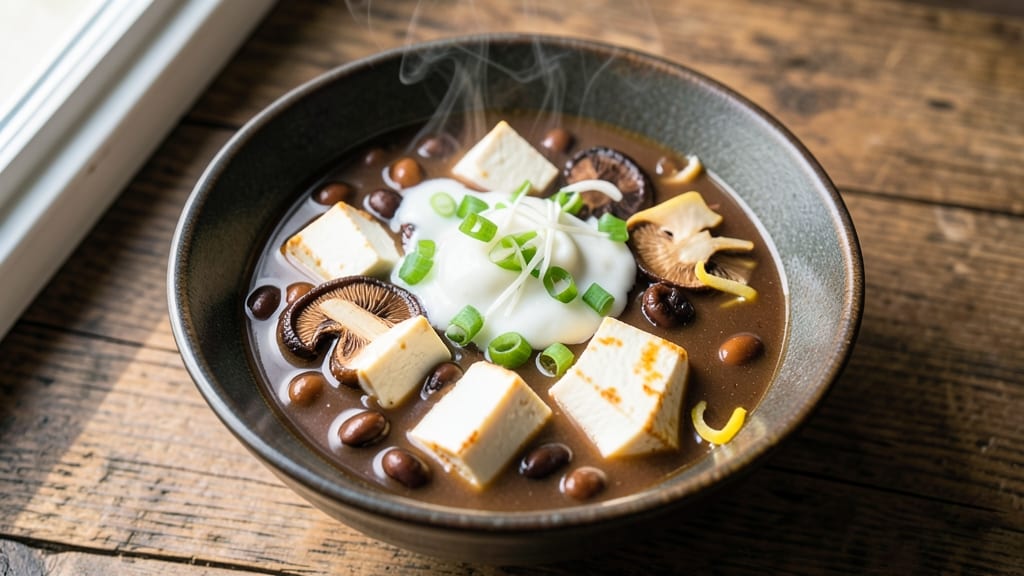
This black soybean soup recipe delivers earthy, nutty depth that transforms simple ingredients into a velvety, umami-rich bowl. The key lies in properly soaking the black soybeans—overnight—to soften their dense texture while preserving their signature deep flavor.
What makes this dish special is how the beans' natural sweetness melds with silky tofu ribbons and aromatic mushrooms during a long, gentle simmer. For maximum flavor, I recommend using dried shiitake mushrooms and a touch of miso paste, which deepens the broth's complexity without overpowering the beans' unique taste.
The result is a rich, velvety soup that balances hearty texture with delicate umami notes—perfect for chilly evenings or as a comforting vegan main. What you'll love most is how the tofu ribbons absorb the soup's flavors while maintaining their tender structure.
Garnish with green onions and sesame seeds for freshness and crunch, creating a dish that's both restaurant-worthy and effortlessly homemade. This recipe works equally well as a light lunch or dinner, and the leftovers actually improve overnight as the flavors meld further. Let's make this nourishing soup!
Ingredients for black soybean soup
Earthy black soybeans, silky tofu ribbons, and aromatic mushrooms create this umami-rich vegan soup.
| Ingredient | Amount | Notes |
|---|---|---|
| Black Soybeans 🌱 | 1 cup | Dried, soaked overnight |
| Firm Tofu 🍲 | 1 block | Extra-firm, pressed well |
| Dried Shiitake Mushrooms 🍄 | ½ cup | Rehydrated in hot water |
| White Miso Paste 🧈 | 2 tbsp | High-quality, fermented |
| Fresh Ginger 🧄 | 1 inch | Peeled, sliced thinly |
| Green Onions 🧅 | 3 whole | Sliced, for garnish |
| Sesame Seeds 🌿 | 1 tbsp | Toasted lightly |
| Vegetable Broth 💧 | 4 cups | Low-sodium preferred |
| Sesame Oil 🫒 | 1 tbsp | For finishing |
| Garlic Cloves 🧄 | 3 cloves | Minced finely |
| Dried Shiitake Mushroom Broth 🍄 | 1 tbsp | Optional for depth |
| Sea Salt 🧂 | 1 tsp | Adjust to taste |
| White Rice Vinegar 🍶 | 1 tbsp | Balances flavors |
The black soybeans are the heart of this dish. Look for them at Asian markets—they’re often sold in bulk and have that signature deep purple-black color. If you can’t find them, black lentils work in a pinch, though the texture will differ slightly. Soaking overnight is non-negotiable; it softens the beans while preserving their nutty depth. Dried shiitake mushrooms add another layer of umami—rehydrate them in hot water for 20 minutes before using, reserving the soaking liquid for extra broth depth. The miso paste should be high-quality, fermented white miso for that authentic, savory punch.
No dried shiitake mushrooms? White button mushrooms work, but they won’t deliver the same earthy complexity. Fresh ginger is ideal, but powdered ginger at half the amount will suffice if you’re short on time. For the tofu, extra-firm is a must—it holds its shape better when sliced into ribbons. If you’re feeling adventurous, try freezing the tofu first, then slicing it thinly for an even silkier texture. The vegetable broth can be homemade or store-bought, but low-sodium is key—you’ll be adding plenty of salt later. And if you’re using dried shiitake broth, simmer it into the broth early to fully infuse the flavors.
This soup tastes even better the next day as the flavors meld. Store leftovers in an airtight container in the fridge for up to 4 days. For freezing, portion into individual containers—it reheats beautifully, though the tofu ribbons may soften slightly. Garnish with green onions and sesame seeds just before serving to keep everything vibrant. The sesame oil should be added at the very end to preserve its nutty aroma, and the white rice vinegar brightens the dish without overpowering the umami. If you’re making a big batch, double the ingredients and freeze half for later—it’s that good.
Why You'll Love This Recipe
- No-Soak Required: The black soybeans here don’t need pre-soaking—just a quick rinse and simmer. Honestly, that’s a game-changer when I’m too tired to plan ahead but still want something hearty.
- Umami Bomb: That white miso paste and dried shiitake mushrooms? They’re the secret weapons. The soup develops this deep, savory richness that makes you forget it’s actually good for you.
- Meal Prep MVP: This keeps beautifully for days—reheat it, and the tofu soaks up even more flavor. Between us, I’ve had it cold the next morning with rice, and it was still spot-on.
- Pantry Staple Power: Dried shiitake, black soybeans, miso—these ingredients won’t break the bank. I’ll be real: it’s the kind of dish that makes me feel like I’m eating fancy, even when I’m just using what’s already in the cupboard.
Step-by-step instructions for black soybean soup
This method transforms simple ingredients into a velvety, umami-rich soup where earthy black soybeans meet delicate tofu ribbons.
👨🍳 Step 1: Prepare the Base Ingredients
Begin by soaking the 1 cup black soybeans in plenty of cold water overnight—this ensures they soften properly and infuse the broth with their distinctive nutty flavor. In the morning, drain and rinse them thoroughly before transferring to a large pot with the 4 cups vegetable broth. Add the 1 tbsp dried shiitake mushroom broth (if using) and bring to a boil over medium-high heat. Reduce to a simmer and cook for 45-60 minutes until the beans are tender but not mushy. You'll know they're ready when they hold their shape but are easily pierced with a fork.
While the beans simmer, prepare the 1 block firm tofu by pressing it between paper towels for 20 minutes to remove excess moisture. Cut it into long, thin ribbons—this creates the signature silky texture. For the mushrooms, rehydrate the 0.5 cup dried shiitake mushrooms in hot water for 20 minutes, then slice them into thin strips. Peel and slice the 1 inch fresh ginger into thin coins, and mince the 3 cloves garlic cloves finely. These aromatics will form the flavor foundation of your soup.
🍳 Step 2: Build the Flavor Layers
Once the black soybeans are tender, add the sliced shiitake mushrooms, ginger, and minced garlic to the pot. Stir well and simmer for 10-12 minutes until the mushrooms soften and the aromatics meld into the broth. This step is where the soup's depth develops—don't rush it. The mushrooms should release their meaty texture, and the ginger should perfume the broth without becoming bitter.
In a small bowl, dissolve the 2 tbsp white miso paste in ¼ cup of the hot broth from the pot. This creates a smooth paste that won't clump. Slowly whisk this miso mixture back into the pot while simmering on low heat. The miso adds a fermented richness that balances the earthiness of the black soybeans. Add the 1 tsp sea salt and taste—adjust seasoning if needed, remembering that the tofu and vinegar will contribute additional flavor later.
🥘 Step 3: Finish and Serve with Precision
Gently add the pressed tofu ribbons to the pot and simmer for just 3-4 minutes—enough to warm through without breaking them apart. Remove from heat and stir in the 1 tbsp white rice vinegar, which brightens the soup's flavors and cuts through the richness. The acidity should be subtle but noticeable, balancing the umami and earthy notes.
For serving, ladle the soup into bowls and garnish each portion with 1 teaspoon toasted sesame seeds and ½ of a sliced green onion. The sesame seeds add a nutty crunch, while the green onions provide a fresh contrast. Drizzle with 1 teaspoon sesame oil just before eating—this final touch enhances the aroma and adds another layer of complexity. Serve immediately while the tofu is still silky and the broth is steaming hot.
⏰ Step 4: Optional Refinement for Depth
For an even more sophisticated version, strain the finished soup through a fine-mesh sieve to remove any remaining solids, then return the broth to the pot. Simmer this clarified broth for 5 minutes to concentrate the flavors further. This step isn't necessary but elevates the soup from hearty to refined. If you choose this method, be sure to return the tofu ribbons to the broth just before serving so they absorb the intensified flavors.
The result should be a harmonious blend where each ingredient contributes its unique character—the nutty depth of black soybeans, the umami punch of miso, the delicate silkiness of tofu, and the bright finish of vinegar and sesame. The soup's texture should be velvety yet substantial, with each bite offering a satisfying contrast between the tender tofu and the robust broth.
Pro Tips For Making Black Soybean Soup
- SOAK SHIITAKES FIRST: I learned this the hard way—dried shiitakes straight from the package taste like cardboard. Soak them in hot water (not boiling) for 15 minutes before adding to the pot. The mushrooms will plump up and release their umami punch into the broth, not just sit there looking sad.
- PRESS TOFU HARDER: Firm tofu still holds water unless you work it. Wrap it in a clean towel, place a heavy pan on top, and let it sit for 10 minutes. This guarantees crisp edges when fried later—no soggy cubes ruining your soup.
- STIR MISO LAST: White miso paste is delicate. If you add it too early, it’ll cook down into a pastey blob instead of dissolving smoothly. Turn off the heat, give the broth a quick stir, then whisk in the miso until it melts—just like your grandmother taught you.
- DON’T SKIP GINGER ZEST: Sounds weird, but it works: grate the ginger with the peel (just wash it first). The zest adds a bright, floral note that cuts through the earthiness of black soybeans. Skip it, and the soup tastes flat—trust me, I’ve done both.
Creative variations of this dish
Spicy Korean Twist
Transform this soup into a fiery Korean-inspired version by adding 1 tbsp gochujang (Korean chili paste) and ½ tsp gochugaru (Korean chili flakes) when simmering the black soybeans. For extra heat, stir in 1 tsp doenjang (fermented soybean paste) along with the miso.
Garnish with thinly sliced Korean radish (mu) and sesame seeds for a bold, spicy kick that pairs perfectly with the earthy beans. 🌶️
Japanese Miso Upgrade
Elevate the umami with a Japanese-inspired approach by using red miso paste instead of white for a deeper, slightly sweeter flavor. Add 1 tbsp dashi powder to the broth for a classic Japanese depth, and finish with a drizzle of yuzu kosho (citrus chili paste) for a bright, spicy contrast.
Serve with steamed rice and a side of pickled ginger for an authentic pairing. 🍜
Thai-Inspired Coconut Version
Give this soup a tropical twist by blending ½ cup coconut milk into the finished broth for a creamy texture.
Add 1 tsp galangal (or ginger) and 1 stalk lemongrass (bruised) while simmering, and finish with 1 tbsp fish sauce (or soy sauce for vegan) and 1 tsp lime juice.
Garnish with cilantro and crushed peanuts for a fragrant, aromatic bowl that feels like a vacation in every spoonful. 🌴
Smoky BBQ Adaptation
For a smoky, hearty variation, stir in ½ cup BBQ sauce (like Sweet Baby Ray's) during the final simmer and top with crumbled bacon (or vegan bacon) and diced jalapeños.
The sweet-savory BBQ complements the beans' earthiness while adding a smoky depth. Serve with cornbread or crusty bread to soak up the rich broth. 🔥
Winter Comfort Version
Warm up winter meals by adding ½ cup diced sweet potatoes and ½ cup chopped kale to the pot during the final 10 minutes of simmering. The sweet potatoes add natural sweetness, while the kale brings a touch of bitterness to balance the richness.
Top with toasted pumpkin seeds for extra crunch and a seasonal touch. ❄️
Lighter Summer Bowl
Turn this into a refreshing summer soup by blending half the finished broth with ½ cup coconut water for a lighter texture. Serve chilled or at room temperature, garnished with mint leaves, sliced cucumber, and lime wedges.
The bright, cooling elements make this perfect for hot days while keeping all the umami depth intact. 🌞
Nutrition facts
Frequently asked questions
Why do I need to soak black soybeans overnight?
Overnight soaking is essential to soften the beans' dense texture while preserving their nutty flavor. The long soak prevents them from becoming mushy during cooking and ensures the broth absorbs their rich, earthy essence. Skipping this step results in a gritty texture and underdeveloped flavor.
Can I substitute black soybeans with regular soybeans?
No, black soybeans have a distinct, nutty flavor that regular soybeans lack. However, you can use black lentils as a substitute—they provide a similar earthy taste, though the texture will differ slightly. For the best results, stick with black soybeans if possible.
How do I make the tofu ribbons silky instead of rubbery?
Use extra-firm tofu and press it thoroughly for 20 minutes before slicing. For extra silkiness, freeze the tofu first, then slice it thinly—this creates delicate ribbons that melt in your mouth. Add the tofu to the simmering broth only 3-4 minutes before serving to prevent overcooking.
What’s the best way to store leftovers?
Store leftovers in an airtight container in the fridge for up to 4 days. The flavors actually improve overnight! For freezing, portion the soup into individual containers—reheat gently on the stove, stirring occasionally, to maintain the tofu’s texture. The broth may thicken slightly when reheated, so add a splash of water if needed.
Can I make this soup spicier?
Add ½ tsp red pepper flakes or 1 tsp gochujang while simmering the beans. For a smoky kick, stir in ½ tsp smoked paprika during the final minutes. Garnish with sliced jalapeños or chili oil for extra heat. Adjust to taste—this soup is versatile for spice lovers!